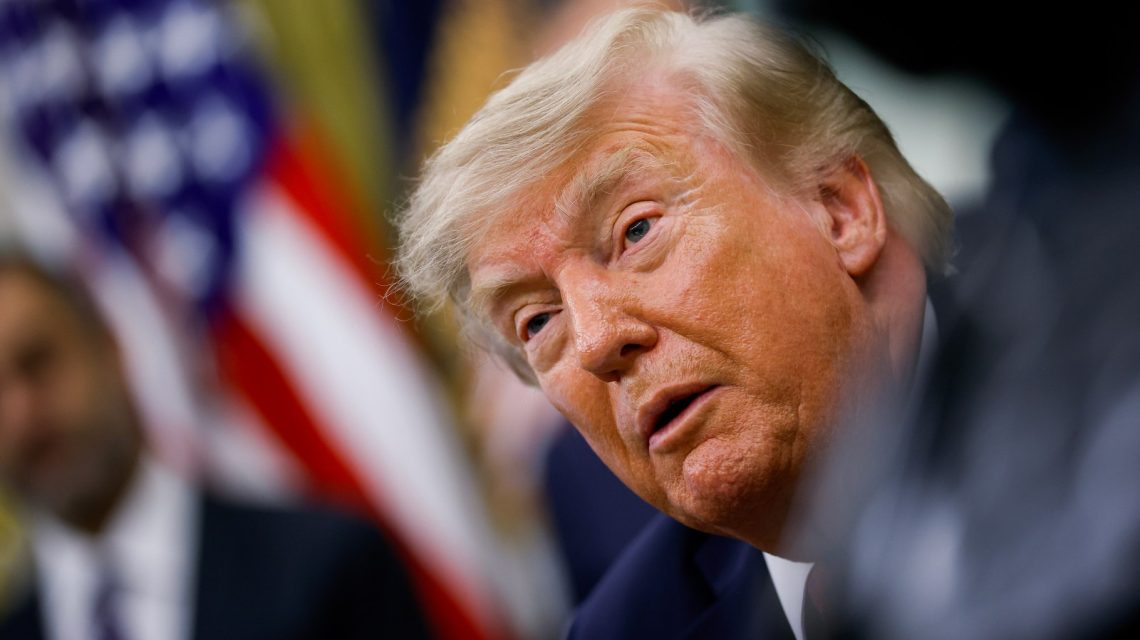
A federal judge has blocked the Trump administration’s latest attempt to limit birthright citizenship. The decision prevents the White House from denying citizenship to children whose status has already been clarified by the Supreme Court.
Judge’s Ruling and Implications
U.S. District Judge Deborah Boardman ruled against the administration’s new executive order. The order conflicted with a recent Supreme Court decision affirming that children born in the U.S. to non-citizen parents enjoy protection under the Fourteenth Amendment’s Citizenship Clause. Boardman stated, “The Supreme Court has spoken: Children in the certified class are ‘citizens at birth.'”
As a result, Judge Boardman issued a preliminary injunction against the order. This decision affects federal agencies such as the State Department, Department of Homeland Security, and Social Security Administration, restricting them from applying the new policy to the involved children while the case is ongoing.
When I joined this lawsuit, I was two months pregnant and terrified that the government would refuse to recognize my baby as a citizen simply because we are an immigrant family,” said Juana, a member of We Are CASA and a class representative. “I am grateful that we came together and that the courts continue to uphold our children’s rights.
Background on Trump’s Policy
This ruling adds to the lengthy legal battle over attempts by Trump to curb birthright citizenship. In his previous term, he argued that the practice promoted illegal immigration. He proposed ending it through executive orders but didn’t implement any changes before leaving office in January 2021.
After returning to office in January 2025, Trump signed Executive Order 14160, titled “Protecting the Meaning and Value of American Citizenship.” The order attempted to deny citizenship to many children born in the U.S. whose parents lacked permanent legal status. This policy led to lawsuits, including the Maryland case by CASA and the Asylum Seeker Advocacy Project.
The Biden administration’s order argued a specific target of children outside constitutional protection, but Boardman anticipated the plaintiffs would show it unconstitutional for the affected class. She noted a Supreme Court decision in Trump v. Barbara establishing these children as citizens, limiting the administration’s ability to reinterpret the law through an executive order.
Supreme Court’s Standpoint
Boardman’s decision relies on the Supreme Court’s recent ruling in Trump v. Barbara. This case dealt with a 2025 executive order aiming to remove citizenship from certain U.S.-born children. The court affirmed that children born to parents unlawfully or temporarily in the country are citizens by birth as per the Citizenship Clause, dismissing the historic exceptions relatively narrowly defined in American law.
Constitutional Context
The dispute hinges on the interpretation of the Fourteenth Amendment, enacted in 1868, stating, “All persons born or naturalized in the United States, and subject to the jurisdiction thereof, are citizens of the United States and of the State wherein they reside.” Boardman’s opinion echoed the Supreme Court’s ties to the jus soli principle and acknowledged landmark cases like United States v. Wong Kim Ark, supporting citizenship by birth regardless of parents’ status.
Future Legal Developments
The injunction is active, preserving citizenship for children in the lawsuit as legal proceedings continue. Federal agencies must not enforce the 2026 executive order against these individuals. Although not all aspects of the order are blocked, the Justice Department is likely to appeal.
This case may challenge the administration’s restructuring efforts regarding birthright citizenship and potentially bring matters back to the Supreme Court. Boardman’s ruling underscores that the lower courts and the president are bound by the Supreme Court’s recent decisions.
Contact Newsweek editors on this story: Gray R. Thomas.
 A Mother’s Tragic Journey Under Abortion Ban
  U.S. Strategic Goals Remain Unmet Amid Prolonged Conflict
  The Impact of Arts and Closure on Democracy
  U.S. Ambassador Comments on Iran War Duration Amid Political Concerns
  US-China Relations Under Scrutiny: Expert Warns of Escalating Tensions
  No Timeline for End of Iran Conflict