Introduction
One year after Hurricane Helene wreaked havoc in North Carolina, many residents are still grappling with the aftermath. Thousands sought aid from the Federal Emergency Management Agency (FEMA), with varying levels of success. Reports highlight income disparities in FEMA’s distribution of housing assistance, shedding light on the challenges faced by lower-income households.
Disparities in FEMA Aid Allocation
Analysis shows homeowners with higher incomes in North Carolina counties received substantially more FEMA housing assistance than their lower-income counterparts. For instance, wealthier individuals obtained two to three times more support in some areas. Despite FEMA’s policy stating aid should be equal regardless of income, disparities persist, raising concerns about the equity of disaster aid distribution.
The Hills’ Story
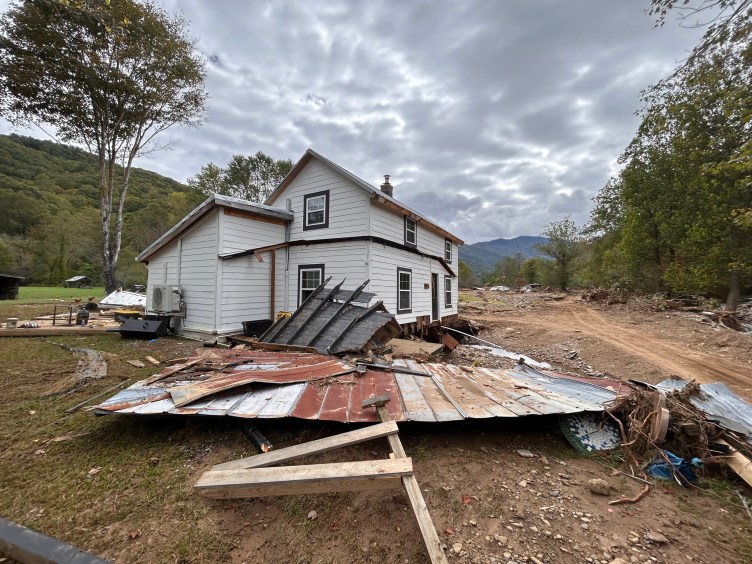
Brian and Susie Hill, public school teachers, bought a historic farmhouse on Cattail Creek just before Helene struck. Their home was extensively damaged, leaving them without shelter. It took months, but they eventually received almost $40,000, nearly the maximum FEMA offers for rebuilding and repair.
Thanks to persistent efforts during paid leave, their situation improved, highlighting a crucial advantage for those with time and resources to navigate complex bureaucratic processes.
FEMA’s Challenging Process
Applying for FEMA aid often proves arduous, particularly for lower-income survivors who face logistical and financial barriers. Sometimes, errors in documentation lead to denial or withdrawal of applications without notice, causing further distress for applicants.
“People with lower incomes are at a huge disadvantage,” Alicia Edwards from Legal Aid of North Carolina remarked, emphasizing the daunting application process.
Households receiving aid were often from higher-income brackets, able to dedicate ample time and resources to securing support. Those struggling day-to-day faced insurmountable challenges in accessing federal assistance.
Efforts to Modernize FEMA’s System
FEMA had initiated steps toward enhancing its application process, aiming to make it more accessible. However, recent workforce reductions severely undermined these efforts, leaving survivors to face a complicated and outdated system.
Michael Coen, former FEMA chief of staff, explained that compared to streamlined personal services like Amazon, FEMA’s process lacks transparency and progress updates, adding to the frustration of applicants.
Conclusion
In Yancey County, efforts continue to restore homes and lives ravaged by Helene. The Hills’ home benefited from community support and initial FEMA funding, inching closer to normalcy. The Parkers, meanwhile, face ongoing challenges as they seek stable housing, underscoring the varied trajectories of families affected by disaster.
While some make gradual progress, others like Michelle Parker await aid, dealing with additional personal losses. These stories illustrate the intricate journey of securing aid post-disaster, highlighting the importance of streamlined processes and fair distribution to support all affected households.
 Inside the Secret Deals Powering the President’s Push to Deport Migrants to Countries Not Their Own
  Navigating the Challenges of Third-Country Deportations
  Midair Altercation on Bangladesh to London Flight
  Ukraine Missile and Drone Barrage Hits Russia Amidst Elections
  U.S. Strategic Goals Remain Unmet Amid Prolonged Conflict
  New Photos Reveal Damage from Iranian Strikes in the Middle East