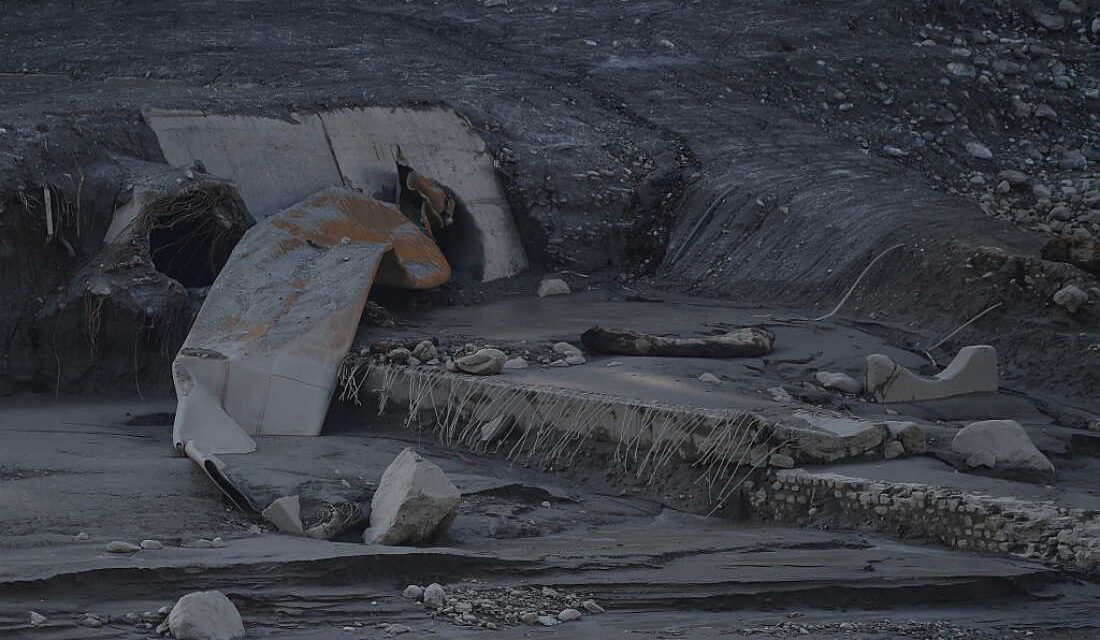
KATHMANDU, Nepal — In the aftermath of devastating flash floods that hit riverside regions in Tibet and Nepal, rescue operations are ongoing. More than 1,000 individuals lost their lives during the event. A massive operation is underway to locate survivors, particularly those feared trapped in hydro-power plants buried by debris.
Challenges in Locating Tunnels
Rescue teams face the daunting task of finding the tunnels where many have sought refuge. The area looks drastically changed, resembling a barren wasteland after the floods. Arnold Dix, a tunneling expert, described the scene as chaotic and challenging for rescuers.
Massive Rescue Operation
Nepal’s security forces, along with over 21,000 rescuers, are actively searching for the missing. The country’s army leads efforts in areas with trapped hydropower workers. Video footage shows rescuers navigating through tight, muddy tunnels using ropes.
Source of the Floods
The disaster started after a glacier segment fell into a river valley, sending water, debris, and ice hurtling downwards. Entire riverbank communities and hydropower facilities, once prominent, are now either flattened or buried beneath the surface, with the river altering its course significantly.
Innovative Rescue Techniques
Advanced mapping tools are helping locate tunnels and potential survivors. According to Dix, there is hope that some people survived in the turbine houses of these plants. His team is involved in freeing trapped individuals at one such plant, Trishuli 3A, by clearing debris and managing water flow.
Rescue Successes
Despite ongoing challenges, progress has been made. Nearly 300 individuals have been rescued from different sites. Many of these rescues occurred at the Upper Trishuli-1 power plant.
“My survival was a sheer miracle,” said Janak Thapaliya, a worker at the power plant.
Thapaliya escaped the deluge by climbing onto a floating tanker, while many of his peers were not as fortunate.
International Assistance
The global community responded with offers of aid, despite initial reports suggesting reluctance by Nepal to accept help. The government clarified that aid was welcomed as per field requirements. Teams from India, China, and Korea are aiding Nepali rescuers.
International Crisis Group adviser Ashish Pradhan acknowledged the complexity of the situation, recognizing the efforts made by the government under difficult circumstances.
The scale of the disaster demands continuous collaboration and support as rescuers strive to bring more people to safety.
 U.S. Strategic Goals Remain Unmet Amid Prolonged Conflict
  New Photos Reveal Damage from Iranian Strikes in the Middle East
  Assassin of Chilean Diplomat Orlando Letelier Faces Deportation 50 Years After Assassination
  Gorillaz and Macklemore Respond to Controversy Over Israel-Palestine Statements
  Investigation into Lion Deaths in Tanzania
  Merz Stays Resolute Amid Electoral Shifts in Germany