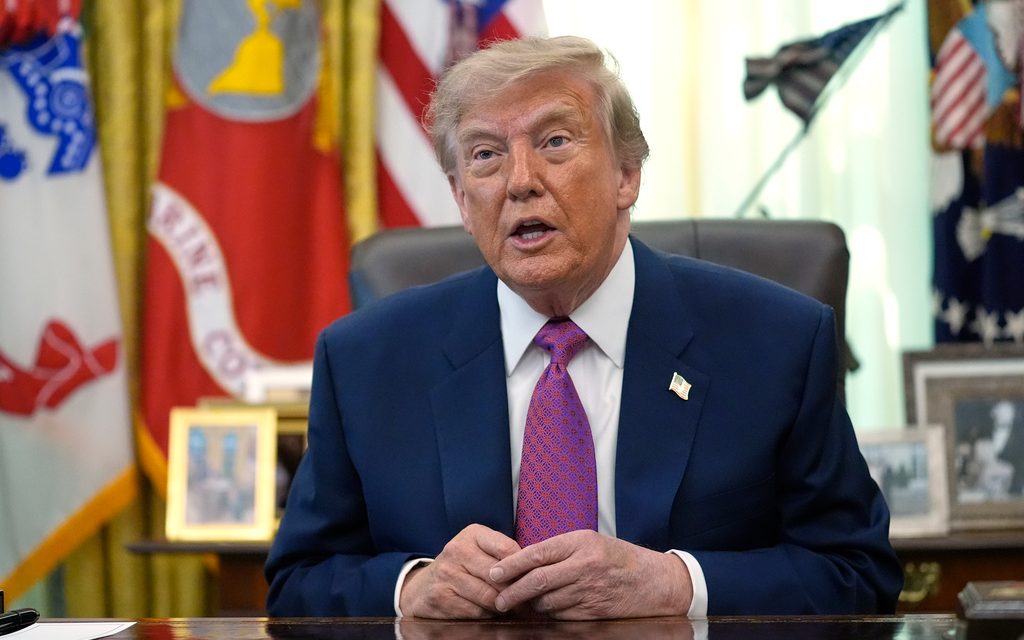
On Thursday, August 27, 2026, President Donald Trump spoke in the Oval Office at the White House in Washington. The mystique of the presidency has always surrounded U.S. presidents, particularly as the nation emerged as a global superpower. Presidents have historically followed the principle of ‘speaking softly and carrying a big stick,’ as advised by President Theodore Roosevelt, to command respect in diplomatic ventures.
Under President Trump, however, the presidential power has transformed into a subject of ridicule. Known for his outspoken nature long before his presidency, Trump gained popularity by saying things many wished politicians would voice. In contrast to politically cautious speech, Trump adopted an off-the-cuff approach.
As he stepped into his second term, Trump escalated his rhetoric. With support from the House, Senate, and Supreme Court, he had leeway to implement his views on national transformation. Initially, these tactics seemed effective, prompting changes in NATO spending, corporate DEI programs, university policies, and media programming.
More recently, the impact of Trump’s assertive threats has waned. Nations like Iran have opted to wait out his ultimatums, while economic challenges such as oil prices and strained trade relationships have emerged. For instance, Canada’s reaction to a new trade war highlighted a fractured diplomatic relationship and resistance to Trump’s tariff threats.
In Trump’s first term, his aggressive style was counterbalanced by mindful advisors who encouraged restraint. This created a perception of a decisive but tactful president, appealing to his core supporters. Now, surrounded by unyielding followers, his administration struggles with ineffective messaging. Prominent figures like Treasury Secretary Scott Bessent and Defense Secretary Pete Hegseth echo Trump’s reckless stance, often appearing misguided in their approach.
Historical precedents saw presidents like Ronald Reagan and George W. Bush maintain a disciplined communication strategy, effectively asserting U.S. positions without reckless threats. Reagan’s famous call to ‘tear down this wall’ demonstrated strength without belligerence. Bush’s measured response post-9/11 similarly exemplified focused leadership.
Currently, the absence of restraint in leadership allows for erratic engagements. This inconsistency has resulted in widespread disregard from both domestic and international audiences. The shift away from respected diplomacy presents challenges for U.S. foreign relations, as adversaries increasingly ignore the presidential directives.
“We have learned for better or worse to just ignore him. What is worse is our enemies are now learning to ignore him as well.”
The necessity for composed and strategic presidential conduct is integral to maintaining the power’s intended gravitas and effectiveness on the world stage.
Joslin Joseph, awarded by the Military Reporters and Editors association for Best Commentary-Opinion, offers seasoned insights from his experiences as a Marine veteran. With a robust educational background from Harvard and Ohio State, his perspectives provide a critical analysis of contemporary political dynamics.
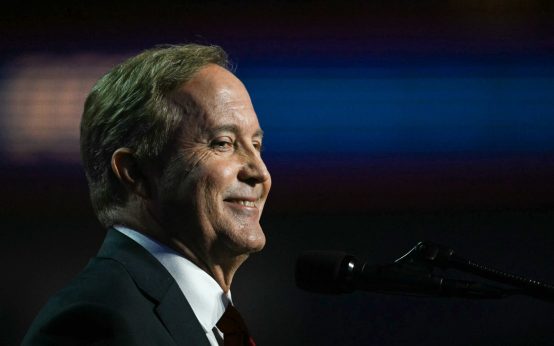 Ken Paxton’s Campaign Funding and Polls
  Inside the Secret Deals Powering the President’s Push to Deport Migrants to Countries Not Their Own
  Independence of Research from Political Agendas
 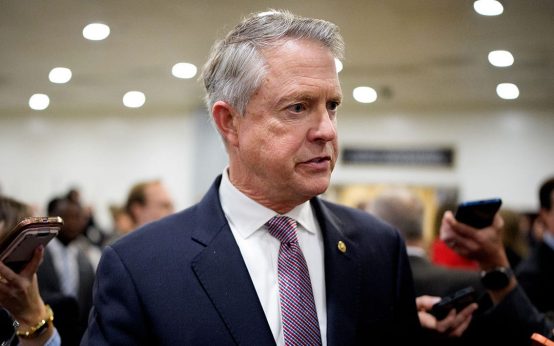 Sen. Roger Marshall Denies Allegations of Political Attack
  Concerns About Food Safety Reach Critical Levels
 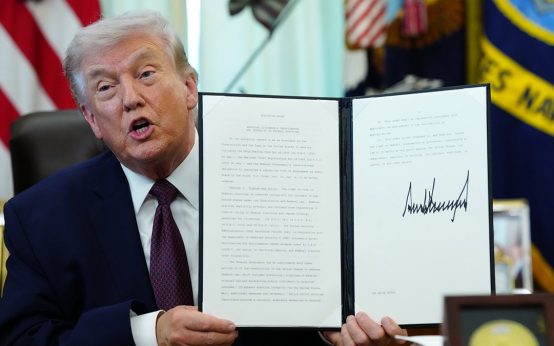 Court Blocks Trump’s Mail-Ballot Rules Ahead of Elections