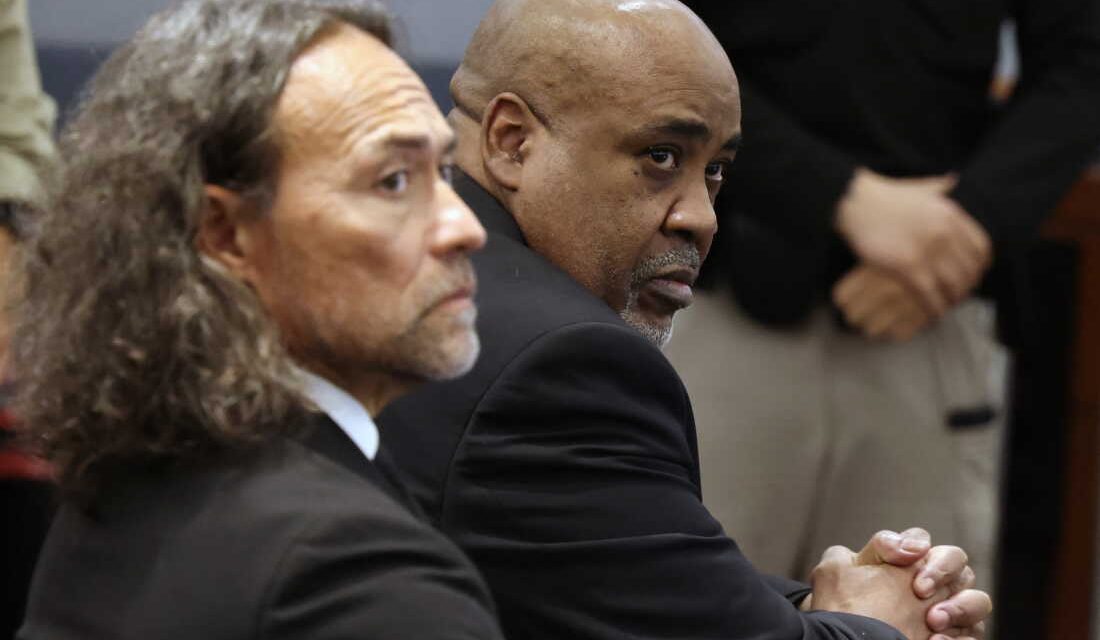
Duane “Keffe D” Davis was found guilty of orchestrating the 1996 murder of rapper Tupac Shakur. The conviction was reached by a jury at Clark County District Court in Las Vegas. Davis, 63, was convicted of first-degree murder with a deadly weapon. He is now facing the possibility of a life sentence.
The jury deliberated for less than three hours after a trial that lasted several weeks. Shakur’s sister, Sekyiwa Shakur, expressed her emotions by hugging the prosecutors after the verdict. Davis’ son was seen with his face in his hands.
Chief Deputy District Attorney Binu Palal explained to the jury that Davis hunted Shakur and Death Row Records’ Marion “Suge” Knight following an altercation involving Davis’ nephew. Palal stated, “He is responsible for the murder of Tupac Shakur.” The prosecution argued Davis’ own statements placed him in the white Cadillac used during the shooting.
While Davis did not fire the weapon, prosecutors indicated his role as a gang leader influenced the actions of those in the car. His defense attorney, Michael Sanft, questioned the evidence connecting Davis to the shooting.
The jury, comprising 16 members with four alternates, heard from 24 prosecution witnesses and three defense witnesses over nine days. A gang enhancement charge against Davis was dismissed due to witness logistics.
Prosecutors chose not to comment post-verdict. Shakur’s family is reserving their remarks until sentencing in October.
Tupac Shakur was shot in Las Vegas on September 7, 1996, dying six days later. Davis, among the last survivng members of the car involved, confessed to his involvement in public statements, making the trial a focal point for hip-hop fans and true crime enthusiasts.
Sanft argued Davis’ words were dramatized for financial gain. He argued there was no physical evidence tying Davis to the crime scene. Davis’ book, “Compton Street Legend,” was referenced by both sides during the trial. Palal cited it as an admission of involvement, while Sanft dismissed it as fiction.
The trial highlighted the rivalries among Los Angeles gangs and their connections to Death Row Records and Bad Boy Records. Davis’ alleged involvement in the murder of another rapper, the Notorious B.I.G., was also referenced, yet remains unresolved.