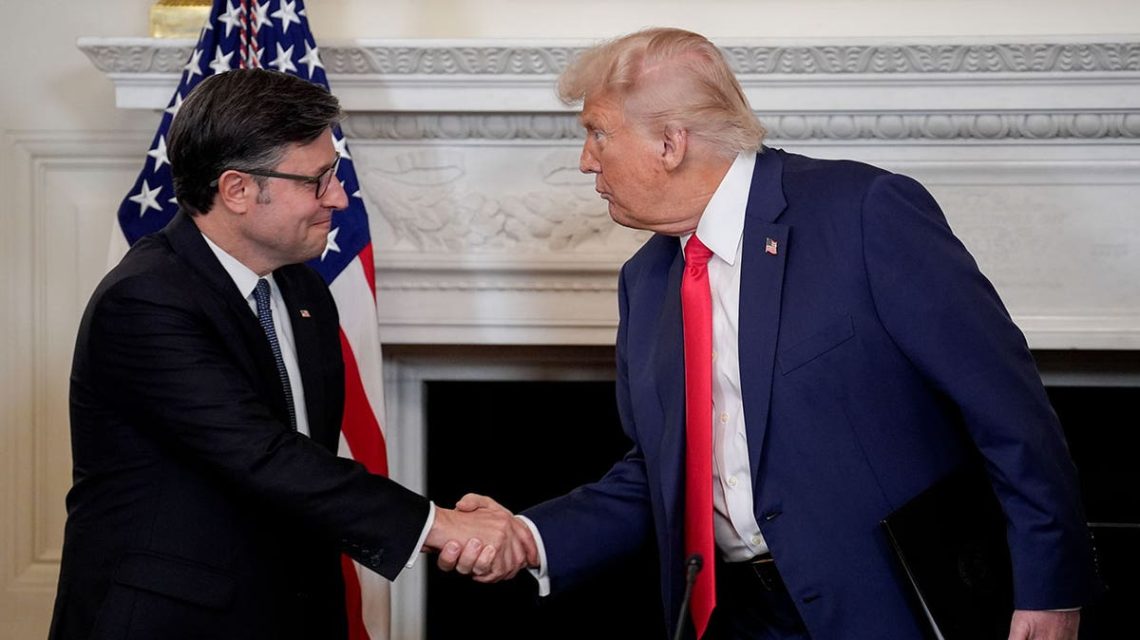
The House of Representatives reconvened recently after not holding a vote since July 23. However, the revival is short-lived, lasting less than a week, with the Senate scheduled to return on September 14. This temporary session resembles the third preseason NFL game, where initial excitement wanes as the anticipation for the regular season builds.
During this brief session, House Speaker Mike Johnson, alongside President Donald Trump, appeared in Washington. Despite the limited timeline, several pertinent activities are on the schedule, as the House tackles notable political issues before leaving Washington again for Labor Day.
Congress has primarily completed its business for this year. The potential government shutdown drama has been sidestepped for now, thanks to an interim bipartisan bill funding the government through December 11. This bill, supported by the Senate in August, awaits a House vote on Tuesday.
Congress members are eager to campaign as midterm elections near, causing sparse attendance over the coming days. Monday night counted 384 members at one non-controversial vote, decreasing slightly to 388 for the next vote. Some members, particularly those retiring or who lost in primaries, may even consider early resignation.
“Are we going to be here the entire period?” asked Speaker Johnson regarding the schedule. “We’re going to be here this week and then we’re going to come back in a couple weeks?” Johnson replied, “Well, it’s on the schedule.”
Key political maneuvers include a Republican-led resolution requiring Democrats to align with socialism or democracy. This initiative seeks to highlight party divisions and leverage potential campaign ad material for upcoming elections. Republicans aim to expose Democrats’ policy stances through this resolution.
The resolution incorporates the SAVE America Act, a critical GOP agenda point demanding proof of citizenship for voting. Many Democrats view this as obstructive. The Democrats face a political dilemma where voting against the resolution may be exploited by the Republicans in campaign narratives.
Additionally, House Republicans may address potential ethical controversies concerning various members. Accusations against Reps. Chuck Edwards, Cory Mills, and Max Miller involve issues like misconduct and alleged assault. These matters test the ethical and political climate of the House.
House Speaker Johnson supports Rep. Miller’s reelection, acknowledging ongoing personal issues but refraining from immediate action before the Ethics Committee’s findings. Republicans, prioritizing political stability before the midterms, prefer to avoid deep Congressional interventions that may distract from election-focused objectives.
There is speculation the House might conclude sessions, leaving Washington until after the election. This strategy aligns with maintaining the current Republican majority. As political tactics evolve, the House’s temporary presence in Washington might conclude soon, allowing members to focus on securing their positions in the upcoming election.
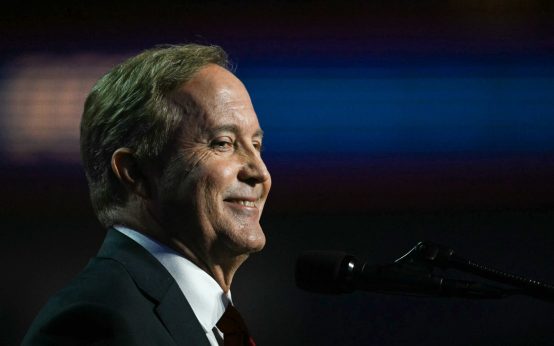 Ken Paxton’s Campaign Funding and Polls
  Inside the Secret Deals Powering the President’s Push to Deport Migrants to Countries Not Their Own
  Independence of Research from Political Agendas
 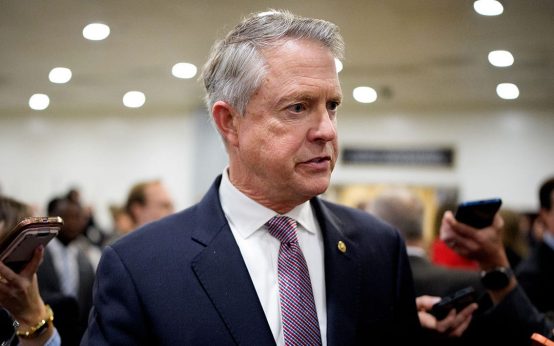 Sen. Roger Marshall Denies Allegations of Political Attack
  Concerns About Food Safety Reach Critical Levels
 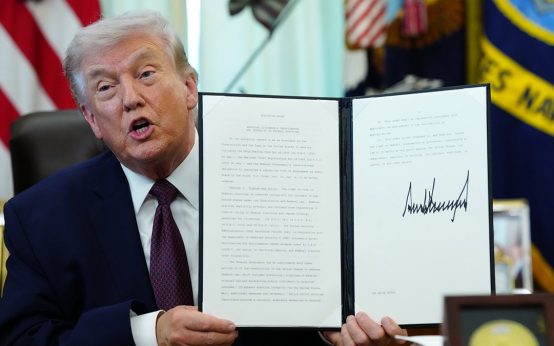 Court Blocks Trump’s Mail-Ballot Rules Ahead of Elections