In commemoration of the 25th anniversary of the September 11th attacks, Newsweek is revisiting the sequence of events that led to the tragedy. Subscribers can receive daily updates as part of a special series.
On August 31, 2001, President George W. Bush returned to Washington, D.C. after a vacation in Crawford, Texas. George Tenet, the CIA director, resumed daily intelligence briefings with Bush and Vice President Dick Cheney at the White House.
During that briefing, Tenet did not discuss the arrest of Zacarias Moussaoui. According to the 9/11 Commission, there were no conversations about the domestic threat of terrorism with the president around that time.
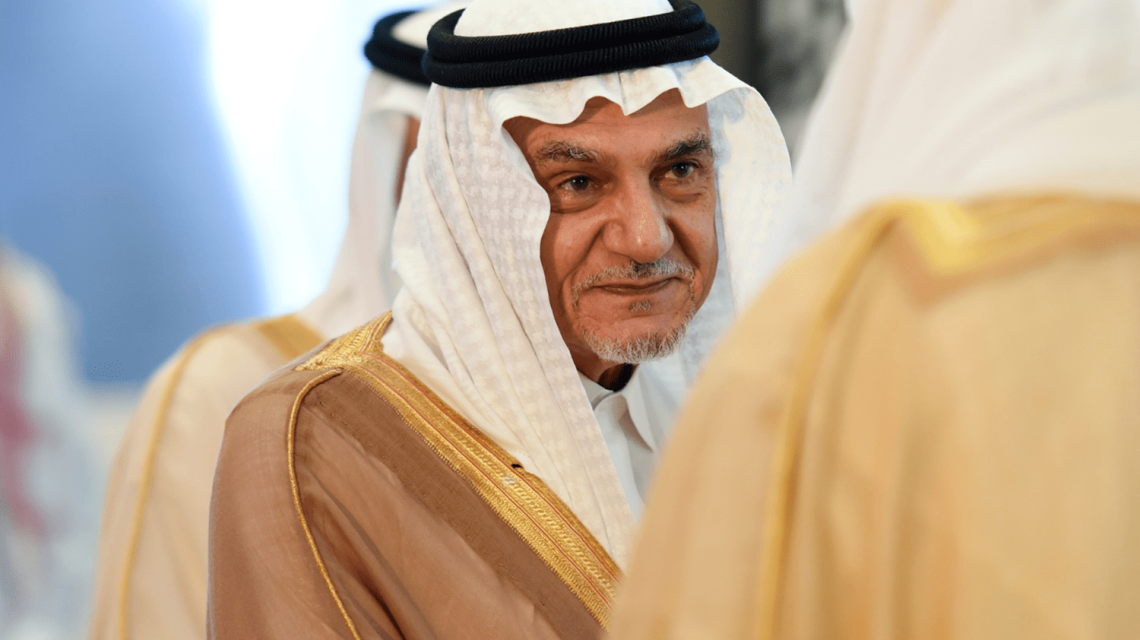
Saudi Prince’s Resignation
The major classified news involved the resignation of Saudi Prince Turki bin Faisal al-Saud, head of Al Mukhabarat Al A’amah, Saudi Arabia’s intelligence agency. His resignation took the CIA by surprise, especially since his term had been recently extended.
Prince Turki’s unexpected resignation was not immediately linked to terrorism. There was tension between him and Crown Prince Abdullah, partly due to Turki’s handling of terrorism and the inability to contain Osama bin Laden.
Prince Turki held a longstanding relationship with the CIA, managing Saudi support for the Afghan resistance to the Soviet invasion in 1979. He facilitated funding for Arab fighters, including young men from Saudi Arabia and Gulf states, some of whom went to Afghanistan primarily for the prestige rather than combat.
Relationship with Osama bin Laden
Turki acted as a key contact with Osama bin Laden, the leader of the Arab fighters in Afghanistan. Some accounts suggest an agreement existed between them, where al-Qaeda refrained from targeting Saudi domestic assets in exchange for tacit government support.
Prince Turki’s approach often frustrated U.S. intelligence, especially after attacks on U.S. facilities in Saudi Arabia in 1995 and 1996. Cooperation on investigations was limited, and there were challenges in exchanges on terrorist financing related to al-Qaeda members who had defected.
Despite these issues, the U.S. did not confront Saudi Arabia as strongly as they did Pakistan in the aftermath of 9/11.
Next in this series, we look at efforts by Bill Clinton’s administration urging his successor to ally with warlord Ahmed Shah Massoud and his forces against the Taliban.
 Criticism Arises Over Michigan Senate Nominee’s Association with Streamer
  Homeland Security Takes Action Against Voter Fraud
  Iowa Senate Election: Turek Leads in Polls Amid Economic Concerns
  Kamala Harris Joins Abdul El-Sayed in Michigan Senate Campaign
  U.S. Military Expansion in Greenland
  Public Confidence in the Supreme Court at Record Lows