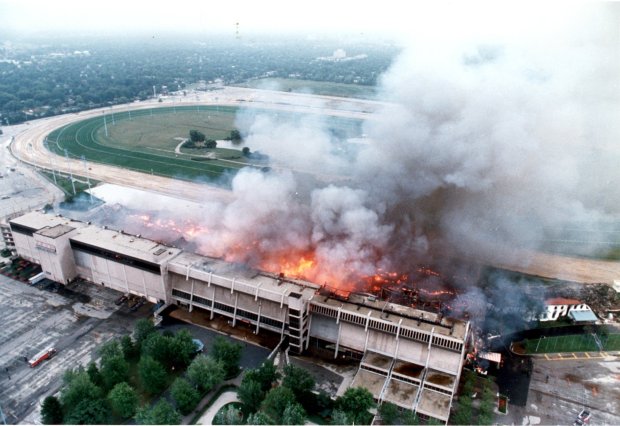
Horse racing in the Chicago area came to an end in July when Hawthorne Race Course ceased operations. This event coincided with a significant milestone: four decades after Arlington Park hosted Illinois’ richest and most renowned racing event. Known as the International Festival of Racing, this 13-day spectacle took place from August 19 to September 1, 1986. It featured a unique setup, resembling a country fair with tents and temporary bleachers.
The Festival included 13 graded races, categorized in the highest tiers: six Grade I, four Grade II, and three Grade III races. Additionally, four major races were reserved for horses bred in Illinois. However, fiscal mismanagement led to the downfall of horse racing in the Chicago region. Total prize money during the Festival exceeded $5 million, averaging approximately $385,000 daily, an unprecedented amount in Illinois at that time. This record was later exceeded in 2002 when Arlington hosted the Breeders’ Cup.
Nick Clark, president of the International Racing Bureau and collaborator with Arlington and other global tracks, remarked that the Festival was unmatched, except by the Breeders’ Cup introduced in 1984. He noted that events like Royal Ascot in England had fewer Group I races compared to Arlington, which attracted global attention.
With daily attendance averaging 17,819 and daily betting reaching $2,383,052, Arlington left a mark without out-of-state simulcasts. The Festival drew inspiration from the previous year’s successful “Miracle Million,” held despite a catastrophic fire at Arlington that demolished its clubhouse and grandstand.
A key figure behind the Festival’s success was Dick Duchossois, Arlington’s majority owner. He aimed to keep Arlington in the global spotlight, establishing a world-class track in the Midwest and showcasing thoroughbred racing as a major spectator sport. Duchossois bought out his partners before the 1986 Festival to maintain control over operations. Racing took place on Arlington’s premier grass course and main track, with varied concessions reflecting a Taste of Chicago.
The Arlington Million stood out as the premier event, first inaugurated in 1981 as the world’s first million-dollar race. In 1986, Estrapade, a mare, achieved a historic victory, marking the largest winning margin with five lengths. Her trainer Whittingham humorously suggested her win was a testament to women’s empowerment in racing.
The Chicago Tribune’s coverage was extensive, akin to coverage for major sports events, emphasizing Arlington’s prominence. The Festival attracted elite trainers and jockeys from both coasts, Canada, and Europe, with notable performances such as Top Corsage winning the Pucker Up Stakes and Arlington Oaks.
Noteworthy upsets included Sumptuous, a 35-1 long shot, winning the Arlington Classic’s opening race. Duchossois had cause for additional celebration with Explosive Darling’s victory— an Illinois-bred owned by him, clinched the Stars and Stripes Handicap at the turf course.
Trainers like Carl Nafzger and jockeys like Pat Day gained prominence. Day was distinguished as North America’s leading jockey; Estrapade was named champion female grass horse; Smile was hailed as the leading sprinter.
The Festival’s success led Duchossois to seek an extended 91-day meeting for 1987, granted by the Illinois Racing Board. Despite plans to redevelop Arlington into a business complex, Duchossois shifted focus, relocating the Million to Woodbine during Arlington’s reconstruction. Architectural Digest later recognized Arlington’s rebuilt site as “the world’s most beautiful racetrack.”
However, challenges persisted. Duchossois temporarily closed Arlington to advocate for tax breaks, reopening only after merging with Churchill Downs, Inc., as its biggest shareholder. Despite initially promising prospects highlighted by hosting the 2002 Breeders’ Cup, Duchossois eventually reduced his role and sold his shares for estate planning.
In a significant shift, Churchill Downs, Inc., acquired nearby Rivers Casino and opted to sell Arlington, eliminating gambling competition. The Bears bought the site, prohibiting casino gambling, horse racing, and sports betting, eventually demolishing Arlington for property tax benefits on future stadium plans.
Arlington’s final meeting was in 2021, as Churchill Downs, Inc., renamed the Million to Mr. D. Stakes, controversially reducing the purse to $600,000. Globally, races with million-dollar purses have emerged, overshadowing the Million’s original prestige. The Everest and Saudi Cup now boast $20 million purses.
Bob Kieckhofer, a racing correspondent, emphasizes Duchossois’ pioneering contributions in international racing, reflecting on Illinois’ current situation. The 1986 Festival serves as a poignant reminder of the heights Chicago horse racing once reached.
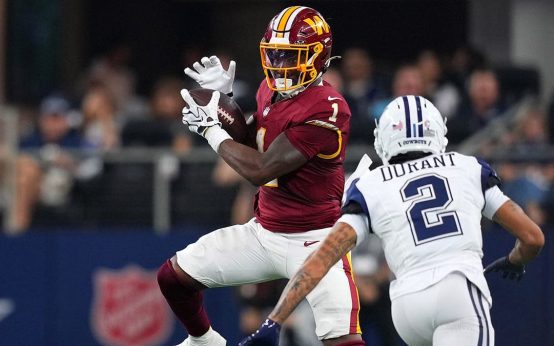 Dallas Cowboys Defeat Washington Commanders Amid Player Injury
 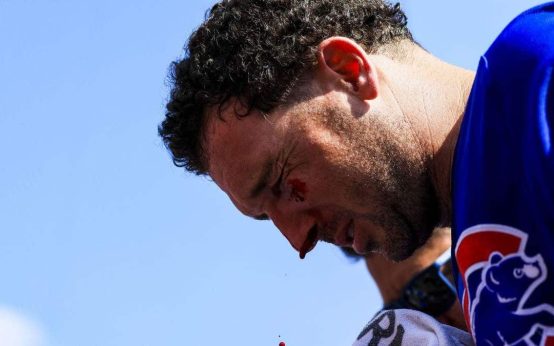 Chicago Cubs’ Alex Bregman Suffers Facial Injury from Foul Ball
 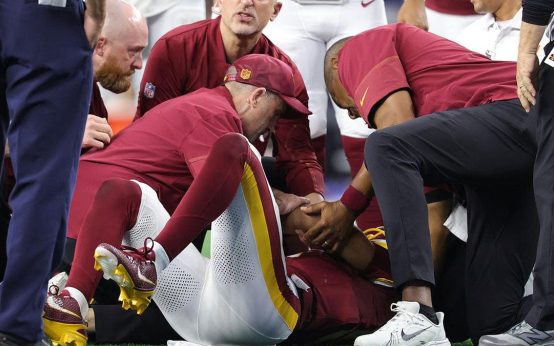 Washington Commanders Face Major Setback as QB Jayden Daniels Suffers Elbow Injury
 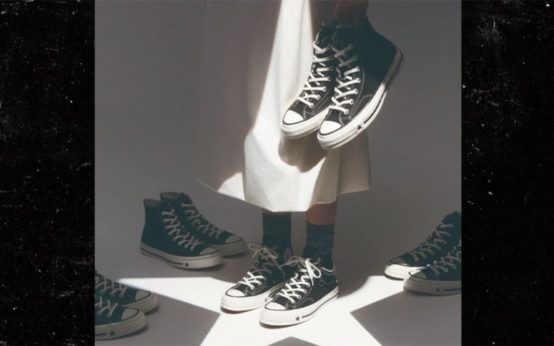 Converse Apologizes and Withdraws Controversial Ad Amid Criticism
 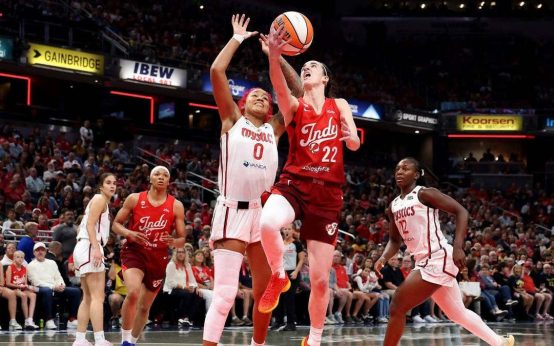 Indiana Fever’s Struggles Against Washington Mystics
 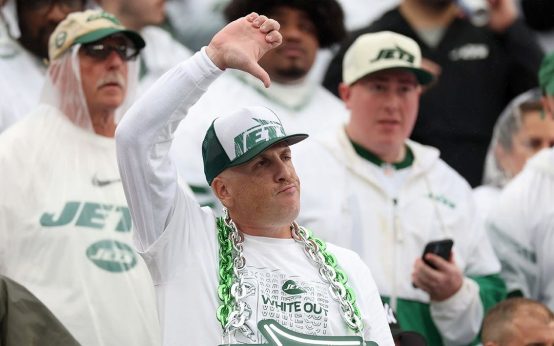 New York Jets Fall to Green Bay Packers After Fourth-Quarter Collapse