Democrats’ Competitive Campaigns
Democrats are actively pursuing Senate and gubernatorial campaigns in states with previously strong Republican support. Focus is on Alaska, Iowa, Kansas, Ohio, and Texas, where President Donald Trump won by double-digit margins in the 2024 presidential election. This has sparked debates about potential Republican challenges ahead of the 2026 midterms.
Impact of Trump’s Approval Ratings
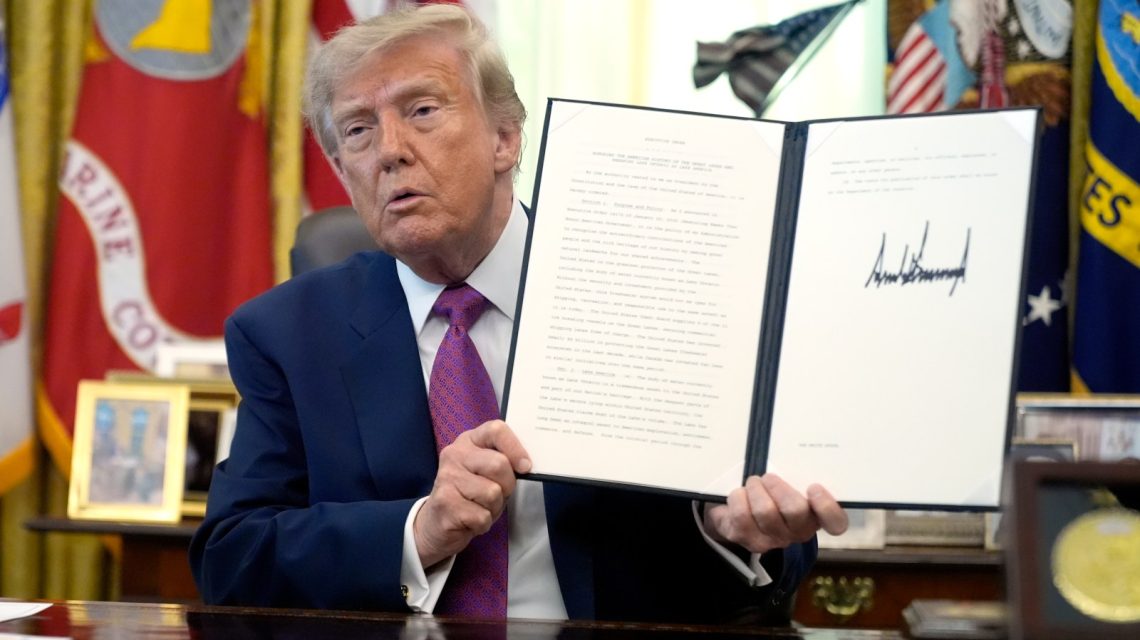
According to Costas Panagopoulos from Northeastern University, presidential approval ratings and the economic state are key predictors for congressional races during midterms. Trump’s approval ratings, showing 35% approval and 59% disapproval, suggest increased competitiveness in these states due to his negative popularity.
“Presidential approval and the state of the economy are strong predictors to outcomes in congressional races in midterms. Trump’s sagging rating on both metrics are making races in these states more competitive than expected,” said Panagopoulos.
Additional polls, such as the Economist/YouGov and RealClearPolitics, reinforce Trump’s negative net approval, raising concerns among Republicans as they prepare for the upcoming midterms.
2026 Midterm Elections
Political experts emphasize that losses for the party controlling the White House are common in midterms. While factors like Trump’s approval ratings play a significant role, elements like candidate quality and local dynamics also contribute to competitive races.
“At the end of the day, in 2024 Donald Trump was a rising tide lifting all Republican boats, but in 2026 he is a falling tide lowering all Republican boats from sea to shining sea,” said Mark Jones from Rice University.
Key States to Watch
Significant attention is directed towards states like Alaska and Ohio, where Democrat candidates show strong competitiveness.
Alaska
In Alaska, Trump won comfortably in previous elections, but Democrats remain competitive, aided by ranked-choice voting. Democrat Mary Peltola is challenging incumbent Republican Senator Dan Sullivan.
Polling indicates a tight race with Peltola leading Sullivan in some surveys. Ranked-choice voting amplifies this competitiveness, with both Data for Progress and Alaska Survey Research showing close margins.
Ohio
Ohio presents Democrats’ strong pickup opportunity. Sherrod Brown, former Democratic Senator, competes against Republican Senator Jon Husted.
Polls from Fox News and Wedgewood indicate Brown’s lead, though margin errors suggest potential shifts as the election nears.
Texas
Trump’s consistent wins in Texas face new challenges as Democrats attempt to secure a major win statewide. The Senate race between Republican Ken Paxton and Democrat James Talarico remains closely contested.
Paxton’s legal issues contribute to tight polling, with Cook Political Report and Sabato’s Crystal Ball rating the race as “toss up.”
Conclusion
The 2026 midterms promise to be competitive with several traditional Republican strongholds facing strong Democratic campaigns. Success depends on Trump’s popularity, candidate quality, and localized issues that could influence voters to decide in unexpected ways.
 Universities Should Reject Political Influence on Research Funding
  Trump’s Approach to China: Trade Dynamics and Challenges
  Media Outlets Sue After White House Ban
  American Public Opinion on Press Freedom
  Media Lawsuit Against Trump Administration for White House Ban
  The Cost of Challenging Beijing