Hollywood’s voice actors face a critical challenge with artificial intelligence (AI) technology. Prominent actors use AI to increase profits, but less-known artists see a decline in job availability. Unions seek stronger AI regulations, while nonunion freelancers feel pressure to accept low-paying AI-related work.
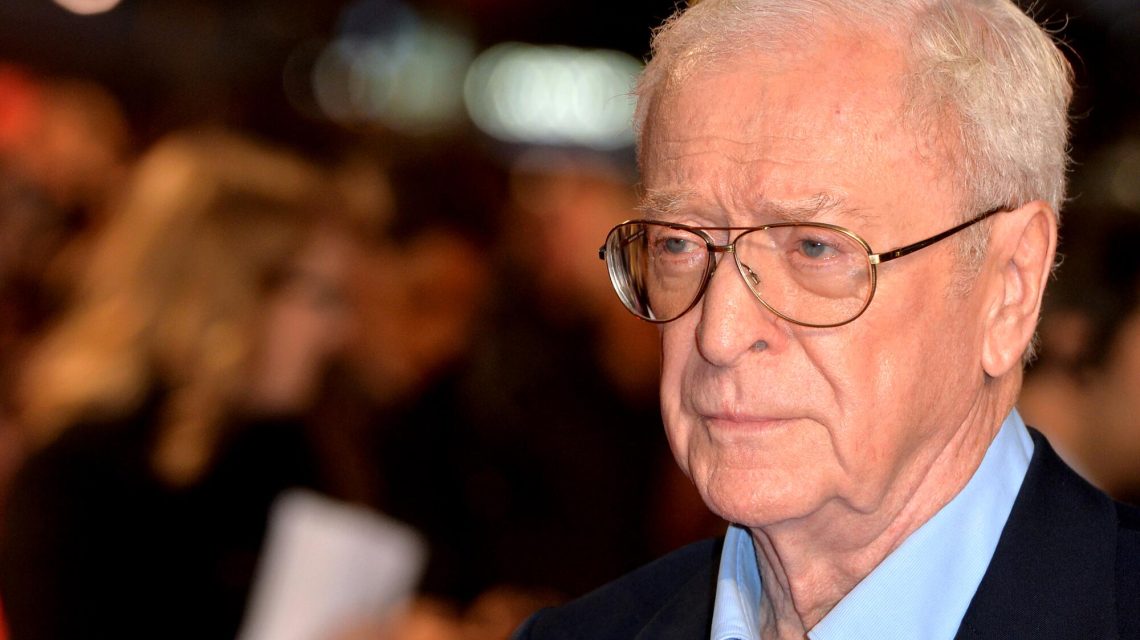
Stacey Rivera, a 34-year-old voice actor in Los Angeles, works for commercials and Netflix. She fears the future as AI voices dominate more screens. Sir Michael Caine’s narrated audiobook of the “Odyssey” is a prime example. He licensed his voice to ElevenLabs, an AI company, to produce it. Matthew McConaughey uses AI for Spanish versions of his newsletter.
ElevenLabs offers voice clones for multiple figures, like Judy Garland and Richard Feynman, to be used for compensation. Veteran actor David Lawrence XVII emphasizes actors need proper compensation and rights to avoid being replaced. He often declines projects that don’t honor these rights.
Authorized clones are more accepted with big names selling their voices for films and online use. Morgan Freeman initially opposed unauthorized cloning but now entertains offers.
There is tension between actors against cloning and those accepting the change. On Reddit, the r/VoiceActing community discusses losing work and the art form itself. Nick Myers, 26, refused a $100,000 AI offer over ethical concerns, illustrating the moral struggle.
For many, especially freelance gigs like Instagram content and budget audiobooks, AI is reducing job opportunities. Hollywood’s 2023 strikes resulted in SAG-AFTRA ensuring studios need your consent and pay residuals for using digital replicas. But freelance work remains unchecked by union guidelines.
The National Assn. of Voice Actors represents 30,000 professionals and warns freelancers against signing away voice rights. It offers a NAVA AI rider contract to protect artists without federal law.
SAG-AFTRA supports the No Fakes Act for federal protections on voice and likeness rights, criminalizing unauthorized use.
Voice actors face difficult decisions. Jessica Hepburn’s income dropped significantly, pushing her into niche sectors like erotica, where AI competition is lower. Her earnings fell from $80,000 to less than $40,000, showing AI’s impact.
Not all actors resist. Alicia McCalla embraced cloning technology, uploading samples to ElevenLabs. She earns through passive income but notes the unpredictability of where her voice appears, like in documentaries.
ElevenLabs pays creators $22 million to use voice clones, claiming full control over use. However, unauthorized clones are a growing issue. Over 100 actors found copies online without permission, leading to numerous lawsuits.
Stacey Rivera, recording Netflix’s “Love is Blind” audio, avoided nonunion AI training offers. She values union jobs but finds them scarce, underlining industry challenges. Rivera’s refusal of a lucrative tech offer reflects concerns over AI’s ‘predatory’ nature.
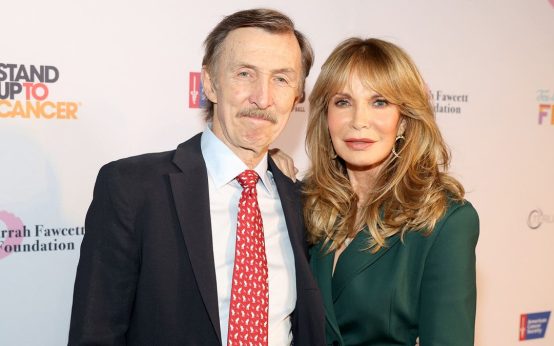 Jaclyn Smith Reflects on Love, Career, and Family in Memoir
 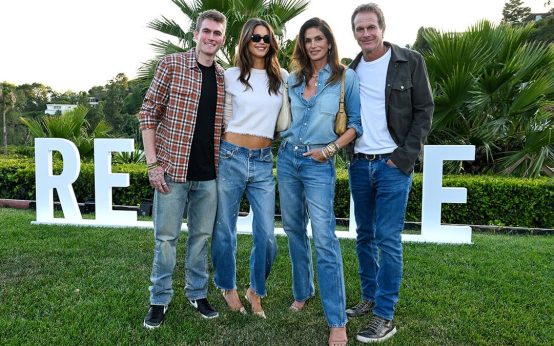 Presley Gerber’s Impact on His Family and Legacy
  Ella Langley’s ‘Choosin’ Texas’ Sets New Billboard Record
  Taylor Swift Teases New Single and Potential Album Re-recording
  Debate Continues Over Virginia’s Data Center Energy Plans
  Sturgill Simpson’s Path to Success and Candid Insights