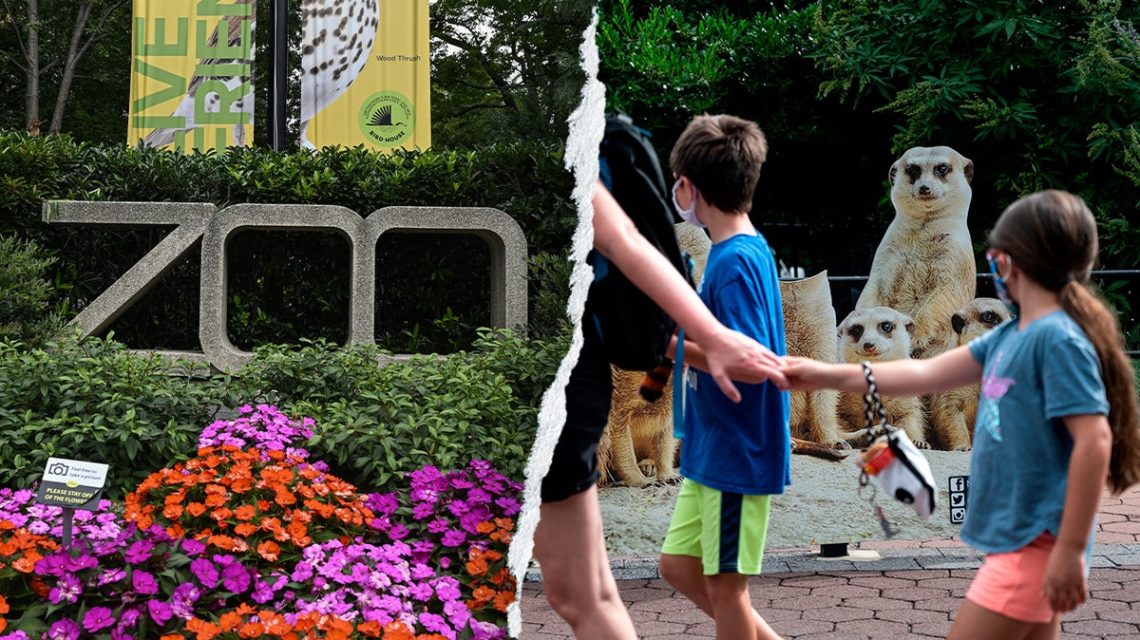
The Smithsonian National Zoo has been shifting its focus towards diverse and inclusive programming. This comes during a period when the Trump administration has sought to minimize far-left influences within the Smithsonian Institution.
The zoo, a major attraction in Washington, D.C., draws around 2 million visitors annually. It also runs a global conservation program across over 40 countries. According to its website, the zoo emphasizes gender equity, civil liberties, justice, and their direct impacts on resource use and climate change. A specific 2021 article highlighted the importance of addressing health and education inequities to strengthen climate action.
A review by Fox News Digital detected the promotion of DEI (Diversity, Equity, and Inclusion), LGBTQ support, and environmental justice initiatives at the zoo. Searching for ‘climate change’ on the zoo’s website yields almost 400 results discussing its effects on various ecological systems.
The Trump administration aims to reduce political messaging in federal entities, including the Smithsonian. However, practices related to DEI are identified as critical in the Smithsonian’s strategic plans. A 2023 diversity report noted several DEI initiatives within the National Zoo and Conservation Biology Institute, such as internships focused on diversity, LGBTQ programs, and inclusive language promotion.
Critics have voiced concerns about the zoo prioritizing ideological content over scientific pursuits in conservation. Gabriella Hoffman, from the Independent Women’s Forum, criticized the infiltration of DEI and climate-related messaging into conservation spaces, suggesting it causes confusion and division.
In 2021, the Smithsonian Zoo assisted in launching the Association of Minority Zoo and Aquarium Professionals, aiming to boost minority representation in these careers through mentorship and networking.
Since 2018, the zoo has hosted International Family Equality Day to engage the LGBTQ community. The free event features activities such as animal encounters, music, and games. In 2024, additional partnerships were formed with local LGBTQ organizations.
Despite a January 2025 announcement that eliminated the Smithsonian’s Office of Diversity, efforts for visitor accessibility were retained. Some profiles on the zoo’s website still reference DEI as a part of daily activities. Elliott Ferguson, from the zoo’s advisory board, highlights diversity and inclusion in his professional endeavors.
Conservation efforts at the zoo continue to show a commitment to inclusion. A Great Plains Science Program pledges pathways for underrepresented groups to engage in conservation work. The zoo partners with DEI-focused organizations, like the Association of Zoos and Aquariums (AZA), which demands accessible, inclusive cultures in its member institutions.
Brandie Smith, the current director of the Smithsonian’s National Zoo, joined in 2008, following a tenure as AZA’s vice president overseeing animal conservation. She is also involved with the International Union for Conservation of Nature, focusing on gender-responsive conservation policies.
Efforts for diversity and inclusion at the zoo align with its mission to connect millions with wildlife while advancing conservation goals globally. However, the zoo faces criticism from Hoffman who suggested that engaging with extremist views could harm conservation efforts.
 Trump’s Media Ban Affects Event Coverage
 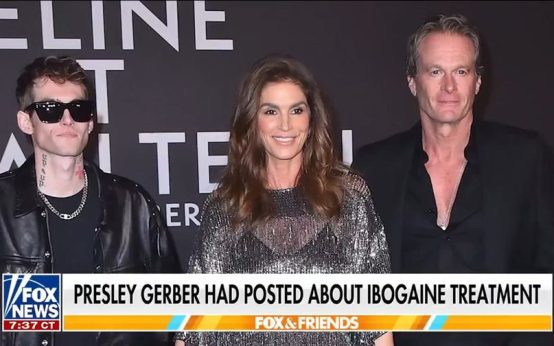 Cindy Crawford’s Son Presley Gerber Dies
 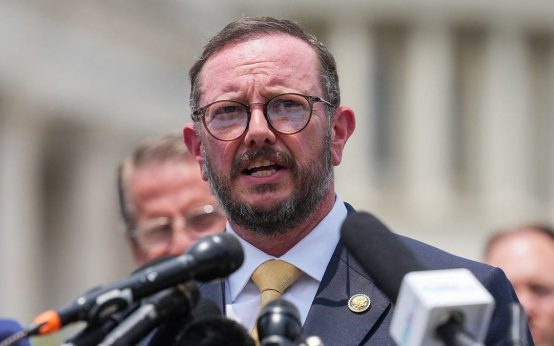 A Critical Perspective on National Spending and Healthcare from Representative Eric Burlison
 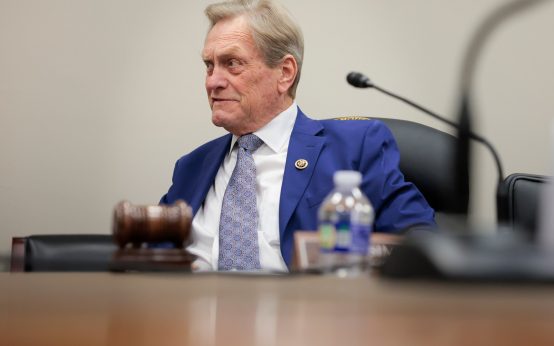 House Republican Criticizes Funding for Trump’s Arch Proposal
  House Bill Proposes Dual Benefits for Combat-Injured Veterans
  Democrats Navigate Transgender Athlete Debate Amid Midterm Elections