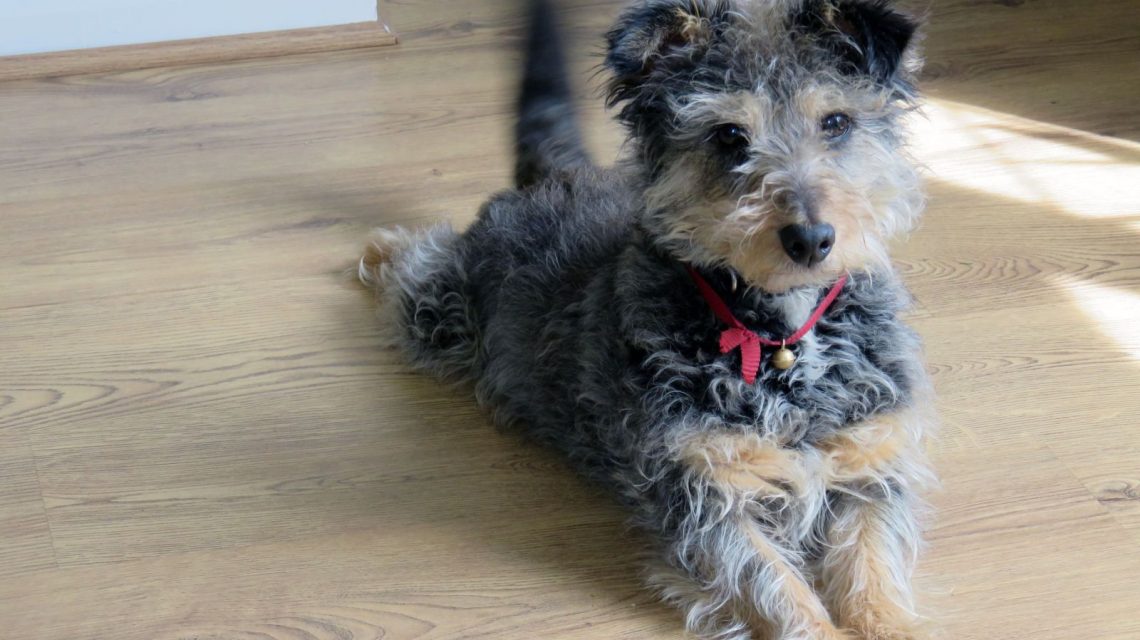
When a dog approaches with its tail wagging, you might think it’s an invitation to interact. However, it’s important to understand that a wagging tail isn’t always a sign of friendliness or comfort. In some scenarios, tail movement might indicate fear, anxiety, or even agitation. Misreading these signals can lead to uncomfortable situations for both humans and dogs.
Why Do Dogs Wag Their Tails?
Dogs express emotions through various behaviors. It’s crucial to observe their whole body language, including posture, ears, and facial expressions. Mike Gould, a canine expert and co-founder of Hounds Town USA, advises to ‘read your dog’ in a broader context rather than focusing only on the tail.
A dog might wag its tail due to happiness but it can also mean they are fearful or overstimulated. This movement can occur because of environmental triggers like another animal, an unfamiliar person, or even a sudden noise. A dog in defense mode may wag its tail too, so it’s not always an indication to approach.
What Different Tail Wags Can Mean
The style of wagging can tell more about a dog’s emotional state. A broad, loose wag usually indicates comfort and ease, while a low or tucked tail signals fear. A high, tight, fast-moving tail could suggest excitement or agitation, and a raised, stiff tail may mean the dog is on alert.
Dogs are capable of detecting sounds and smells before humans do, so a changing tail position might be an early sign that a dog senses something nearby.
Look Beyond the Tail
Observing whether a dog’s body seems loose or tense, as well as changes in the face, ears, mouth, and hackles, is crucial. For instance, a dog appearing relaxed might suddenly close its mouth after perceiving a car outside, indicating a shift in attention.
While every dog has a baseline behavior, some are naturally more difficult to interpret. Spending time with your pet helps identify its typical behavior and recognize when something is off.
When a Wagging Tail Can Be Misleading
Misinterpretations commonly occur during greetings. A wagging tail might be wrongly taken as a request for attention, although the dog could be uncertain. Breed stereotypes add complexity, as similar behaviors might be perceived differently based on whether it’s a Labrador or a pit bull.
Instead of relying on breed stereotypes, focus on the individual dog’s signals in that moment.
What Should You Do If a Dog Seems Uncomfortable?
If a dog’s tail is wagging but its body language indicates discomfort, give it space. Remember, humans are part of a dog’s environment, and our body language significantly influences a dog’s comfort level. Lowering your gaze or getting closer to the ground might make your approach less intimidating. Allow the dog to come to you on its terms.
Conversely, if a dog appears fearful, pursuing it as it tries to distance itself may worsen the situation. Instead, ease your approach, offer space, and let the dog decide whether to come closer.
Read the Whole Dog
No tail movement alone reveals exactly how a dog feels. The more time you spend observing your dog, the better you’ll become at understanding what’s normal behavior. Dogs constantly communicate through their actions. Our responsibility is to learn their language rather than assume they’re communicating the same way humans do.
 Lymphatic Drainage and Ice Sculpting: Emerging Wellness Trends
  Chef Brian Landry and the Rhythms of Bayou Bar
  Tamale’s Decreasing Presence in Mexican Restaurants
  The Rising Trend of GLP-1 Medications Among College Students
  Wendy’s Reintroduces Yellow Packaging as Nostalgic Comeback
  A Senior’s Journey to Sobriety and Independence