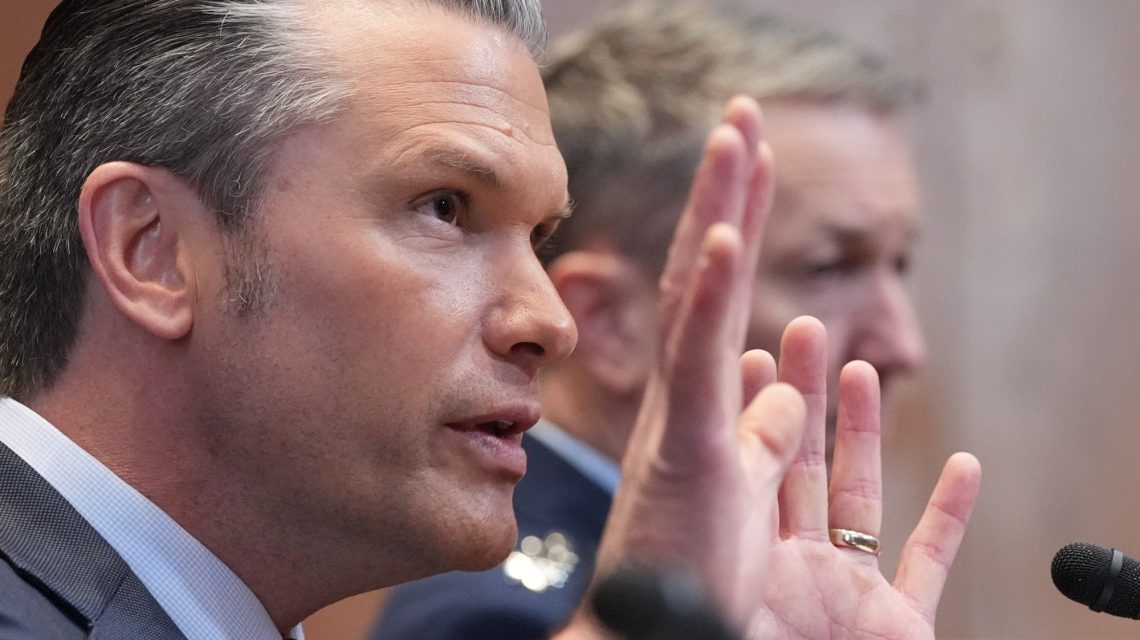
Defense Secretary Pete Hegseth recently addressed the Senate Appropriations Defense Subcommittee, emphasizing the need for Congress to approve a $1.5 trillion defense budget. He argued that a failure to pass the full budget could endanger U.S. national security. Hegseth highlighted potential threats, portraying worst-case scenarios to justify increased defense spending.
However, there are concerns that this large budget could weaken rather than strengthen the nation. Critics point out that the proposed spending does not align with America’s strategic objectives. Despite the numerous threats, the budget maintains funding for outdated systems, such as the B-1B bomber and Minuteman III missile. These systems do not enhance security but instead represent significant financial waste.
Moreover, there is a push for additions to the U.S. arsenal, including battleships and national missile defense systems. Some experts argue these are wasteful and could provoke adversaries into launching pre-emptive strikes to overcome these defenses. Rather than these investments, funds could be better utilized in areas like munitions production.
The Trump administration minimizes the long-term costs of increased defense spending, specifically the interest from federal borrowing. This perception allows avoidance of immediate tax increases or social service cuts, deferring financial burdens to future generations. The U.S. has already borrowed for the Global War on Terror and the Iraq War, which will eventually require difficult choices between social programs and defense cuts for repayment.
The proposed defense budget could degrade economic strength, with defense spending generally considered economically inefficient. Proponents note that a small GDP percentage is allocated for defense, suggesting room for growth. This reasoning ignores the potential savings if the allocated billions went to higher national priorities.
Critics, including defense analyst Benjamin D. Giltner, believe that a reduction in the defense budget could benefit U.S. security and economic power. By avoiding unnecessary military engagements and commitments abroad, the U.S. could safeguard its economic capacity. Money and robust infrastructure are crucial for military strategy in conflicts.
The analysis concludes that prioritizing economic strength will support national security. Redirecting funds from unnecessary programs can help achieve these goals, ensuring the government efficiently serves its citizens.
© 2026 Nexstar Media Inc. All rights reserved. This material may not be published, broadcast, rewritten, or redistributed.
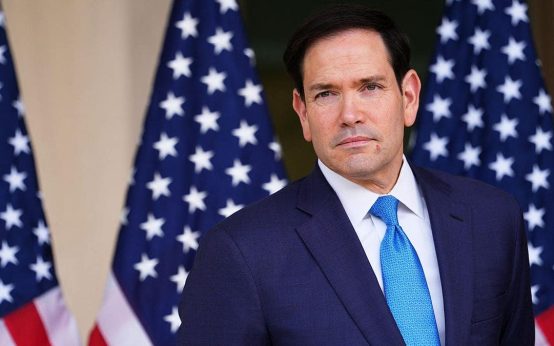 Marco Rubio’s Expanding Role in Trump Administration
 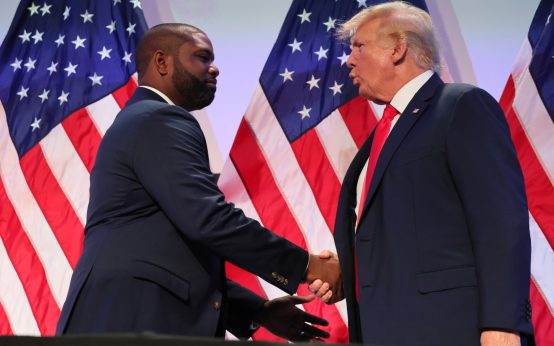 Byron Donalds Adjusts Campaign Strategy as Florida Governor Race Intensifies
 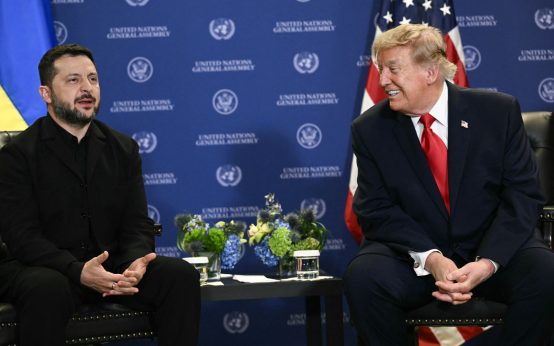 Trump’s Engagements at the UN: Focus on Ukraine and White House Developments
  Collins Faces Scrutiny in Tight Maine Senate Race Amid Donor Allegations
  Trump’s Vision for Global Security: Iran, AI, and the Role of the U.S.
  Nevada Attorney General Faces Questions Over Clemency Bid