Economic Concerns Growing Before Midterms
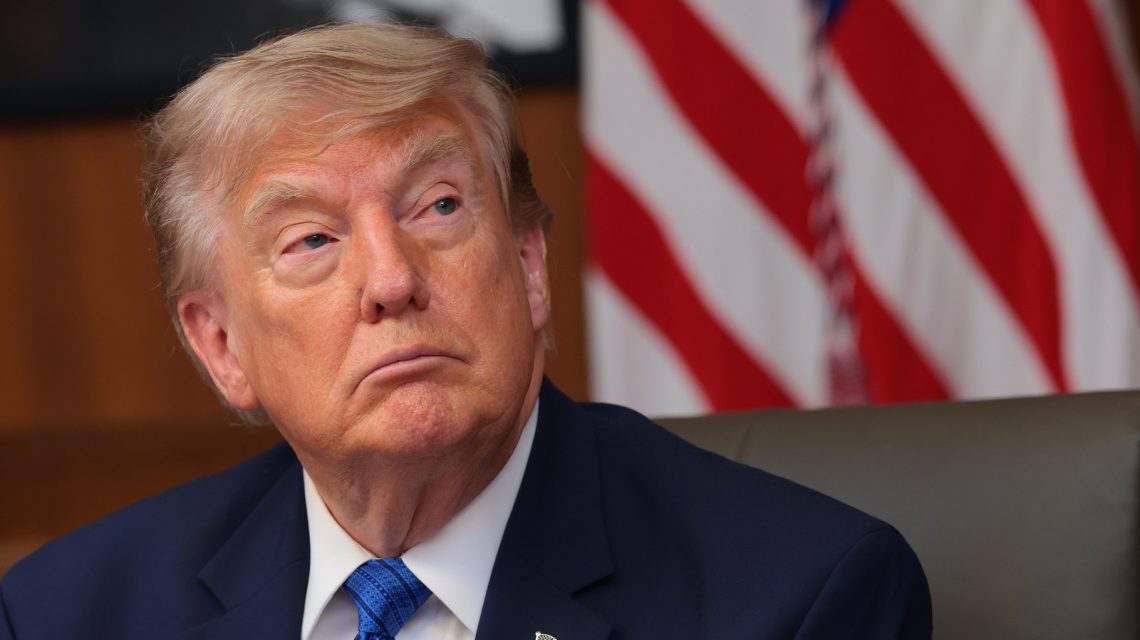
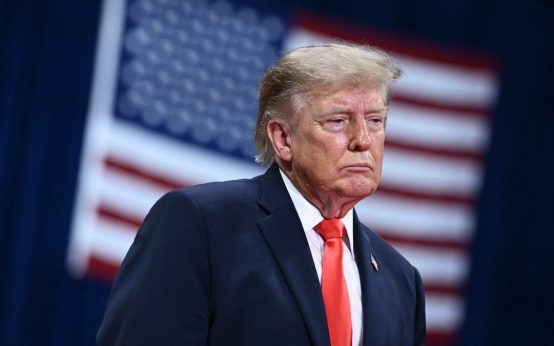
President Donald Trump faces new challenges with the U.S. economy, just 70 days before the 2026 midterm elections. Recent polls show increasing frustration among voters regarding his administration. The Conference Board announced a decrease in its Consumer Confidence Index, which dropped to 89.4 in August from 90.2 in July. Dana M. Peterson, the Chief Economist, noted that consumers feel pessimistic about business conditions and the labor market in the coming months.
The upcoming midterms are often seen as a reflection of a president’s handling of critical issues. This year, economic concerns like inflation are at the forefront. Democrats see Trump’s falling approval ratings as an opportunity to challenge Republicans in traditionally conservative areas.
White House spokesperson Kush Desai argued that consumer spending and retail sales data show the American consumer remains strong, crediting Trump’s economic policies. Desai added that continued policies and investments promise further progress.
Shifts in Consumer Confidence and Perceptions
The Consumer Confidence Index decline of 0.8 points reflects ongoing inflation concerns. Reports indicate growing pessimism about prices, particularly oil and gas, and about war/conflict and jobs. Despite this, Present Situation Index data improved due to positive employment perceptions, with more consumers finding jobs “plentiful.”
Columbia University’s Robert Y. Shapiro highlighted that voter perceptions of economic conditions are solidifying. He emphasized the need for policy changes like tariff adjustments to improve the economy and voter sentiment.
Recent Polls on Trump’s Popularity
Recent polls indicate a decline in Trump’s approval ratings. A survey by YouGov and The Economist found 36% approval for Trump versus 57% disapproval. A Reuters/Ipsos poll showed 65% disapproval. Meanwhile, Echelon Insights polling showed 40% approval, with Morning Consult indicating a similar negative trend.
Trump has criticized these polls, labeling them as “fake” aimed at demoralizing Republicans. He claimed that internal numbers are positive and reflect high national morale.
Impact on the Midterms
The economy’s status is pivotal for the midterms. Issues of affordability dominate Democratic campaigns, contrasting with Trump’s promotion of a strong economy. Yet, polls show most Americans remain dissatisfied. According to YouGov, economic concerns are paramount for voters, with inflation and prices being top issues.
Only a small percentage view the economy as excellent or good, with the majority finding it fair or poor. While Democrats claim better economic management, perceptions remain split, and many believe the situation is deteriorating.
Democrats are seen as likely to reclaim the House, needing only a few seats due to a narrow Republican majority. The Senate poses a greater challenge, requiring a four-seat flip for control, with specific opportunities seen in states like North Carolina and Maine.
Future Outlook
Consumer confidence will remain a key focus as the midterms approach, heavily influenced by economic issues. Both Trump’s approval and economic conditions will likely shape voter perceptions and outcomes.
 Mississippi State Auditor Shad White Announces Gubernatorial Bid
 Trump Dismisses Third Impeachment Prospects
 Custody Dispute Involving Rep. Max Miller Delayed
 Attorney General Addresses Post-Midterm Democratic Threats
 Senator Elizabeth Warren and the Future of Crypto Regulation
 Bipartisan Opportunities in Foreign Policy