Iran Vows Retaliation Against U.S. Sanctions
Iran has stated its intention to respond to the expanded U.S. sanctions. The U.S. should anticipate retaliation for the measures, according to Iran’s Economy Minister Ali Madanizadeh, who declared these actions an ‘economic terrorist attack.’ Since 1979, sanctions have been placed on Iran following the storming of the American embassy in Tehran by Iranian students.
During a televised interview late Monday by state media, Madanizadeh revealed that China and Russia have not shown interest in joining the U.S. sanctions. Chinese Foreign Ministry Spokesperson Lin Jian expressed opposition to what he termed ‘illegal unilateral sanctions.’ Madanizadeh emphasized that Iran’s response will not be merely defensive.
Tehran has been preparing for an economic confrontation, with a strategy in place for the coming years. Yet, specifics of the plan remain undisclosed.
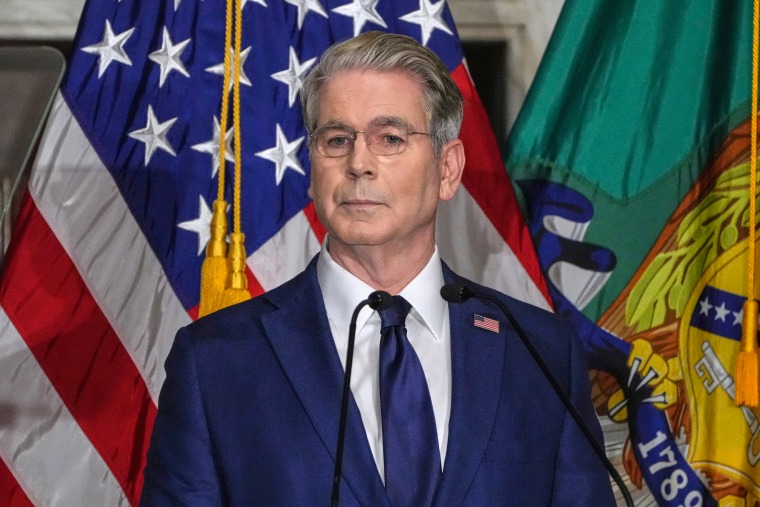
The U.S. Treasury Secretary Scott Bessent announced new sanctions on Iran. These moves were described as an ‘economic D-Day,’ with warnings against nations continuing financial partnerships with Tehran.
Though specific penalties were not imposed, President Donald Trump has been reaching out to global leaders, urging them to discontinue interactions with the Iranian regime.
The U.S. Department of the Treasury launched ‘Operation Economic Outcast,’ expanding sectors subject to future sanctions. Critical areas affected include digital assets, technology, gold, aviation, and shipping. Additionally, 60 entities, individuals, and vessels have been sanctioned for supporting Iran’s risky behavior.
With the United Arab Emirates ceasing its financial transactions with Iran, locals in Tehran show little concern over these announcements. Farzin, a mechanic, notes that U.S. sanctions have not significantly disrupted his business, with car parts still entering the country through various routes, often through land borders.
Farzin commented, ‘The psychological effect is worse than the actual outcome,’ highlighting how parts continue to flow into Iran naturally, both legally and illegally.
Tehran’s defiance suggests that the intended behavioral impact of the U.S.’s ‘Economic D-Day’ falls short of expectations. Instead of compromising, Tehran views these actions as ‘economic warfare’ against its regime.
Iran’s President Masoud Pezeshkian urges the U.S. to modify its conduct towards Iran, warning that reliance on force will only complicate matters.
Escalating tensions focus on the Strait of Hormuz, a vital oil route, which has experienced a blockade due to Iran’s actions. The blockade has escalated energy prices, prompting U.S. measures in Iranian ports.
King’s College lecturer Andreas Krieg suggests Iran’s strategy aims to make sanctions burdensome worldwide, despite the inevitability of their enforcement by Washington.
Finally, Iranian media’s threats against Barron Trump highlight fears of intensified conflict rhetoric, putting increased strain on U.S.-Iran relations. The U.S. Secret Service remains vigilant, addressing potential threats to protectees.
 Inside the Secret Deals Powering the President’s Push to Deport Migrants to Countries Not Their Own
  Navigating the Challenges of Third-Country Deportations
  Midair Altercation on Bangladesh to London Flight
 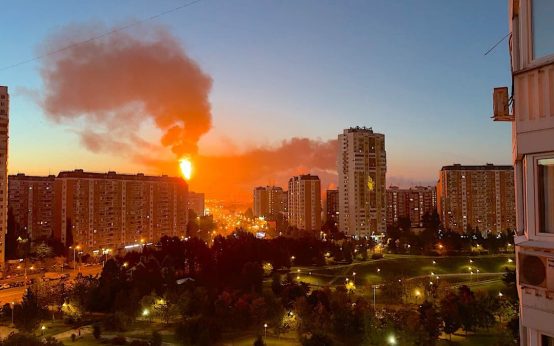 Ukraine Missile and Drone Barrage Hits Russia Amidst Elections
  U.S. Strategic Goals Remain Unmet Amid Prolonged Conflict
  New Photos Reveal Damage from Iranian Strikes in the Middle East