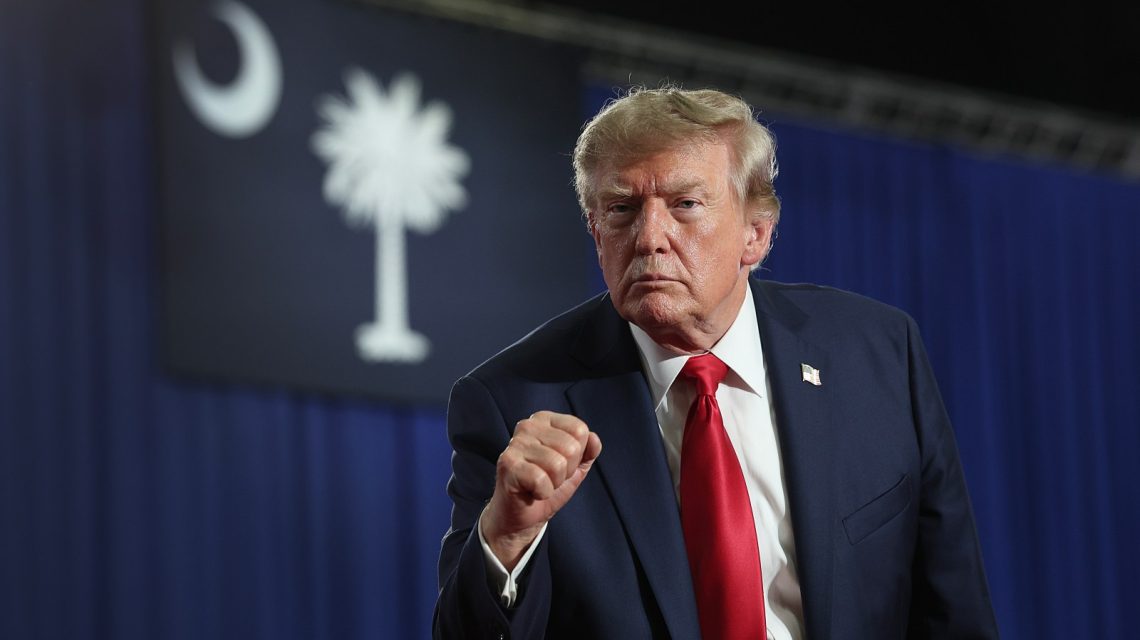
The Supreme Court’s recent decision has opened a path for the potential implementation of former President Donald Trump’s executive order to limit mail-in voting before November’s midterm elections. This ruling temporarily lifts a lower court’s block, but it remains uncertain how much of the order will be executed before the elections. Mail-in voting continues to be significant in the U.S., although its prevalence varies widely across states.
A 2025 report from the U.S. Election Assistance Commission (EAC) revealed that 30.3 percent of voters used mail-in ballots in the 2024 elections. Over 66 million mail ballots were issued across the country, with 72 percent returned. Notably, 99 percent of these returned ballots were successfully counted.
The report highlights the Western U.S. as having the most significant mail-in voting, with some states automatically sending ballots to all registered voters. Oregon led with 99.3 percent of votes cast by mail in the 2024 election, followed by Washington, Utah, and Colorado. In contrast, several Southern and Midwestern states reported lower mail-in voting rates due to strict identification laws and restricted access. West Virginia reported 2.9 percent of votes cast by mail, while Texas had 3.3 percent.
It’s crucial to monitor how voters cast their ballots, as the midterm elections on November 3 decide Congressional control.
Trump has consistently criticized mail-in voting, citing potential fraud, despite studies suggesting such fraud is rare. For instance, the Brookings Institution identified about four fraud cases per 10 million mail votes from 2016 to 2022. Democrats are generally more inclined to vote by mail, with more than a third estimated to have done so in 2024, compared to a quarter of Republicans, according to the States United Democracy Center.
Trump’s executive order, issued in March, directed federal agencies to list eligible voters and restricted the Postal Service to delivering ballots only to listed individuals. The order faces legal challenges from Democratic officials who argue that election authority rests with states and Congress. They fear the changes could cause disorder and partisanship.
The Supreme Court’s 6-3 decision did not settle the legality of Trump’s order. However, it ruled that states and the District of Columbia lacked the legal standing to challenge it. The Court emphasized that further measures by the Government could still face legal scrutiny. Justice Ketanji Brown Jackson, in her dissent, cautioned about potential confusion and disorder in the upcoming elections. The White House considered the ruling beneficial for election security.
Democratic leaders, including California Governor Gavin Newsom and Pennsylvania Governor Josh Shapiro, have sharply criticized the ruling and vowed to continue legal battles. They argue for protecting voters’ access to mail-in ballots, emphasizing state control over elections.
On the judicial front, a separate nationwide injunction continues to block Trump’s executive order. U.S. District Judge Indira Talwani recently granted an injunction, maintaining the status quo for the midterm elections. Although the Supreme Court ruling paves the way for further challenges, alterations to mail-in voting procedures could face time constraints.
 Inside the Secret Deals Powering the President’s Push to Deport Migrants to Countries Not Their Own
  Independence of Research from Political Agendas
  Sen. Roger Marshall Denies Allegations of Political Attack
  Concerns About Food Safety Reach Critical Levels
 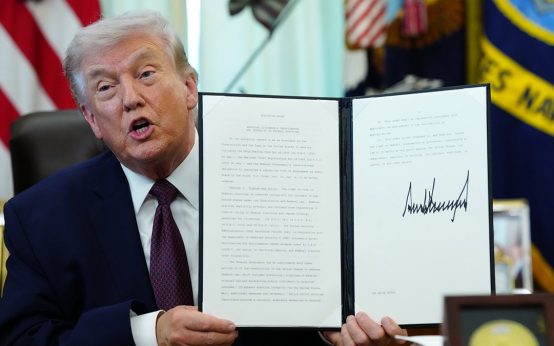 Court Blocks Trump’s Mail-Ballot Rules Ahead of Elections
  A Mother’s Tragic Journey Under Abortion Ban