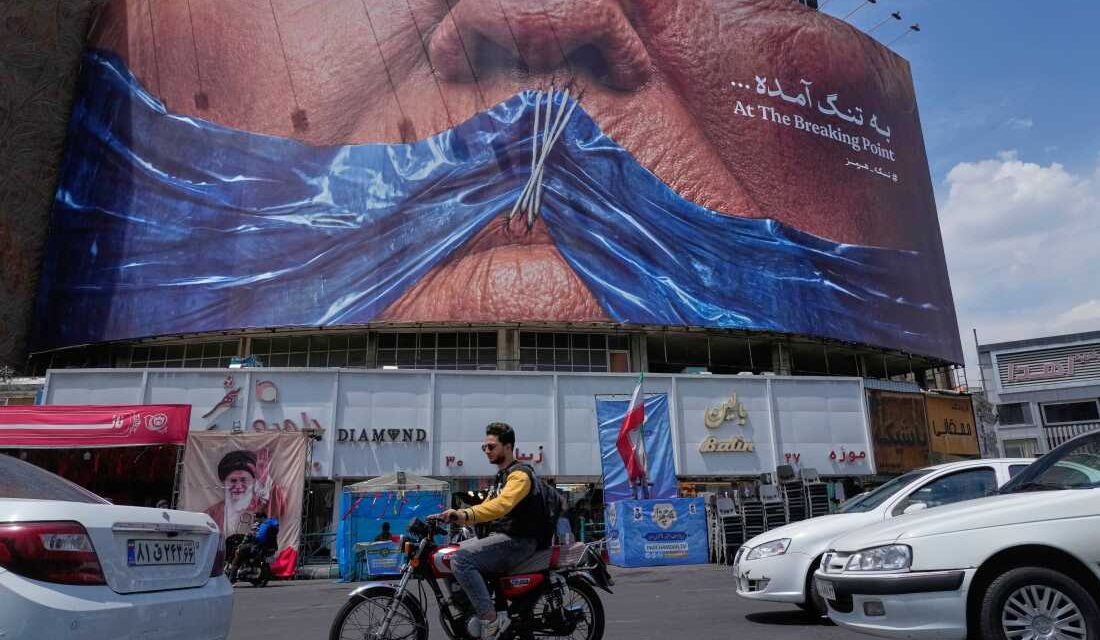
On May 2, vehicles passed a billboard in downtown Tehran, Iran, depicting the Strait of Hormuz along with an illustration of President Trump with sewn lips. This image reflects the heightened conflict between the U.S. and Iran. What started as a promised swift victory by President Trump in February has turned into an extensive and ongoing war.
Nearly six months have passed since the conflict began, exacerbating global economic instability. This situation has also strained relationships with Gulf allies and significantly depleted U.S. resources. Trump’s goals have shifted from addressing Iran’s nuclear ambitions to pushing for regime change, aiming to take control of the crucial Strait of Hormuz.
New Sanctions Campaign
Against this tense backdrop, U.S. Treasury Secretary Scott Bessent declared a new wave of sanctions against Iran. The aim is to cut off economic support for Tehran’s government completely. Bessent warned other nations engaged in trade with Iran that they risk facing isolation along with Iran.
Past administrations have attempted to pressure Iran through economic sanctions, but these efforts have often been circumvented by Iran’s smuggling operations. This raises questions about the effectiveness of a renewed sanctions campaign on Iran.
“Maximum pressure tends to generate maximum resistance from Iran’s side,” says Esfandyar Batmanghelidj, chief executive of the Bourse & Bazaar Foundation.
Recent retaliations by Iran’s Islamic Revolutionary Guard Corps include missile attacks on U.S. Gulf allies. In particular, the United Arab Emirates has ceased trade and financial interactions with Iran.
International Response and Challenges
The success of the sanctions largely depends on whether countries like China, a major purchaser of Iranian crude oil, will cooperate with U.S. efforts. China’s Ministry of Foreign Affairs opposes unilateral sanctions, emphasizing that pressure tactics will not resolve issues.
Despite a U.S. naval blockade reducing oil imports by approximately 40%, China’s potential response to U.S. demands remains uncertain. Imposing sanctions on significant Chinese entities could jeopardize broader trade agreements. This dilemma underlines the risks and complexities of U.S. strategies.
“If we impose sanctions, we might lose chances for any trade deal with China,” says Richard Nephew, a former lead sanctions expert on the U.S. negotiating team with Iran.
Consequences in Iran
The economic strain is clearly felt in Iran, with reports of medical shortages and financial disruptions due to the blockade and long-standing sanctions.
“My neighbor’s father cannot receive the cancer treatment he needs,” shared a Tehran resident, reflecting the scarcity of resources and the impact on everyday life.
The Iranian government has acknowledged the toll, with shipping costs soaring amid the blockade. Iran’s security chief Mohsen Rezaei has warned of potential reprisals against countries siding with U.S. measures.
“Either everybody enjoys the wealth of this region or no one will,” asserts Foad Izadi, a Tehran analyst.
The unfolding scenario is one where neither side is willing to relent, raising the stakes in a mutually destructive economic battle.
 The Cost of Challenging Beijing
 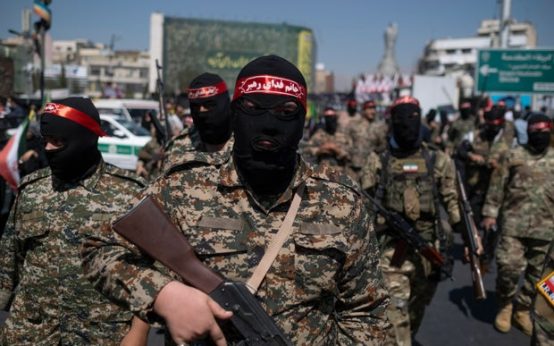 Tensions Escalate in Iran Conflict as Global Leaders Weigh Options
 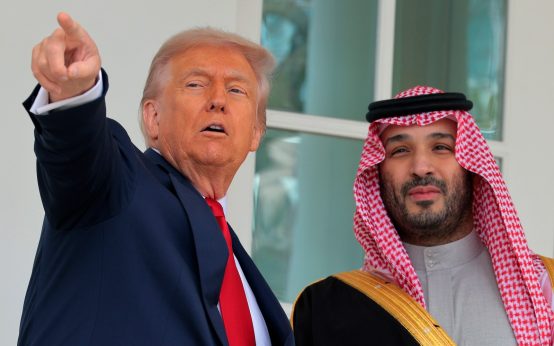 White House Approves F-35 Sales to Saudi Arabia Amidst Regional Tensions
  Inside the Secret Deals Powering the President’s Push to Deport Migrants to Countries Not Their Own
  Navigating the Challenges of Third-Country Deportations
  Midair Altercation on Bangladesh to London Flight