
In the early 20th century, Congress was tasked with the regulation of broadcasting due to the advent of radio. This decision represented a pivotal moment in determining how communication over this new medium would be controlled.
Lawmakers faced two options: extending traditional private property concepts to radio or adopting a different approach. The latter, a quasi-socialist model, opened the door to government intervention aimed at controlling speech and freedom.
The choice made during this period had lasting effects, setting the stage for how governments address media and communication technologies today.
 Media Outlets Sue After White House Ban
  American Public Opinion on Press Freedom
  Media Lawsuit Against Trump Administration for White House Ban
  The Cost of Challenging Beijing
  Analyzing Midterm Elections and Party Dynamics
 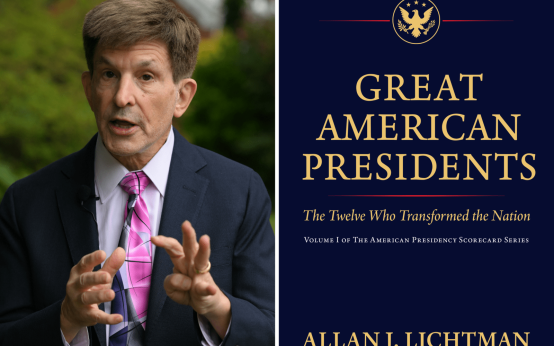 Allan Lichtman’s Framework for Assessing Presidential Greatness