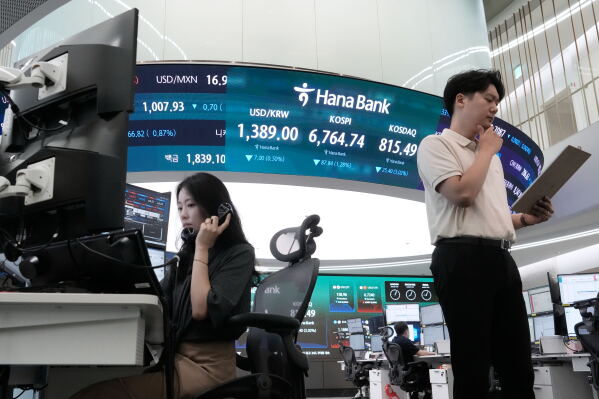
Artificial intelligence (AI) is rapidly transforming the job landscape in China. Computer programmer Fei Zhaojun experienced this shift firsthand when he was laid off, along with 160 of his colleagues, as his employer considered the potential of AI in coding. This scenario reflects the broader changes in China’s job market, driven by AI adoption and government policies.
AI and Employment Concerns
AI’s integration into various fields, from programming to scriptwriting, is causing job displacement and apprehension among workers. Shujing He, a senior analyst at Plenum, noted that in China, there is less resistance to AI, with many individuals showing curiosity or a positive outlook. As a result, those affected by AI often explore new ventures or AI-enabled businesses.
Fei’s skepticism about AI’s programming capabilities changed when he found himself jobless. He now produces short videos during his career break, hoping to touch lives through ordinary storytelling.
AI’s Widening Influence
AI’s impact extends beyond coding jobs; part-time translator Du Qinchun is assisting in training AI for translations. AI-powered translation tools have decreased demand in traditional foreign language programs, and there has been a steep rise in Chinese industrial enterprises using AI models, according to IDC.
Innovations include humanoid robots sorting parcels, directing traffic, and making coffee. Food delivery robots are also gaining traction, causing concern for food delivery workers.
AI and Gender Disparities
A report by the International Labor Organization highlights that women are more at risk of job loss due to AI, as they often work in areas prone to automation. This situation underscores the need for addressing gender disparities in employment.
The Economic Implications of AI
Under the “AI Plus” initiative, China is aggressively integrating AI across industries to enhance competitiveness with the U.S. Economic growth, however, is a challenge as consumer spending slows amid job insecurity and a struggling housing market.
Although AI could increase productivity, it also presents a threat to employment stability. Researchers like Eswar Prasad of Cornell University warn of potential social instability as tech firms reduce or restructure jobs due to AI advancements.
Despite high urban unemployment rates, some experts predict that automation might compensate for China’s demographic changes, potentially reducing unemployment as the population ages.
Adaptation and New Opportunities
Some workers embrace AI for new possibilities. Former scriptwriter Wang Zhicheng now uses his skills to create children’s books, utilizing AI for brainstorming while maintaining human oversight.
Chemistry teacher Yang Zheng supports AI as a useful educational tool, helping students with on-the-spot assistance, despite occasional errors. Ultimately, while humans continue making key decisions, AI provides enhancements across various sectors.
 Addressing Artificial Intelligence Threats Beyond Politics
  The Changing Nature of Google Search Responses
  The Rise of Digital Platforms as Musical Venues
  The Democratic Response to AI Regulation
 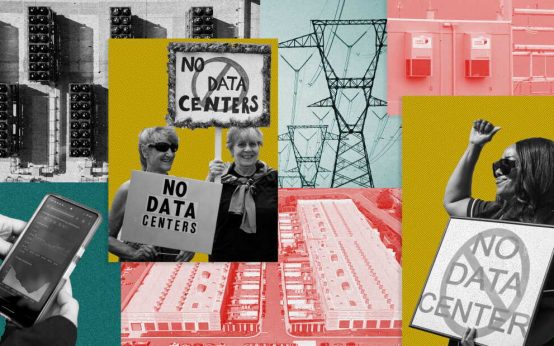 Debate Over Data Centers Sparks Political Divides in American Communities
  Trump’s AI Strategy Sparks Debate Amid Regulatory Concerns