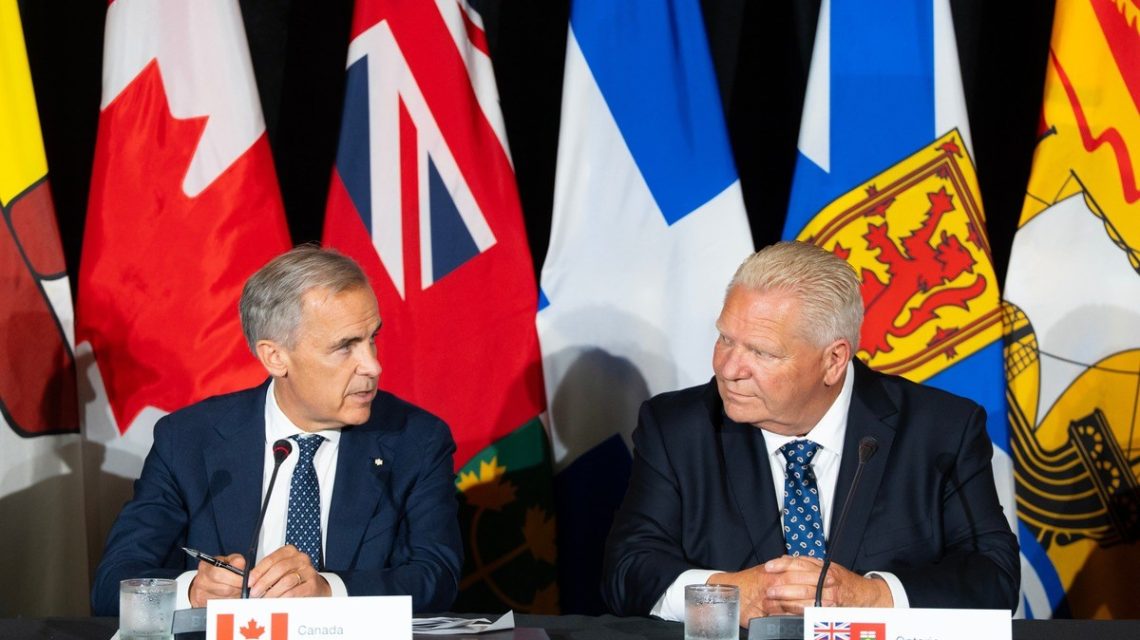
Ontario Premier Doug Ford has publicly urged for the imposition of retaliatory tariffs on specific U.S. states following a breakdown in trade discussions between Canada and the United States. Ford’s call targets imports from Alabama, Arkansas, Florida, Iowa, Missouri, Montana, Texas, and Wisconsin due to their political significance to the current U.S. administration’s support base. This request was outlined in a letter to Canadian Prime Minister Mark Carney.
The letter, dated August 17, gained widespread attention over the weekend before the trade discussions collapsed. Carney acknowledged the trade situation had devolved into a ‘war’ after the U.S. presented last-minute, ‘unfair’ changes to the agreement. In response, Canada suspended trade negotiations and withdrew negotiators from Washington.
The U.S. retaliated by enacting a new 50 percent tariff on various Canadian goods, impacting approximately $20 billion in Canadian imports. Carney criticized this levy as a ‘miscalculation’. Over 75 percent of Canadian goods are exported to the U.S., whereas Canada ranks as the U.S.’s second-largest export market, coming in just behind Mexico.
The two economies are tightly connected, with the U.S. relying on Canada for energy and essential mineral supplies. Historically, Canada has imported motor and auto parts, heavy machinery, and electrical equipment from the U.S. The Canadian government initiated an expansion into new markets in 2025, causing a decline in U.S.-Canada trade flows for the first time in a decade, excluding the coronavirus period.
Statements made by President Donald Trump, such as referring to Canada as the 51st U.S. state, have angered Canadians and fueled support for Carney, who rose to power amid rising anti-U.S. sentiment. Trump remarked provocatively that Canada desires state benefits without the formal status.
Carney’s statement on the termination of negotiations noted, ‘America has changed. We will not return to our old relationship.’ Ford emphasized Ontario’s intention to utilize every available tool, expressing hope that other provincial leaders would share this resolve.
The Canadian government announced ‘dollar for dollar counter-tariffs’ set to commence in September. Carney stated these measures are enacted reluctantly, recognizing certain U.S. companies and states as unwilling victims in this dispute.
“We never started this fight, but I can assure you, we’re going win this fight,” Ford told reporters.
U.S. officials such as Maine Senator Susan Collins expressed concern over the impact of trade tensions on local businesses, whereas Vermont Congressman Peter Welch labeled the tariffs a ‘slap in the face’ to various stakeholders.
There had been optimism for a trade deal earlier in the week, according to statements by Canadian Minister Dominic LeBlanc. However, the U.S. Trade Representative’s office accused Canada of reneging on an agreed deal and altering previous commitments. Canada was allegedly poised to receive advantageous treatment under the proposed agreement.
Analyzing trade links, Alabama stands as Canada’s largest export partner, sending $4.3 billion in goods, primarily transportation equipment and metals. Arkansas sends $1.3 billion north, ranking Canada as its second-largest partner. Florida’s exports to Canada totaled $5.6 billion, while $5 billion of Iowa’s exports comprised agricultural products and chemicals. Missouri exported $6.7 billion, focusing on machinery. Montana directed 50 percent of its exports, valued at $1 billion, to Canada.
In Texas, Canada was the second-largest market, receiving nearly $35 billion of goods. Wisconsin’s exports to Canada were valued at $7.6 billion. These figures highlight the substantial business relationships between these states and Canada.
 The Cost of Challenging Beijing
 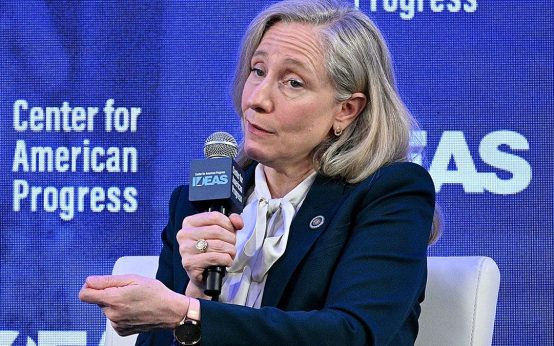 Analyzing Midterm Elections and Party Dynamics
 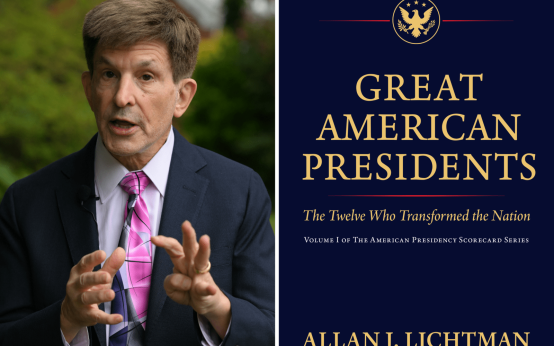 Allan Lichtman’s Framework for Assessing Presidential Greatness
  Tensions Escalate in Iran Conflict as Global Leaders Weigh Options
 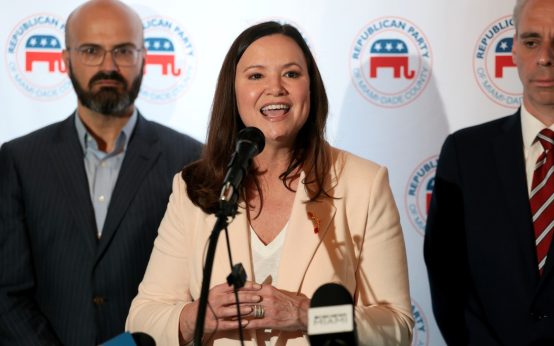 Florida Senate Race Tightens as Recent Polls Show Dead Heat
  Ethics Complaint Targets Colorado Representative Lauren Boebert