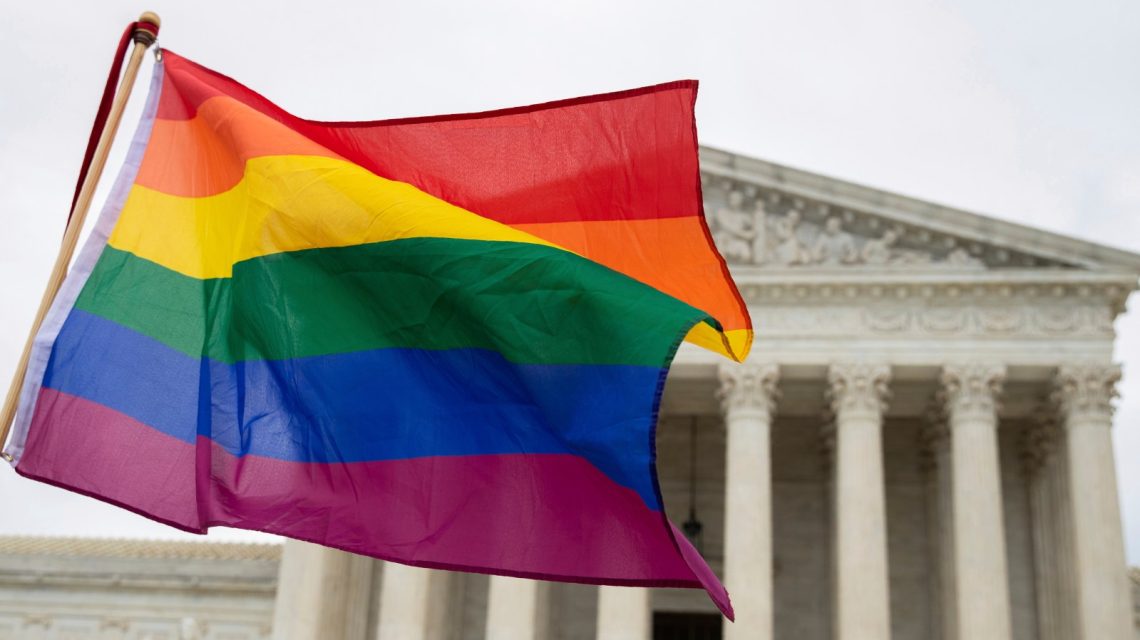
Growing Visibility and Population
A recent study by the Human Rights Campaign Foundation (HRC) indicates that the number of Americans identifying as LGBTQ+ has reached unprecedented levels. Over 25 million U.S. adults, which equates to 12% of the adult population, now identify as lesbian, gay, bisexual, transgender, or queer. This marks one of the highest estimates of LGBTQ+ individuals in the country to date. Previous data, such as a 2025 Gallup poll, noted that approximately 9% of adults identified as LGBTQ+.
The report suggests substantial growth in both visibility and size of the LGBTQ+ community across the United States.
Regional Concentrations
According to the HRC analysis, LGBTQ+ individuals represent over 10% of adults in 40 out of 50 states. Some areas, including the District of Columbia and states like Washington, Oregon, California, and Alaska, report populations where 14% or more identify as LGBTQ+. The District of Columbia alone reports that 22.6% of adults identify this way.
California holds the largest LGBTQ+ population with over 3.1 million adults, followed by Texas at approximately 2.2 million. Florida and New York each have populations exceeding 1.6 million that identify as LGBTQ+.
Demographics
The HRC findings reveal diverse demographics within the LGBTQ+ community. Around 65% of LGBTQ+ adults identify as bisexual, 30% as lesbian or gay, while about 5% are straight-identifying transgender or gender-expansive adults. A significant segment, about 54%, is younger than 35.
Hispanic adults constitute a notable 18% of this population, compared to 13% of the non-LGBTQ+ population. Meanwhile, Black individuals account for approximately 9% of LGBTQ+ adults.
Data Collection and Analysis
These estimates arise from an analysis of about 2.2 million responses received through the U.S. Census Bureau’s Household Pulse Survey from 2021 to 2024. The survey data facilitates estimating the number and proportion of adults identifying as LGBTQ+ across states and metropolitan areas.
HRC’s analysis serves as an expansive portrayal of the LGBTQ+ population in the U.S. The organization highlights the importance of data collection in understanding community needs.
Recent federal movements to exclude sexual orientation and gender identity questions from surveys could impede future data accumulation efforts, according to advocates.
Shifting Attitudes
Public support for some LGBTQ+ issues has waned, correlating with intensified political clashes over transgender rights, which have gained attention from both state and national political entities. Discussion around transgender athletes, gender-related healthcare for minors, and gender identity in educational settings appear to contribute to the polarized views.
Issues such as books on LGBTQ+ themes and class discussions on sexual orientation are prominent in local debates. Advocacy groups suggest heightened political focus on transgender matters may influence emerging negative perceptions.
Some political figures argue that while equal rights for gay and lesbian Americans have widespread support, topics like youth gender transition and transgender athletes in sports pose concerns.
Same-Sex Marriage Perspective
Though some LGBTQ+ issues have seen support diminish, the acceptance of same-sex marriage remains notably higher than prior to the 2015 Supreme Court ruling. Recent Gallup surveys indicate 65% support for same-sex marriage, down from 71% in 2022-2023 but greater than the 60% seen in 2015.
Support for same-sex relationships being ‘morally acceptable’ has decreased, with recent figures at 62%, the lowest since 2016. Another survey from the Public Religion Research Institute (PRRI) confirms a decline, yet maintains majority support.
Political affiliations reveal Republican support at 49%, contrasted with 83% among Democrats and 69% of independents. Two states, Mississippi and Arkansas, show minority support for same-sex marriage at 47% and 50%, respectively.
High support levels are noted in Massachusetts, Rhode Island, and Vermont.
Some Republican legislators have recently rekindled efforts challenging the 2015 Obergefell v. Hodges decision, pushing for the definition of marriage to strictly be between a man and a woman.
 Los Angeles Councilmember Nithya Raman Calls for Leadership Change Over Immigration Raids
  Trump and the French School Protests
  Trump and Waltz Point to Immigration in France’s Riots
 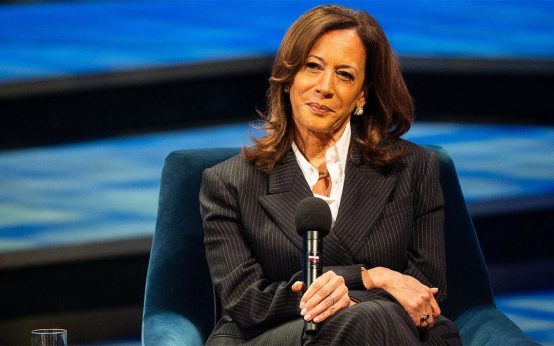 Debate Surrounds Kamala Harris’s Potential 2028 Presidential Run
  Illegal Migrants and Violent Crimes: A Focus on Recent Incidents
  James Talarico’s Bid for Texas Senate Gains Celebrity Support