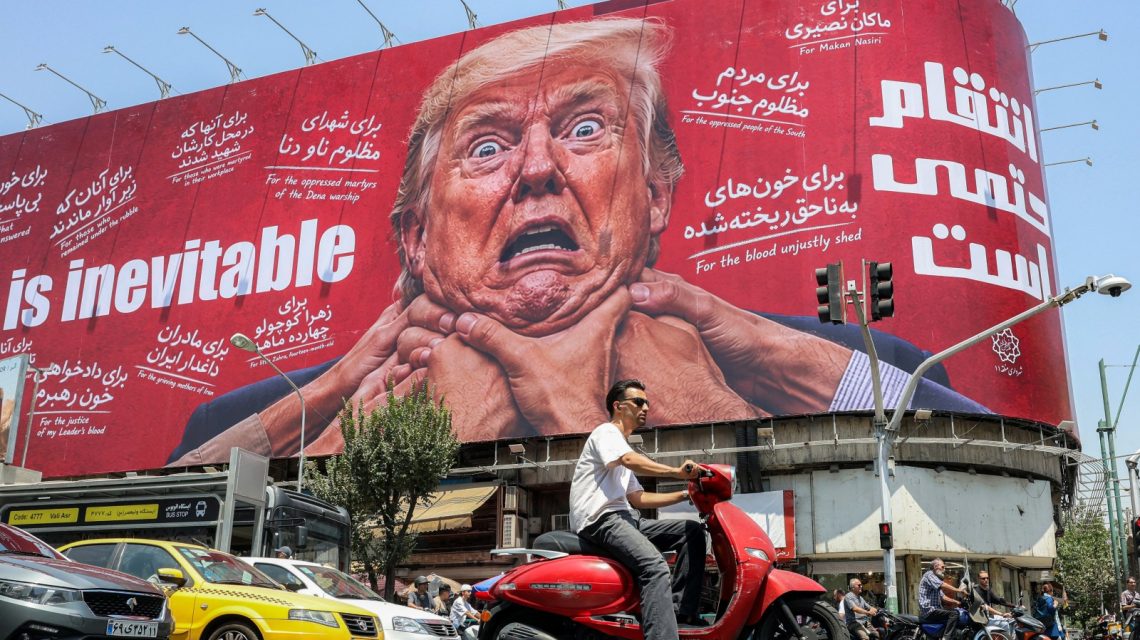
President Donald Trump has issued a stark warning to Iran, threatening unprecedented economic measures against the country. This comes as part of his administration’s efforts to pressure Tehran into submission. Recently, Trump mentioned a potential large-scale attack, then reconsidered, opting for diplomatic routes instead.
Although talks were reported as positive, Trump has now ceased negotiations with Iran until they are ready to strike a deal. Amid these developments, Trump’s threats have little effect in Iran, where calls for escalation are growing. According to Mehran Kamrava, a Georgetown University professor, Iranian leaders largely dismiss Trump’s threats. However, the absence of resolution is seen as untenable, prompting calls for military action as a solution.
“The danger is that without meaningful dialogue, voices within Iran advocating for military escalation gain strength,” Kamrava said.
Trump’s rhetoric, marked by shifts and strong statements, mirrors the “madman theory” often associated with Richard Nixon. The theory implies unpredictability could lead targets to capitulate. While Trump’s past strikes, such as the killing of Major General Qassem Soleimani, have shown his resolve, Iran demonstrates its resilience. Iran has effectively responded by leveraging the Strait of Hormuz to impact global economies and strengthen military capabilities.
Iran’s Foreign Minister Abbas Araghchi considers Trump’s economic threats as diversions from U.S. economic issues. Meanwhile, Iran’s military is reportedly enhancing weaponry. Both nations rely on ambiguity, which complicates diplomacy yet maintains leverage. Mohsen Milani from the University of South Florida highlights the deterioration of U.S. credibility due to unpredictable strategies.
“Both sides find ambiguity advantageous; however, unpredictability breeds leverage while unreliability damages credibility,” Milani stated.
Amid strained relations, the United Arab Emirates, a major Iranian trade partner, announced halting transactions with Iran, citing Iran’s ballistic missile threats. Iran denied involvement, accusing the U.S. and Israel of plotting against them.
Trump advances with plans imposing economic consequences for trade with Iran, but skepticism surrounds these actions. Years of sanctions have not yielded expected strategic gains for the U.S., while Iran remains resilient. Former State Department official Jon Alterman notes Iran’s long-standing readiness for conflict and sees current tensions as pivotal.
“Iran perceives the situation as sustainable, enduring attacks from world powers while gaining credibility,” Alterman remarked.
With pressure mounting on the U.S., facing domestic tensions and stockpile concerns, Iranian officials view the conflict as an opportunity. They believe regional states suffer economically, and the U.S. faces internal challenges. Iran aims to ensure future security, destabilize sanctions, and secure economic growth through Hormuz.
Ultimately, the Iranian leadership sees this period as crucial, demanding patience and resolve to achieve lasting goals. Talks with the U.S. might conclude over minor issues rather than comprehensive solutions.
 California’s Demographic Shifts: A Closer Look
  Israel Marks Tragic Anniversary Amid Political Turmoil
  Israel Commemorates Third Anniversary of Hamas-Led Attacks
  Immigration Policies and Their Impact on Afghan Refugees in the U.S.
 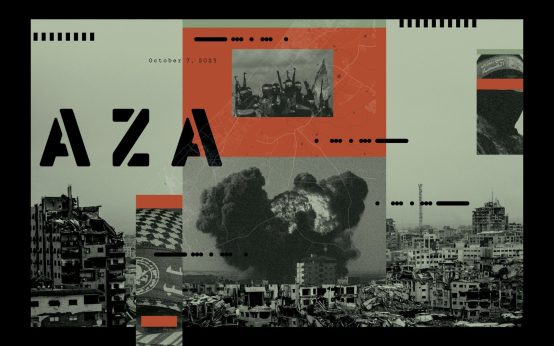 The Impact of October 7 and Its Aftermath
  U.S. Embassy Monitors Suspected Plague Case in Russia’s Irkutsk Region