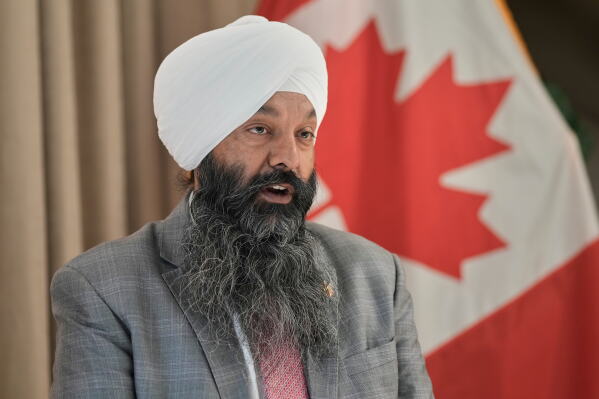
Canada and the United States are edging closer to finalizing a trade deal aimed at circumventing proposed 50% U.S. tariffs. A high-ranking Canadian official labeled the emerging terms as ‘a very good deal for Canada’ while cautioning that discussions are ongoing. President Donald Trump deemed the agreement ‘very fair’ for both sides and foresaw benefits for U.S. farmers and manufacturers. The tariffs on about $20 billion of Canadian goods are postponed until Saturday at 12:01 a.m.
The Canadian official mentioned the potential deal would bring stability, safeguard Canada’s dairy sector, and protect jobs at risk due to new tariffs. It would also maintain trade terms that Ottawa considers favorable. Prime Minister Mark Carney suggested to provincial premiers to resume U.S. alcohol sales, addressing a major U.S. trade complaint. Nova Scotia Premier Tim Houston acknowledged this, although the impact on Canadian purchases of U.S. alcohol remains uncertain.
Tariffs and Trade Dynamics
Last month, Trump employed an unprecedented legal authority from the Great Depression era to declare 50% tariffs on $20 billion of Canadian exports, affecting around 5% of the total. Items range from sporting goods to medical supplies. Trump claims Canada discriminates against U.S. autos, alcohol, and cheese, with Canada and China retaliating when U.S. tariffs were applied to their products.
Focus on Agriculture and Dairy Markets
Details of the agreement stay vague, but Trump said Canada agreed to remove tariffs on U.S. agricultural products. He promised these tariffs will drop to zero. Currently, Canada permits a certain quantity of dairy imports at lower tariffs, with much higher rates imposed beyond that limit. U.S. officials argue Canada’s ‘supply management’ system limits American dairy producers’ market access.
Dominic LeBlanc, overseeing Canada-U.S. trade, assured that the agriculture sector remains protected, with supply management ‘not on the table’. Canada’s challenge lies in maintaining supply management while giving U.S. farmers the access they demand.
Canadian Gains and Domestic Focus
Although Canada hasn’t detailed U.S. tariff relief, the Canadian official said the agreement would avoid new tariffs, protect jobs, and preserve the U.S. market access Canada values. The deal allows Canada to prioritize its domestic economic agenda, such as infrastructure projects and export diversification beyond the U.S.
Provincial leaders indicated that any trade pact won’t signal a return to a prior economic relationship with the U.S. as changes are inevitable.
Reviving Keystone XL
During the tariff pause announcement, Trump mentioned the controversial Keystone XL pipeline might be reconsidered. The project, aimed at transporting Canadian crude to U.S. refineries, was declined by Obama, briefly revived by Trump, and rescinded by Biden. While not part of the current deal, its revival could align with longstanding Canadian objectives.
Addressing U.S. Alcohol Imports
Eight Canadian provinces restrict or ban U.S. alcohol after Trump’s former tariffs on Canadian goods, causing U.S. spirits exports to Canada to plummet by over 70%. Ontario is crucial, with its LCBO previously leading in U.S. product sales. The new deal includes Canada’s pledge to address these restrictions, but Carney can’t mandate provinces to restore sales. The overall backlash includes fewer Canadians traveling to the U.S.
Broader Trade Agreement Prospects
The U.S. seeks renegotiations for the US-Mexico-Canada Agreement, a pact previously pushed through by Trump. Mexico negotiations have started, but Canada discussions await. Resolving the tariff dispute may clear a path for broader trade talks. Wendy Cutler, a former U.S. trade negotiator, sees this as paving the way for formal U.S.-Canada negotiations.
Both countries want to prevent escalating trade tensions, particularly since Canada’s exports predominantly go to the U.S. The Trump administration might hesitate to implement a significant new tariff, affecting prices before midterm elections, as Americans already face high living costs.
Gillies contributed to this report from Toronto.
 Iran Strengthens Ties with Major Powers Amid U.S. Sanctions
  Prince Harry and Meghan Return to the UK
  Prince Harry and Meghan Markle’s Return to England
  Prince Harry and Meghan Markle Plan Return to the UK
  Israeli Military Announces Criminal Investigations into Conduct in Gaza
  Prince Harry and Meghan Markle Plan Return to UK