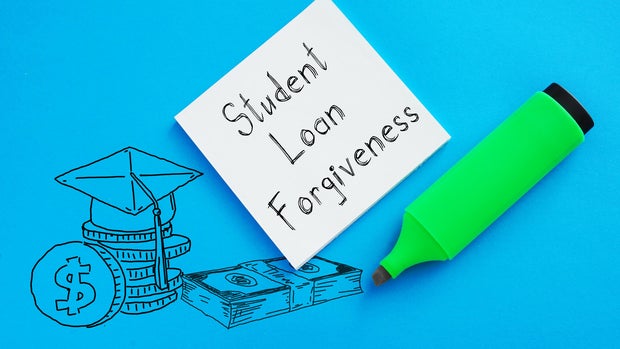
The student loan repayment environment has grown more complex, especially for those holding federal student loans. Major changes in the federal student loan system began on July 1, influencing new repayment plans and impacting debt management strategies for borrowers. Many are also assessing which relief programs apply to their current loans.
Federal and Private Loan Distinctions
Repayment considerations can be daunting if you have both federal and private student loans. You might have federal Direct Loans from undergraduate studies along with private loans for graduate school or refinancing needs. While these may appear under one category in your budget, they provide different repayment protections. This distinction is crucial when seeking loan forgiveness as the rules for federal and private loans differ significantly, affecting which balances qualify for relief.
Federal Student Loan Forgiveness Eligibility
Having private student loans doesn’t disqualify you from federal loan forgiveness. Eligibility depends on whether your federal loans meet specific forgiveness or discharge program criteria. Private loans are generally not eligible for these federal programs.
For instance, a borrower with $40,000 in federal and $20,000 in private loans might qualify to have some or all eligible federal debt forgiven while remaining liable for the private debt.
Potential routes for federal loan forgiveness include:
- Public Service Loan Forgiveness (PSLF): Eligible government or nonprofit workers can have the remaining balance on Direct Loans forgiven after 120 qualifying payments.
- Income-driven repayment forgiveness: Certain plans might forgive remaining federal loan balances after a designated repayment period, depending on the plan and loan borrowing date.
- Teacher Loan Forgiveness: Qualifying teachers may be eligible for partial federal loan forgiveness.
- Federal loan discharges: Borrowers might qualify for loan discharge due to total disability, school closure, or borrower defense.
Treatment of Private Loans
Private loans don’t fall under federal forgiveness programs. Lender-specific discharge provisions may exist for cases like borrower death or disability, but these depend on the lender. Federal protections are usually not mirrored by private lenders. Caution is advised when refinancing federal loans into private ones as this generally forfeits access to federal forgiveness and protections.
Options When Forgiveness is Unavailable
If you’re not eligible for forgiveness, consider separate strategies for federal and private loans. For federal loans, explore the latest repayment plans like the Repayment Assistance Plan (RAP) or Tiered Standard Plan. Your eligibility depends on the loan disbursement date. Compare current and alternative payments to find better options.
For private loans, inquire with your lender about hardship assistance, payment reductions, or other relief. Options vary among lenders.
Refinancing private loans could be beneficial if you qualify for improved terms due to your credit and income. Lower interest rates can reduce payments depending on chosen loan term. Avoid extending loan terms as this could raise interest costs.
You don’t have to refinance federal and private loans together. Keeping federal loans within their system while refinancing private ones may help lower rates without sacrificing federal protections.
Conclusion
Holding both types of loans complicates repayment but doesn’t eliminate forgiveness opportunities. The key is understanding your debt type and if it aligns with forgiveness program requirements. When forgiveness only partly addresses the issue, manage federal and private balances separately. Combine federal plans with private refinancing or hardship assistance for more manageable debt.
 Rethinking Woke Ideology in Universities
  Understanding Student Loan Forgiveness in 2026
  Peyton Houston Talks Faith, Family, and Football
  Why This Professor Lost Faith in Higher Education
  Corporal Punishment in Schools: The Debate and Its Implications
  Impact of Revised PSLF Credits on Federal Loan Forgiveness