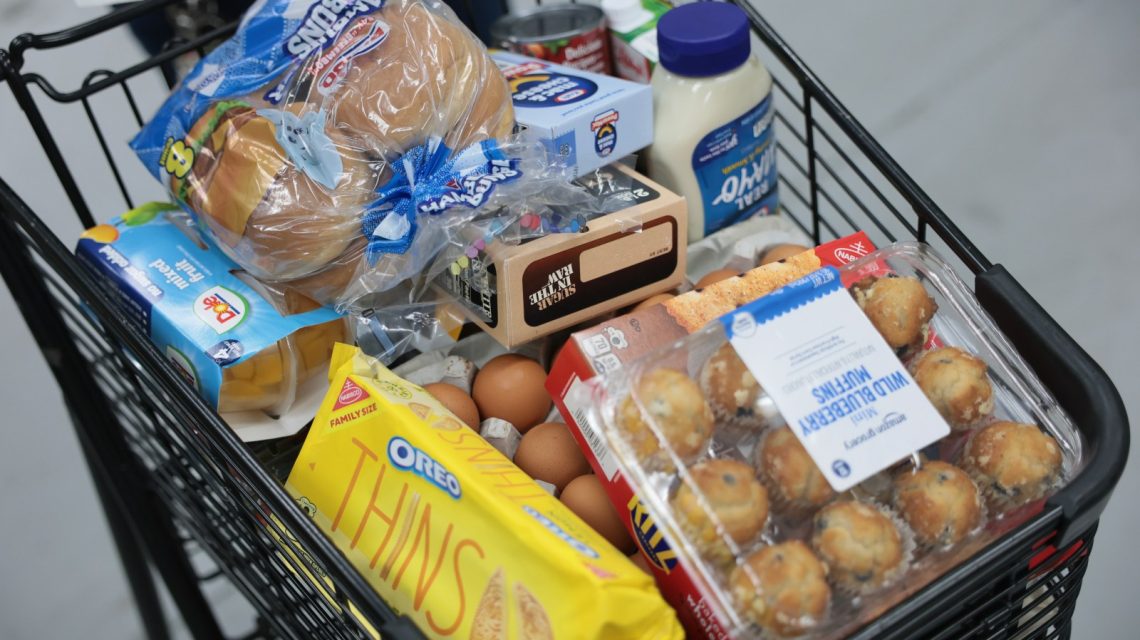
As the cost of living keeps climbing, Americans are facing varying grocery expenses based on where they shop. A recent study indicates shoppers in many states pay over 50 percent more at high-priced supermarkets like Whole Foods compared to more affordable options like Aldi.
Grocery Store Price Comparisons
Freedom Debt Relief analyzed data to identify grocery store cost differences. According to their findings, Aldi is the most cost-effective grocery store in 32 states. In contrast, Whole Foods stands as the priciest in 44 states, where customers usually spend around 52 percent more.
The analysis utilized Consumer Reports’ 2026 grocery price comparison, specifically ranking against Walmart. This helped pinpoint the cheapest chains in each state based on operational stores.
Cheapest Grocery Chains by State
Aldi emerged as the least expensive option in numerous states including Alabama, California, and Florida. Lidl was the budget-friendly choice in states like New York and Pennsylvania. Meanwhile, Walmart offered the lowest prices in states such as Alaska and Wyoming. WinCo held the cheapest title in Idaho and Washington.
Most Expensive Grocery Chains by State
Whole Foods proved to be the costliest in a majority of states including California, Texas, and Florida. Safeway topped the list in Alaska, while Trader Joe’s was the most expensive in Delaware. Other chains like Albertsons and Shaw’s also ranked high in expense in specific states.
Reasons Behind Price Variations
There are multiple reasons for these price disparities. Discount stores like Aldi and Lidl maintain lower prices through private-label products and streamlined operations. Conversely, premium stores such as Whole Foods have higher costs due to organic products and specialty items.
Consumer Concerns and Inflation
Inflation and cost of living are pressing concerns for Americans. A Marquette University Law School poll found that 35 percent consider inflation the most significant issue. Many expect prices to continue rising, impacting how people shop for groceries. Retailers have responded by aggressively competing on price and value.
Retailers’ Price Reduction Initiatives
Major chains have launched discount campaigns. Walmart expanded its “rollback” program, while others like Target and Kroger announced reductions on staples. Giant Eagle notably reduced prices on over 300 items by at least 10 percent.
Retailers have also leveraged loyalty programs and digital promotions to retain customers. These strategies aim to prevent consumers from switching stores for better prices.
Political Ties and Price Reductions
The White House has credited private companies for cutting prices in response to calls for relief. While few companies attribute these reductions directly to the administration, presenting any cost relief as a political success remains significant.
A Reuters/Ipsos poll revealed that 48 percent of Americans consider cost of living their top voting factor for the coming elections.
 Bend Community Mourns School Shooting Victims and Honors Heroes
  Nor’easter Threatens U.S. With Greater Impact Than Recent Hurricanes
  Controversy Surrounds Kristi Noem’s Latest Social Media Post Amid End of Special Envoy Role
  Fatal Incident on Soccer Field in Wichita
  Indiana University Honors Military Connections with Traditions and Memorials
  Malibu Residents Confront Fire Challenges with Community Spirit and Resilience