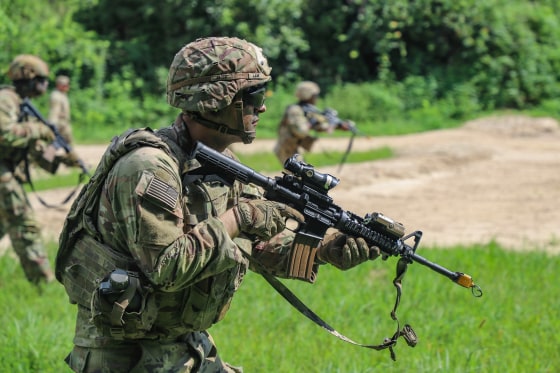
The United States and South Korea have routinely conducted military exercises to showcase U.S. support for its important regional ally. These drills are intended to reinforce security ties and preparedness in the region. On Monday, President Donald Trump raised uncertainty by suggesting a reduction in these exercises just before their commencement. This proposal causes concern in Asia, particularly as the U.S. military is engaged in conflict with Iran.
Reaction from Military Officials
Retired Lt. Gen. Chun In-bum, who previously led South Korea’s Special Warfare Command, expressed apprehension about the suggested scale-back. He indicated that such a move would be welcome news to North Korea and China. These countries might view the reduction as a weakening of deterrent efforts in the region.
“North Korea and China would be the ones most pleased by this,” he stated.
The Role of Military Drills
Military exercises between the U.S. and South Korea, like Ulchi Freedom Shield, often include live-fire components. These are critical for preparedness and send a message of solidarity and readiness to both allies and potential adversaries. However, the sudden call for scaling back emphasizes the uncertainty in regional security dynamics.
The ongoing military engagement of the U.S. in Iran adds complexity to the strategic calculations in Asia, making the timing of Trump’s proposal more significant. The balance of power and regional stability may be reassessed as a result of changes in military readiness and cooperative exercises.
 Fiona Remembered at Macy’s Thanksgiving Day Parade
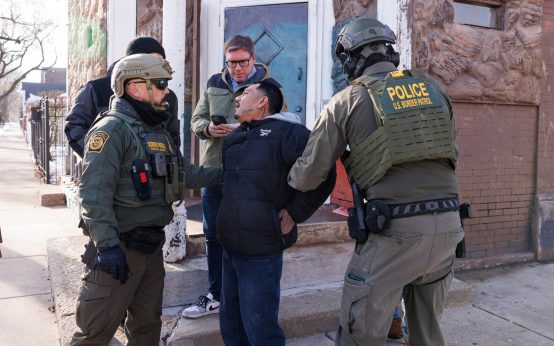 Massachusetts Sues Federal Government Over Courthouse Arrests
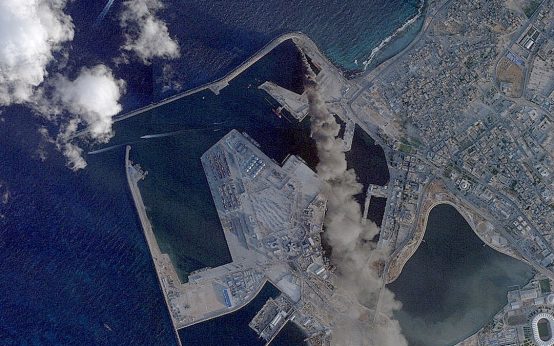 Ukrainian Drone Attack Sinks Russian Warship in Libya
 Federal Court Releases Redacted Documents on Raid of Rep. Ilhan Omar’s Home
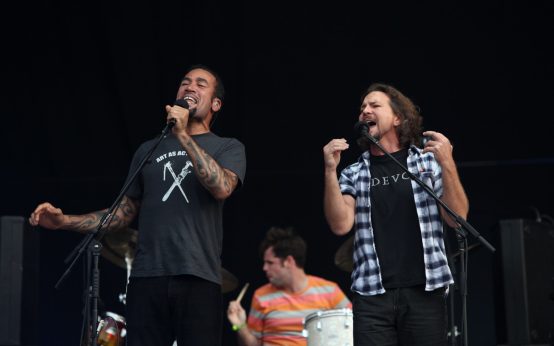 Pearl Jam Criticizes ICE Over Seattle Airport Arrests
 U.S. Coast Guard Intervenes in Cybersecurity Threats on Commercial Ships