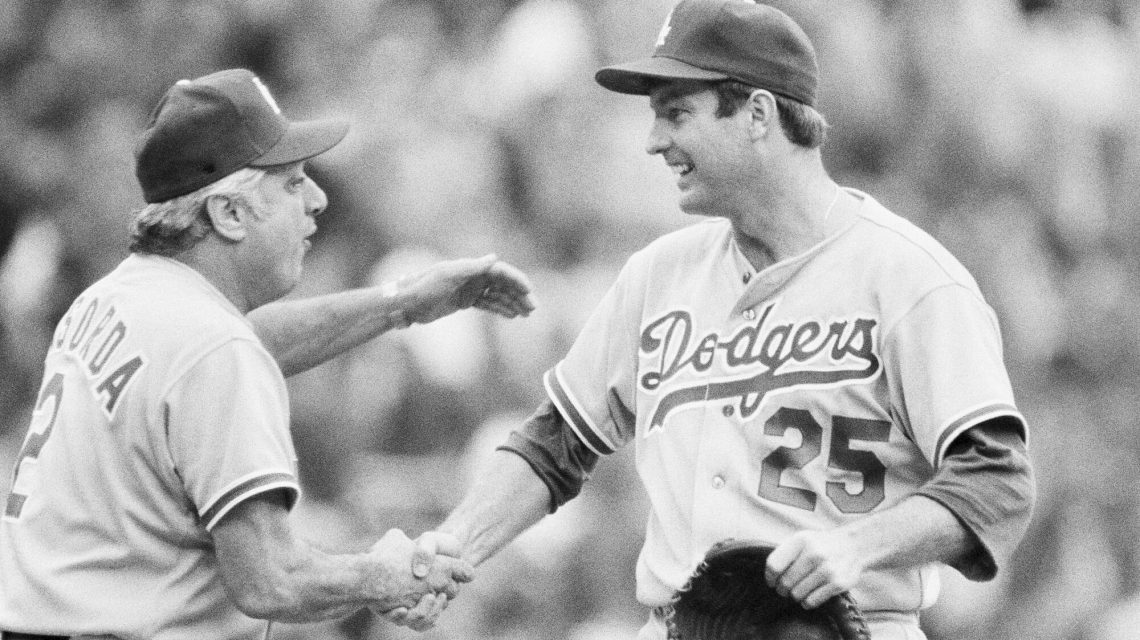
Tommy John surgery, known formally as ulnar collateral ligament reconstruction, holds a place in medical texts alongside procedures like Belsey fundoplication. The surgery, named after a left-handed Dodgers pitcher, saved John’s career and numerous others since its inception.
Tommy John faced the potential end of his baseball career in 1974 due to a severe ligament injury in his left elbow. This injury had historically stymied many pitchers. However, an innovative surgery, which rebuilt his career, became a pivotal option for other players, including Tom Candiotti, John Smoltz, and Shohei Ohtani.
John passed away at the age of 83, and the Dodgers recognized his dual legacy as both an exceptional pitcher and a medical pioneer.President and CEO Stan Kasten noted John’s courage in paving the way for future generations through the surgery named after him.
Before his groundbreaking operation, John had accumulated 124 wins over 12 seasons with three teams. Post-surgery, he secured 164 victories, nearly matching Sandy Koufax’s career total. He retired at 46 with a record of 288-231 and an ERA of 3.34.
Reflecting on his career, John credited Dr. Frank Jobe for allowing him to pitch again. Following surgery, John impressively never missed a scheduled start, even occasionally pitching from the bullpen.
His time with the Dodgers was marked by significant achievements, including an 87-42 record and a 2.97 ERA. He was integral in leading them to successive World Series appearances. John joined the team from the Chicago White Sox in 1971 and quickly adapted under the guidance of pitching coach Red Adams, who emphasized precision over velocity.
“Dr. Jobe made it so I could throw a baseball again,” John said, highlighting the pivotal role Jobe played in his career revival.
In 1974, John experienced a life-altering injury during a game against the Montreal Expos. The rupture of his medial ulnar collateral ligament brought significant pain and uncertainty, with traditional recovery methods proving ineffective.
Dr. Jobe proposed a novel surgery, inspired by similar procedures he had performed previously. The odds were challenging, but John agreed, trusting Jobe’s expertise.
On September 25, 1974, Jobe carried out the complex procedure, threading a tendon from John’s right arm through holes in his left elbow. Despite initial nerve damage and a second surgery, John adhered to rigorous rehabilitation, eventually regaining full function.
In 1976, John returned to the major leagues, demonstrating his resilience by delivering an impressive performance with a 10-10 record and a 3.09 ERA. His 1977 season was even more successful, garnering him 20 wins and solidifying his comeback. His role in the Dodgers’ success, particularly in the NL Championship Series, was significant, as he pitched a complete game with eight strikeouts.
After leaving the Dodgers, John achieved further triumphs with the New York Yankees, helping the team reach the World Series multiple times. Notably in 1981, during a critical decision made by Yankees manager Bob Lemon, John’s unexpected substitution led to controversial outcomes for the Yankees.
His career continued with notable achievements and unique incidents, such as the infamous triple-error play in 1988, characterized by a sequence of mishaps that turned a simple play into a memorable event.
Beyond his playing days, John’s contributions extended to broadcasting and minor league management. He became an advocate for suicide prevention, inspired by personal tragedy. John also raised awareness about the risks of overusing young athletes’ arms, promoting safer practices.
The surgical legacy pioneered by John and performed by Dr. Jobe endures today under the expertise of surgeons like Dr. Neal ElAttrache. With ElAttrache’s mentorship under Jobe, the surgery continues to be an industry standard, benefiting players like Shohei Ohtani.
John’s life and contributions to baseball are celebrated and remembered by his wife Cheryl and children Tommy, Travis, and Tamara. A private memorial will be held in Florida to honor his legacy.
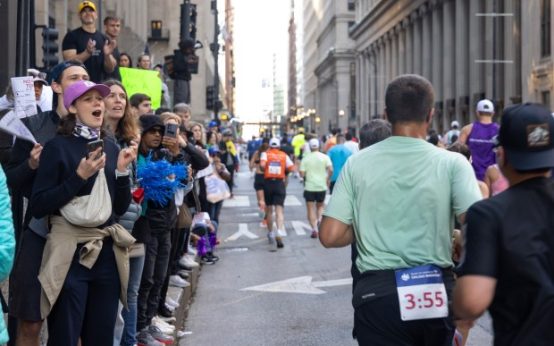 Impact of the Chicago Marathon on Local Businesses
 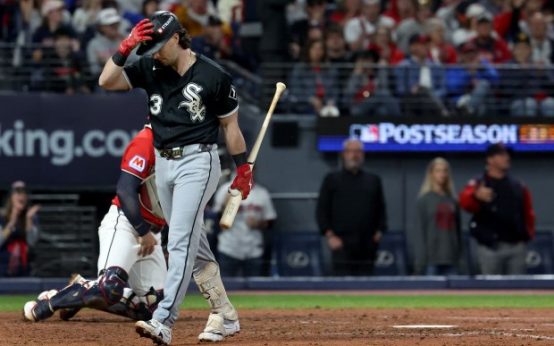 Guardians Triumph Over White Sox in ALDS
 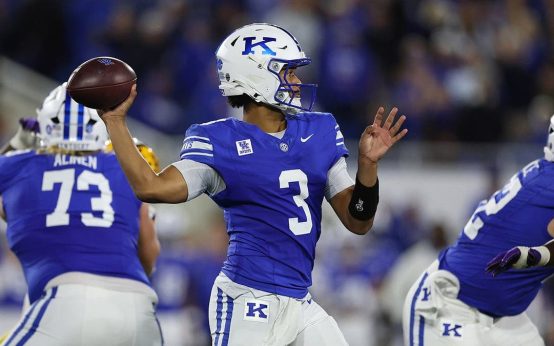 Kentucky Wildcats Stun LSU Tigers with Overtime Victory
 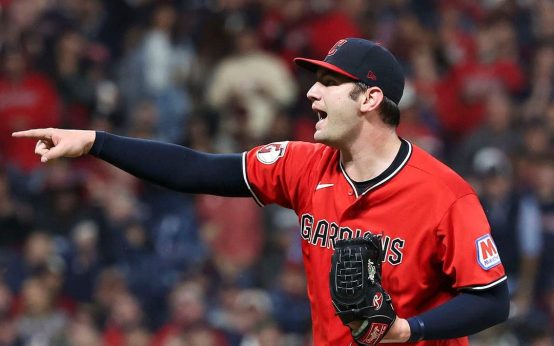 Guardians’ Strikeout Record Leads to Victory Over White Sox
 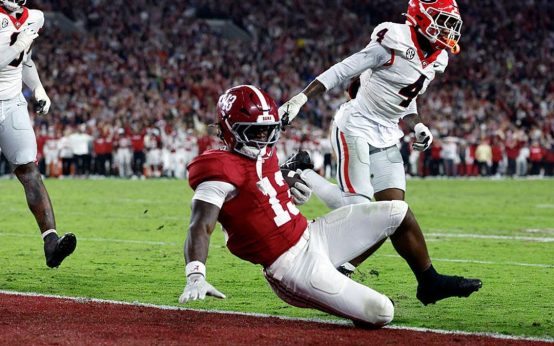 Georgia Triumphs Over Alabama in Dramatic Tuscaloosa Showdown
 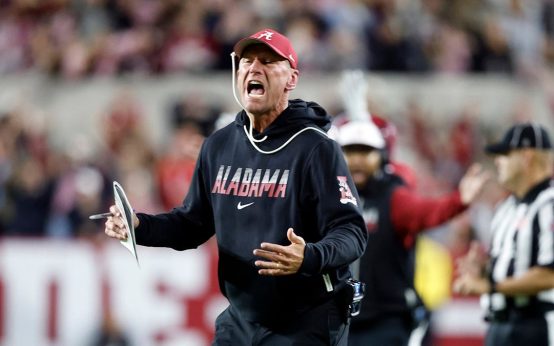 Alabama’s Costly Penalty Seals Georgia’s Victory