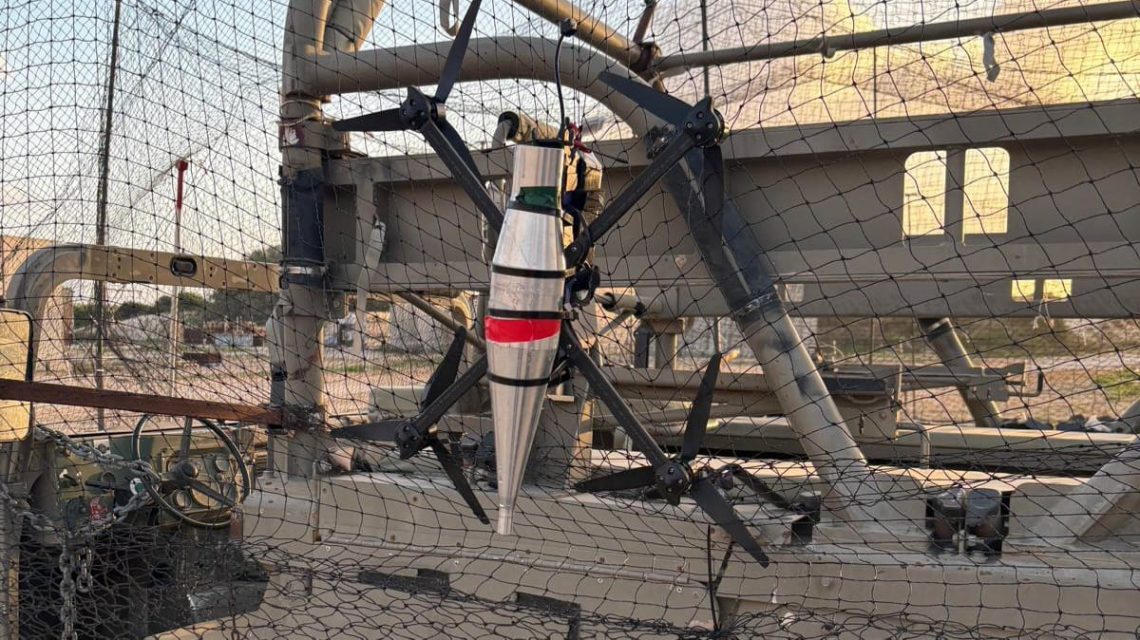
Hezbollah has intensified pressure on Israel and the United States with advanced tactics, amid Middle East tensions. A notable change is Hezbollah’s use of fiber-optic first-person view (FPV) drones, seen as effective by defense analysts. Initially used by Hezbollah in March, these drones have become potent tools in their arsenal.
The Armed Conflict and Location Event Data (ACLED) monitor reported that Hezbollah employed FPV drones in 21% of attacks over the past five months, leading to casualties among Israeli forces in more than half of 33 confirmed events. One-way attack drones, often called suicide drones, made up 24% of Hezbollah’s assaults, a significant rise from previous months.
Hezbollah has showcased its ability to maintain military pressure on southern Israel and keep Israeli communities under psychological stress, according to Nasser Khdour, ACLED’s Middle East assistant research manager.
In response, Israel has adapted its strategies. The IDF’s Technological Brigade began supplying troops with wire mesh nets to counter explosive drones. They acquired netting covering 158,000 square meters, with more on the way. This development highlights Hezbollah’s consistent efforts to outmaneuver a superior military opponent.
Hezbollah has a history of innovation against Israel. During the 2006 conflict, they used Russia-designed Kornet anti-tank guided missiles against Israeli tanks. In recent conflicts, they employed the Iranian Almas-1 missile, adapted from Israeli tech, to target IDF’s armored units. Despite these efforts, Israeli drones and surprise tactics weakened Hezbollah’s arsenal, forcing strategic adaptations.
Hezbollah turned to FPV drones, minimizing radio signature vulnerabilities and electronic jamming. Lebanon’s youth gaming culture accelerated training, as Hezbollah engages young drone operators familiar with joystick controls. These developments have given Hezbollah a potential edge, limiting Israeli troop movements and applying attrition.
Diplomatic attempts face challenges too. Israeli Prime Minister Benjamin Netanyahu and U.S. President Donald Trump aim to secure lasting diplomatic wins ahead of pivotal elections. Since a proposed ceasefire with Iran, demands for halting Israeli operations against Hezbollah remain unresolved.
Hezbollah insists on liberation while the Lebanese government requires Israeli troops’ departure. Israel, however, links any agreements with Hezbollah’s disarmament. The U.S.-led declarations have often seen communities claiming ceasefire breaches.
Tensions escalate, with ongoing bombings and artillery strikes reported by Lebanon’s official National News Agency. Despite peace talks, Hezbollah remains firm. A spokesperson reiterated their intent to resist while Israel concludes ongoing operations.
Hezbollah’s enduring resilience offers insights for other resistance groups. Khdour suggested that Hezbollah’s approach could inspire tactics in regions like Gaza and the West Bank, posing further challenges to Israel.
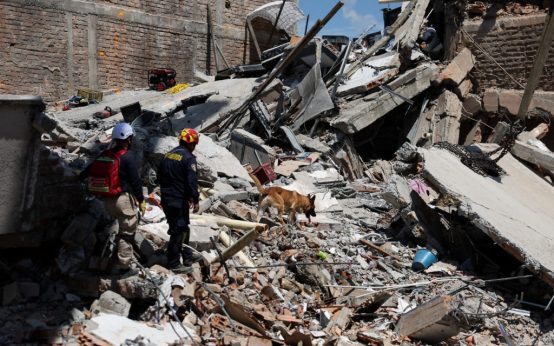 Rescue Efforts Continue as Earthquake Devastates Colombia
 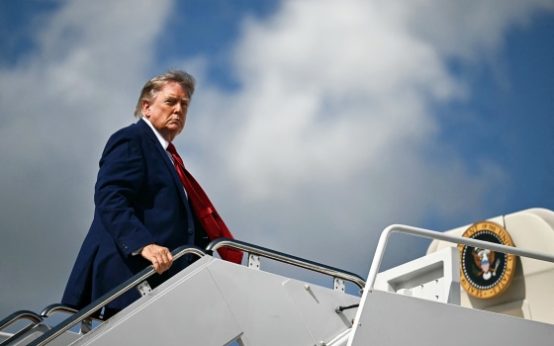 Security Measures Surround President Trump’s Unexpected Flight
  NOAA Withdraws Support from Arctic Report Card
  Challenges Faced by Women and Girls in Iran and Afghanistan
  North Korea Launches Ballistic Missile Ahead of U.S.-South Korea Military Drills
 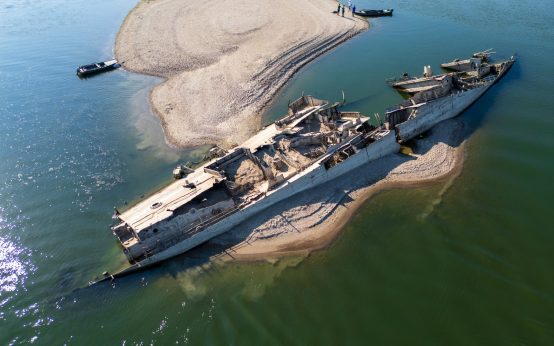 The Impact of Drought and Conflict on European Trade Routes