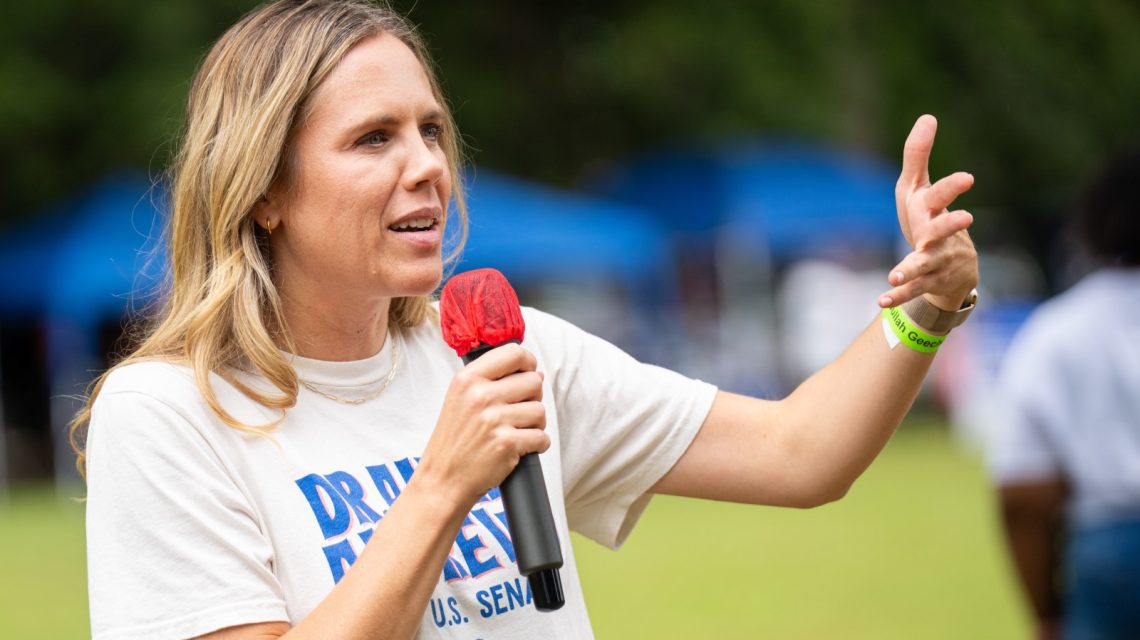
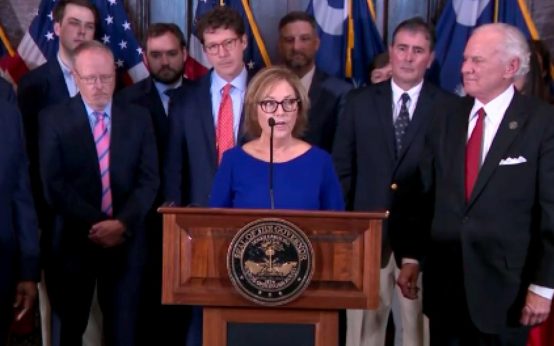
The South Carolina Senate primary concluded with Darline Graham and Ralph Norman advancing to a runoff. They will compete to face Democrat Annie Andrews in November’s election to succeed the late Senator Lindsey Graham. Neither Republican candidate reached the necessary 50 percent threshold in the special primary. CNN and AP projected the results around 9 p.m. ET on Tuesday, confirming the runoff.
Despite an endorsement from former President Donald Trump, Darline Graham, the sister of the late senator, secured only 32.6 percent of the votes. Ralph Norman obtained 24 percent. The Democratic side did not have a primary as Annie Andrews had previously secured her party’s nomination in June. Annie Andrews, a pediatrician, began preparing for a challenging race in a predominantly Republican state.
The special election resulted from Senator Lindsey Graham’s unexpected death on July 11 due to an aortic dissection. His passing required a Republican replacement, as he had already won the party’s nomination for the upcoming election. At Trump’s recommendation, Republican Governor Henry McMaster appointed Darline Graham to fill the seat until the term’s end.
Andrews faces a tough contest in South Carolina, known for its Republican leanings. The state last supported a Democratic candidate in a presidential election in 1976, and it backed Trump by 18 points in 2024. Some Democrats believe 2026 might bring a competitive shift due to Trump’s declining approval and worries about inflation.
At a campaign event, Norman acknowledged he might not be the top choice for some voters. “I want to be their third or fourth choice,” he stated. “We have a solid message and a strong resume. I urge people to join us and help move forward.” Norman admitted soliciting Trump’s endorsement, which was declined. He emphasized that South Carolina voters, not Trump, would decide the next senator.
Norman expressed interest in debates with Graham to understand her stance on key issues. “Where does she stand on pro-life or the death penalty?” he asked supporters. “The debate will reveal this, and my record is open for scrutiny.”
Annie Andrews reported increasing grassroots fundraising and engaging discussions with voters on topics like Medicaid cuts and gas prices. “We’ve seen steady fundraising improvement,” she noted. “While Republicans race to prove Trump loyalty, voters want something different.” Andrews suggested 2026 could shift South Carolina’s political landscape, given the lack of an incumbent.
Key Takeaways From Tuesday’s Primary
Graham and Norman will prepare for the August 25 runoff, allowing a few weeks to present their appeals to Republican voters for what is seen as a safe seat in November. Early voting is scheduled from August 19-21, according to the South Carolina Election Commission.
Several prominent Republicans entered the special election, such as Darline Graham, Ralph Norman, Russell Fry, and former Governor Mark Sanford. Trump’s endorsement initially made Graham a frontrunner, yet it fell short of guaranteeing a primary win. Previous polls indicated a competitive race with no clear leader.
Annie Andrews’ Chances of Flipping South Carolina Senate Seat
The South Carolina race polling might be limited, but Andrews’ internal polls suggest a close contest. However, independent verification remains unavailable, which typically offers greater reliability. Andrews reportedly led Lynch by 3 points, Sanford by 1 point, and Fry by 3 points. Norman was leading her by 1 point.
Prediction markets favored Republicans, with an 87 percent chance of winning on Kalshi and 91 percent on Polymarket. These platforms reflect trader sentiment yet may not accurately forecast outcomes. Election experts also favored Republicans, with the Cook Political Report and Sabato’s Crystal Ball categorizing the race as secure for the GOP.
Andrews insisted on a competitive race, claiming a shift among Republicans who feel their party has moved too far to the right. “They seek a return to center-right values,” Andrews mentioned.
South Carolina Is Historically Republican State
South Carolina’s presidential support has leaned Republican. Since last backing Democrat Jimmy Carter in 1976, the state granted Republicans double-digit victories, with Trump winning by 18 points in 2024 and nearly 12 in 2020. The state last elected a Democratic senator in 1998.
Democratic efforts to gain ground in South Carolina often face limitations, despite having a significant Black voter base and urban areas leaning Democratic. Rural regions and a polarized electorate maintain Republican advantages.
In 2020, Democrat Jaime Harrison’s high-profile campaign against Lindsey Graham ended in a 10-point loss. The 2018 “blue wave” election saw Governor McMaster secure an 8-point win, closer by state standards.
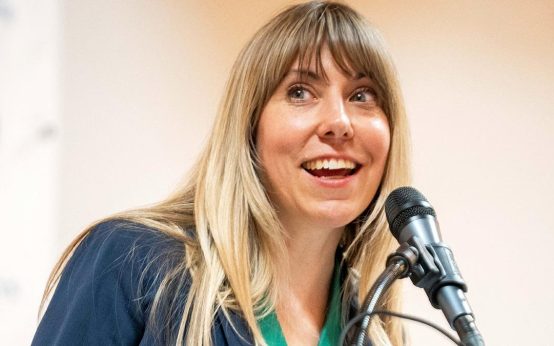 Sarah Trone Garriott Addresses Locker Room Policy Concerns
 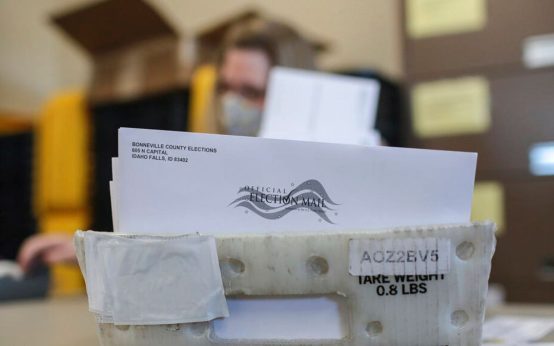 Federal Judge Blocks USPS from Enforcing Part of Trump’s Mail-In Voting Order
 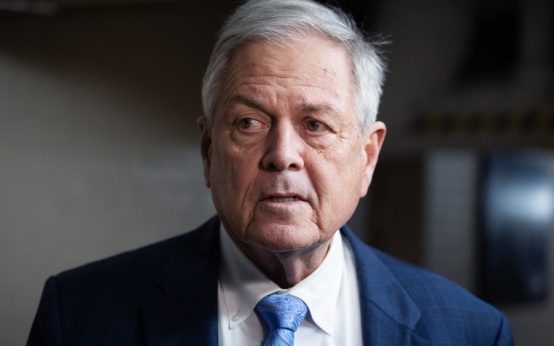 Sen. Darline Graham and Rep. Ralph Norman Head to Runoff in GOP Senate Primary
  Key Developments in U.S. Primaries and Political Landscape
  Progressive Media Turns Critique Towards Ocasio-Cortez Over Rhetoric
  Graham and Norman Head to Runoff in South Carolina Senate Primary