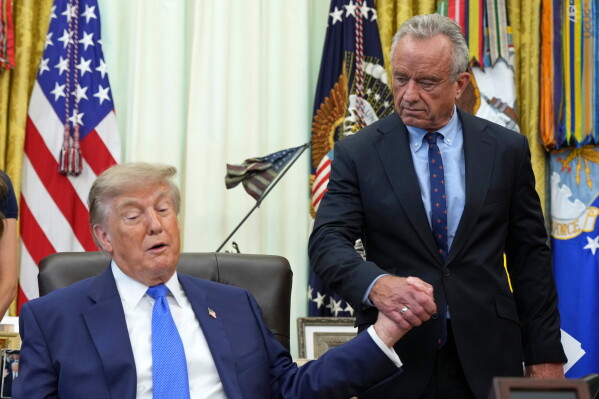
President Donald Trump recently revealed an unusual occurrence during a trip to Turkey. He slipped away from Air Force One due to a security threat. The Secret Service and military advised him to board another plane. Trump described the incident nonchalantly, showing no fear despite the threat. He minimized the risk to those left on the original plane, which included White House officials, security staff, and reporters.
Unprecedented Secrecy in Presidential Travel
Following a NATO summit, Trump was secretly moved onto a different plane. A credible threat from Iran prompted this decision, as confirmed by a report in The Washington Post. Although Trump downplayed the situation, saying, “I don’t worry about anything,” others noted the novelty of such clandestine arrangements.
Presidents sometimes take secret trips for safety reasons. Typically, such secrecy is maintained only during high-risk moments. In previous cases, like President George W. Bush’s trip to Iraq in 2003, travel details were classified until safely complete. By contrast, Trump’s actions remained undisclosed for weeks.
Strategic Security Measures for Presidents
Presidential trips to conflict zones often involve unmarked or decoy planes. In this case, Trump used a smaller government aircraft from Turkey to the United Kingdom. He later reboarded the initial decoy plane discreetly. Past presidents have also used such strategic misdirection.
For instance, President Bill Clinton’s trip from India to Pakistan in 2000 involved multiple planes. Reporters were aware Clinton was aboard one, but did not know which. Similarly, during President George W. Bush’s trip after the 9/11 attacks, multiple locations were used to divert attention.
Importance of Press Transparency
The press plays a crucial role in ensuring governmental transparency. Garrett M. Graff highlighted the need for independent press coverage of the presidency. He emphasized the risk when the president’s status is unknown or unverifiable.
In recent years, President Joe Biden demonstrated how secret trips could be conducted without undermining press transparency. For Biden’s visit to Ukraine, selected journalists accompanied him, documenting the trip.
Such distinctions highlight the potential dangers of extended secrecy, raising questions about the strategic balance between security and transparency in presidential affairs.
 State Department Enhances Passport Application Process
 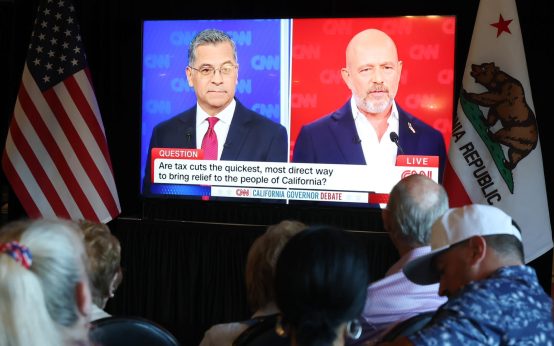 California Gubernatorial Debate: Becerra vs. Hilton
 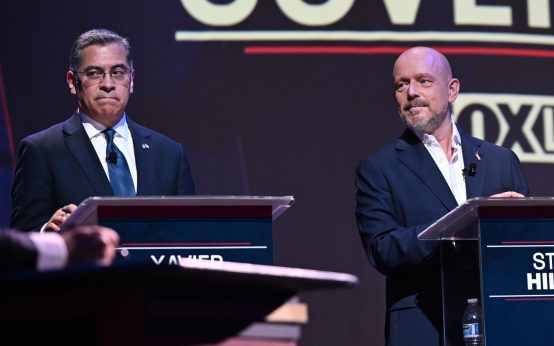 California Gubernatorial Debate: Becerra vs. Hilton
 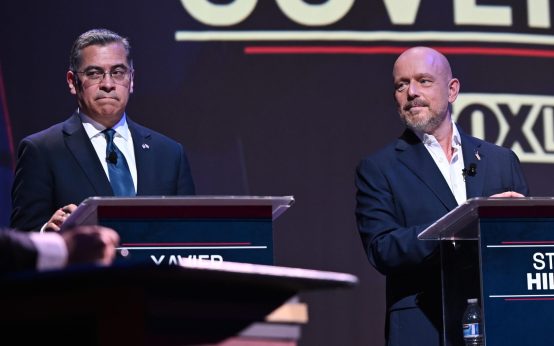 California Gubernatorial Debate: Becerra vs. Hilton
 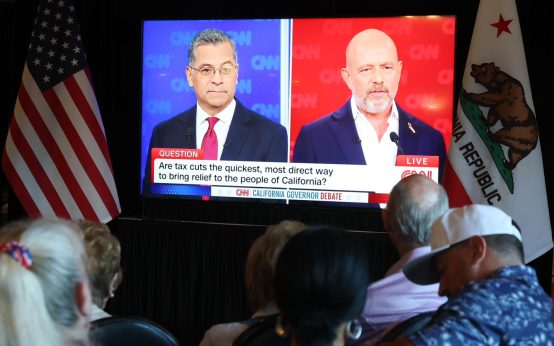 Key Moments and Insights from the Becerra-Hilton Gubernatorial Debate
 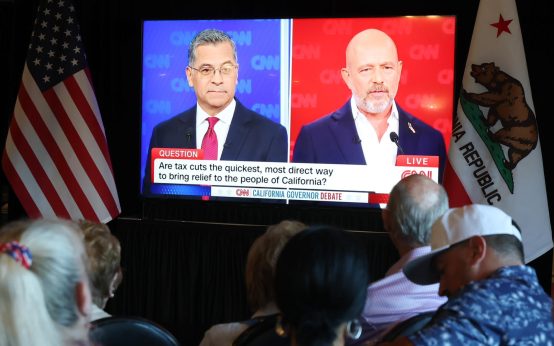 Becerra and Hilton Clash Over California’s Future in Heated Debate