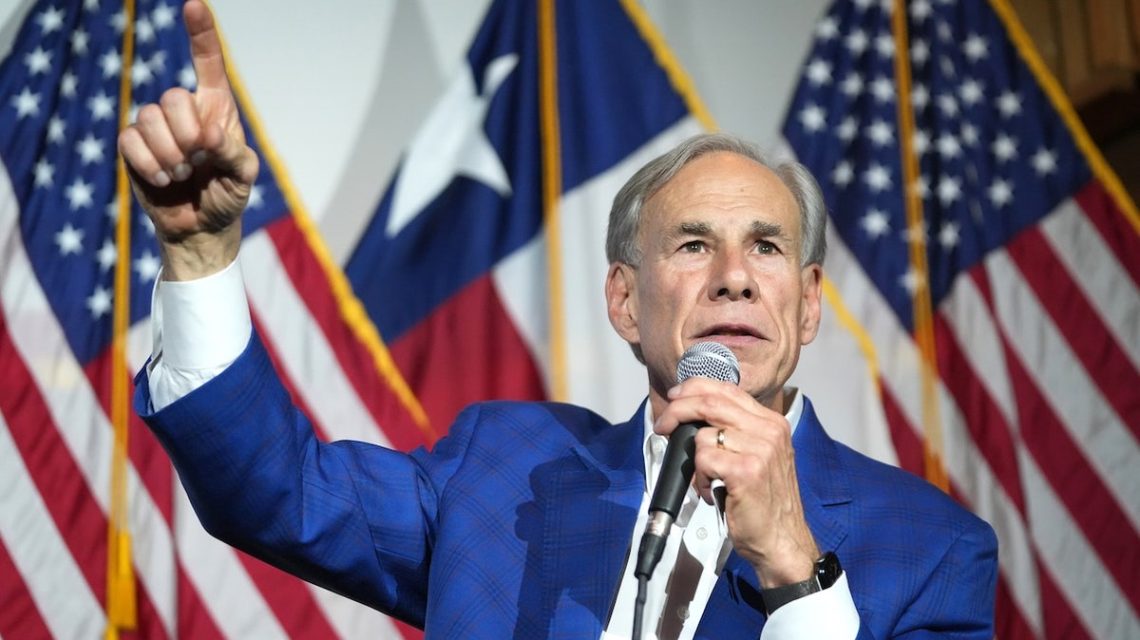
In Texas, the surge in artificial intelligence is driving significant data center development. This increase is causing a split between President Donald Trump and Republican Governor Greg Abbott. The projects bring billions in investment to Texas but also raise electricity demand. Abbott has directed regulators to ensure data centers shoulder infrastructure costs and has urged developers to build their own power generation. Trump disagrees and calls Abbott’s approach a mistake, arguing these projects offer economic benefits to host communities.
Texas leaders aim to make the state a key location for data centers despite concerns about strain on the electric grid. Trump sees energy dominance and AI leadership as crucial for his second term. He believes denying data centers is an error, comparing their potential impact to the oil industry. Texas has become central to this debate as data center demand grows due to AI and cloud services.
Dallas now ranks as the leading primary data center market globally, according to Cushman & Wakefield’s 2026 Global Data Center Market Comparison. This highlights the state’s rapid growth, potentially overtaking Virginia, the largest data center market by capacity. This growth brings intensified scrutiny over the strain on Texas’ power system.
Balaji Tammabattula, COO of BaRupOn, supports Trump’s recent disagreement with Governor Abbott. Tammabattula states that many companies have heavily invested in Texas based on its business-friendly reputation and are now facing challenges. BaRupOn’s 700-acre campus is developing its power infrastructure, including natural gas pipelines and turbines, to operate independently of the state grid. This approach aligns with the state’s push for data centers to use on-site power generation, known as behind-the-meter power, to reduce grid strain.
Tammabattula acknowledges concerns that the cost of high electricity demand could burden residents. The challenge for Texas is to benefit from this industry while preventing residents from bearing infrastructure costs. Although tensions are likely to persist, an ultimate solution may need to come from government interventions.
Amanda Macias, a journalist, covers business, economics, and politics, focusing on how policy shapes markets and businesses.
 Debate Over AI’s Impact on Jobs Reflects Larger Economic Theories
  Meta Faces Youth Safety Trial in California
  What to Know About Your Driver’s License’s Digital Upgrade
  Affordable Blink Outdoor Security Camera with Discounted Price
  Amazon Leo’s Progress Hampered by Repeated Delays
 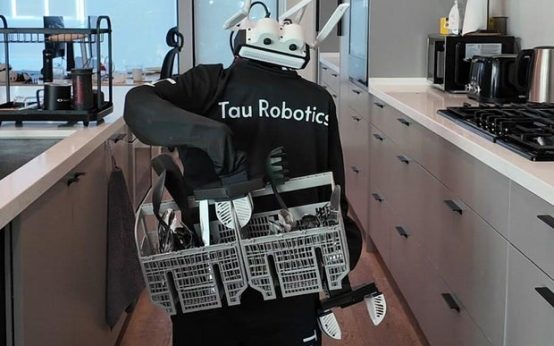 Sick of Cleaning Your Home? Robots Could Be the Future