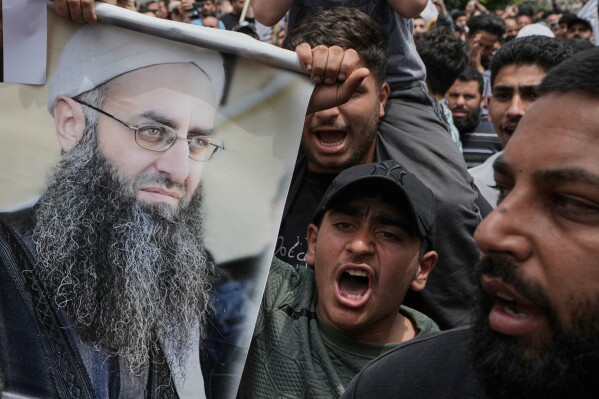
Abdul El-Sayed’s nomination as the first Muslim candidate by the Democratic Party for the U.S. Senate marked a significant moment in Michigan this month. However, many Muslim Americans tempered their excitement due to the persistent anti-Muslim sentiment prevalent across much of the nation. Some Republicans, led by former President Donald Trump, emphasized El-Sayed’s full name, Abdulrahman Mohamed El-Sayed, portraying him as a threat to America. “Every single Muslim holding public office in America is a Trojan horse, and a threat to both national security and our republic,” stated U.S. Rep. Nancy Mace, R-S.C., in a post.
El-Sayed responded by saying that these attacks expose the attackers’ weaknesses. “We all pray for the same things. We want what’s good for our kids and our families,” he told MS NOW after his primary victory. He added that Islamophobia is being used due to outdated ideas.
Beyond politics, tensions linked to anti-Muslim sentiment have escalated in various communities. More residents have opposed proposals to build new mosques. “American Muslims have made significant political and societal progress recently,” said Edward Ahmed Mitchell, national deputy director of the Council on American-Islamic Relations (CAIR). He highlighted increased visibility in entertainment, sports, and the election of Democrat Zohran Mamdani as New York City’s first Muslim mayor. “However, there is substantial backlash to this progress,” Mitchell noted. He pointed to the resurgence of anti-Muslim hate and rhetoric, and the targeting of mosques.
A Flashpoint in McKinney, Texas
McKinney, Texas, a suburb in the Dallas-Fort Worth area, became a focal point. Despite a heated city council meeting on August 4 with anti-Islam remarks, the council approved the McKinney Islamic Association’s site plan for a new mosque, classroom building, and gym unanimously. George Fuller, a former nonpartisan mayor of McKinney, urged the council to consider the proposal fairly. Despite his efforts, opponents booed him and some called him a “traitor” as he exited. “I have never witnessed so much hate, anger, and lack of humanity in our beautiful community gathered in one place as I did today at City Hall,” Fuller wrote on Facebook.
The meeting, lasting over four hours, also featured U.S. Rep. Keith Self, a Republican from the district including McKinney. He encouraged the council to reject the proposal to great applause, expressing fears about “child marriage” and “honor killings.” Fuller countered by criticizing the divisive political rhetoric gaining popularity. “Sadly, we live in a time when some have found that fear-mongering, dividing communities, demonizing neighbors, and using misinformation are effective political strategies,” he said.
Tensions in Mooresville, North Carolina
Similar tensions surfaced in Mooresville, North Carolina, during a public comment session on August 3 regarding a proposed mosque. This mosque had already gained approval and was under construction. Residents expressed hostility towards Islam, criticizing commissioners for lack of transparency about the project. One speaker cited violence by Islamist extremists in Nigeria as a concern. Another described Islam as “a political regime with the ultimate goal of taking over regions and nations.”
CAIR’s regional manager, Al Rieder, condemned the “hateful and conspiratorial anti-Muslim rhetoric” from the session, expressing concern for Muslims’ safety in the area. “Muslims are your neighbors, your doctors, your teachers, your local politicians, your police,” he stated. Following the session, the town commissioners released a summary of the mosque project, planned on a parcel purchased in 2019 by a local Muslim organization. They emphasized that the parcel was zoned for religious assembly and treated similar to new church proposals. “We urge community members to maintain respect in discussions and interactions as this project moves through the proper processes,” they said.
Controversy in Broken Arrow, Oklahoma
In Broken Arrow, Oklahoma, another mosque controversy has persisted for months. In January, a city council meeting with hundreds of attendees resulted in a 4-1 vote rejecting the Islamic Society’s rezoning proposal for a mosque. Residents voiced anti-Muslim views against the proposal. Council members justified their rejection by citing concerns over infrastructure impacts like roads and sewers.
However, the Islamic Society filed a lawsuit on August 3 against the mayor and councilors, alleging the vote reflected “bigoted opposition” from the community and politicians. The lawsuit claims that state and federal laws on religious land use were violated, treating the mosque proposal differently from other rezoning requests. “They did not want a mosque in their city. They did not want Muslims here,” said Meghan Murphy, an attorney with CAIR’s Legal Defense Fund, during a news conference. “So they made up a reason, violating the law in the process.”
Persistent Fears and Political Scaremongering
Opposition to mosque construction isn’t new. In Murfreesboro, Tennessee, an effort to block a mosque project extended over three years, ending in its completion despite protests, vandalism, arson, and threats. Current anti-mosque campaigns align with broader anti-Muslim rhetoric from some Republican figures over the past year. Congress saw bills targeting sharia, a framework guiding Muslims in prayer and ethics. Some Republicans express concerns over growing Muslim populations in cities and potential terror ties, which CAIR and civil rights groups dismiss as unfounded political exploitation. Republican governors in Texas and Florida support closing CAIR, citing alleged terrorism ties. CAIR has denied these claims and pursued lawsuits against such efforts.
Muslim American leaders see these actions as political scaremongering. “Every election year, we anticipate a rise in anti-Muslim hate,” said CAIR’s Mitchell. “This year, it’s been more severe than before.”
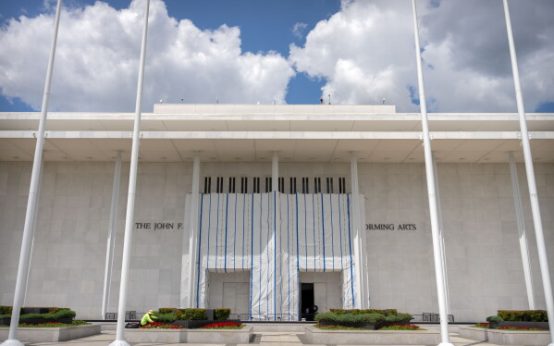 Key Events and Decisions in U.S. Politics and Institutions
 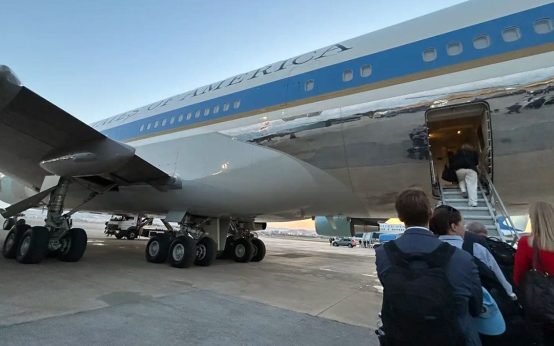 Trump’s Secretive Air Force One Maneuvers
  AI Integration in Congress: Balancing Innovation and Regulation
 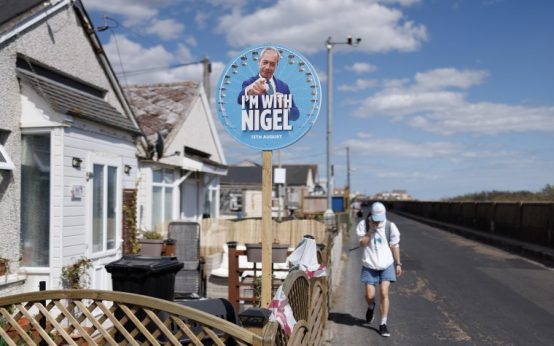 Unusual Line-up at Special Election in Clacton
  Election Called by Reform UK Leader Criticized as Stunt
  Key Outcomes from Primary Elections in Six States