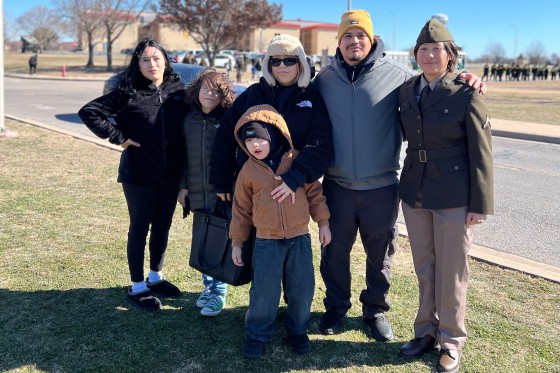
The military has a program designed to safeguard immediate family members of active-duty soldiers from deportation. However, issues persist as some families still experience deportations.
Grace Ortega is one such case. Her father, Juan Ortega, was deported on July 4. Grace, who is 20 years old, joined the Army in 2024. She chose to serve her country partly because of the protections offered by the military’s program for families without legal authorization.
This situation left Grace feeling betrayed by the nation she committed to serving. The deportation of her father on Independence Day added a personal layer of conflict and disappointment for her.
“I felt a deep sense of betrayal,” said Grace.
Despite promises, the military’s assurances sometimes fall short, impacting the mental and emotional well-being of soldiers like Grace. The gap between policy and practice remains a pressing issue for military families.
Family protection programs are critical, yet their implementation is inconsistent. This dissonance affects soldiers and their commitment to service. Addressing these gaps is essential for maintaining morale and trust among military personnel.
 Efforts to Restrict Voter Registration Funding Trigger Concerns for Nonprofits
  News Outlets Fight White House Ban in Federal Court
  Michigan Senate Candidate Questions Football’s Ethics and Safety
 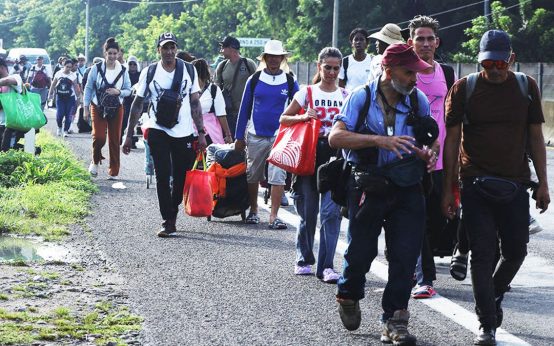 The Department of Homeland Security Urges Migrant Caravan to Avoid U.S. Border
 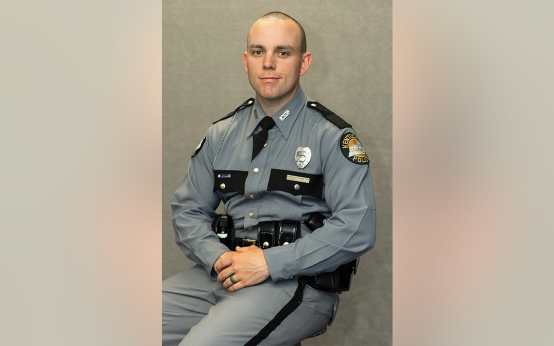 Kentucky Trooper’s Murder Sparks Manhunt and Mourning
  Cornell University Reopens Alleged Gang Rape Investigation