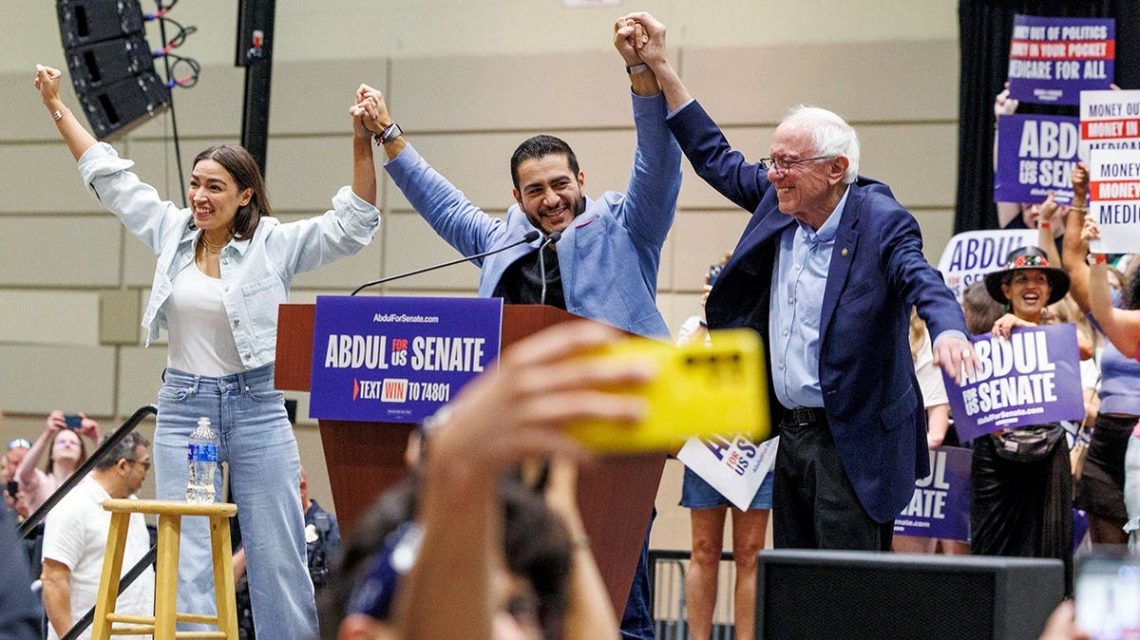
Abdul El-Sayed, a Democratic Senate candidate in Michigan, has made Medicare-for-all a central theme of his campaign. He acknowledges that implementing such a system would mean higher taxes for Americans, but argues it offers benefits unattached to employment.
Experts suggest the implications of a nationwide single-payer healthcare system extend beyond just finances. A change like this would alter how healthcare is funded, the payment to healthcare providers, and the role of private insurance. This shift might affect employment and access to care in a completely different framework from the current Medicare model.
Michael Cannon, Director of Health Policy Studies at the Cato Institute, and Ed Haislmaier, a health policy expert at the Heritage Foundation, highlight concerns about this concept. They argue that the Medicare-for-all label can obscure the complexities and trade-offs involved. Cannon warns of substantially increased costs, noting, “If your healthcare is expensive now, wait until you see what it costs when it’s free.”
El-Sayed defended his stance during an NBC interview, pointing out that a significant deduction on most W-2 forms goes to health insurance companies. He proposes redirecting these funds to higher taxes, offering consistent healthcare coverage irrespective of employment status, age, or marital changes.
A major focus is how providers are paid. Medicare reimburses hospitals and physicians less than private insurers for many services. If Medicare-for-all becomes reality, the number of patients funded by government-set rates would surge. Cannon cautions that policymakers face a choice between raising federal revenue or risking reduced provider participation.
Opponents point to Canada and England as examples of systems with long wait times and limited access to quick care. Yet, Cannon acknowledges the U.S. healthcare system is flawed and suggests that market competition might offer the closest approach to universal care.
Ed Haislmaier views the single-payer plan as a “solution in search of a problem,” with cost rather than coverage as the real issue. He suggests promoting competition to reward efficient, lower-cost providers.
Instead of expanding government control, President Donald Trump proposed using funds in personal accounts for insurance. El-Sayed, Sen. Bernie Sanders, and supporters aim to replicate international “socialized” models within the U.S. system.
Different systems worldwide, such as the Department of Veterans Affairs, the British NHS, and Germany’s employer-sponsored insurance model, share elements with the U.S. healthcare setup. Despite this, Cannon argues the U.S. may already lead in socialized medicine due to government policies like Medicare and Medicaid.
Critics say Medicare-for-all plans often limit or ban private insurance, affecting provider access when out-of-pocket costs decrease. Cannon warns hospitals might reduce participation if funding remains at current Medicare levels.
The proposal also addresses funding. Shifting healthcare costs to federal responsibility would require a significant revenue increase, replacing current expenses by employers and households. Cannon estimates this would double or triple taxes.
To ensure widespread coverage, Cannon believes government barriers should decrease rather than increase. He points to higher healthcare spending by Americans nearing Medicare eligibility compared to other countries.
 Starbucks Faces Lawsuit Over ‘Sugar-Free’ Protein Drinks
  Controversy Surrounding Nidal Hasan’s Execution Livestream
  Debate Over Livestreaming Execution of Fort Hood Shooter
 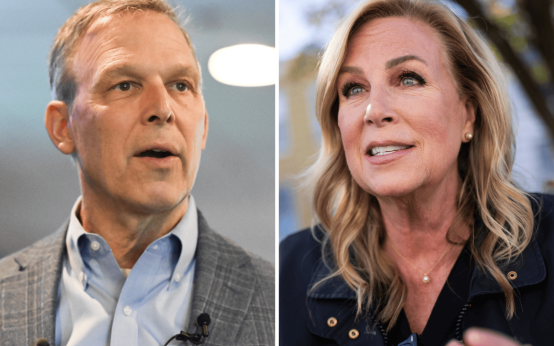 Controversy Surrounds Pennsylvania’s 10th Congressional Race
  Pope Leo XIV Labels Death Penalty an Assault on Human Dignity
  Advocating for Clean Slate Act to Remove Employment Barriers