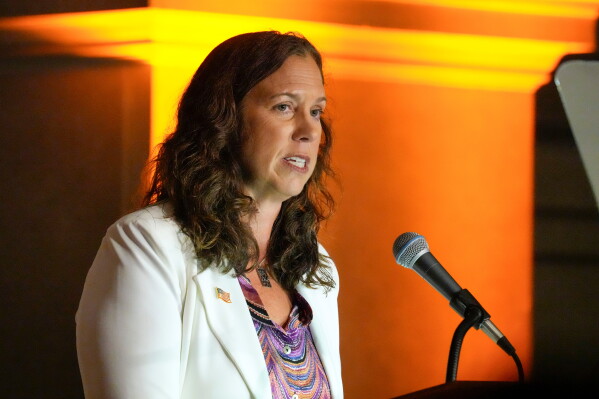
In a recent collaborative initiative, former U.S. presidents have taken part in the In Pursuit project, with a focus on American presidents and first ladies. This series of essays aims to transcend current political climates and reflect on historical insights.
George W. Bush, Barack Obama, and Bill Clinton contributed essays without referencing former President Donald Trump, despite the context of today’s controversies. The project, curated by U.S. archivist Colleen Shogan, strives to avoid partisanship and ideology. Shogan emphasized the importance of everyone finding value in the lessons drawn from American history as part of the project’s goals. The National Archives, where Shogan works, celebrates her view that history should be accessible to all.
The participatory essays cover 43 presidents, omitting the contemporary figures of President Joe Biden and Donald Trump, to remain focused on historical review rather than current events. Bush’s essay hailed George Washington, marking his humility and wisdom in relinquishing power as key legacies that set precedents for future leaders.
Retired General Stanley McChrystal offered an analysis of Ulysses S. Grant, spotlighting his dedication to lawful principles over personal loyalty. This remembrance feels particularly resonant as contemporary political figures often emphasize personal allegiance.
In another essay, Bill Clinton examined Theodore Roosevelt’s diverse presidential impacts, critically noting his progressive yet exclusionary tendencies. These reflections engage with a broader dialogue on presidential accomplishments and failures.
Contributors to the In Pursuit project include high-profile figures like Chief Justice John Roberts, Hillary Clinton, Michelle Obama, Karl Rove, Ken Burns, Michael Beschloss, and Barack Obama. The diverse participation underscores the project’s nonpartisan intent.
Despite Shogan’s commitment to a partisan-free approach, her role has been mired in controversy following her unexplained dismissal by Trump. The administration has yet to provide reasons or notify Congress, casting a shadow over the archive’s otherwise esteemed function.
The project’s podcast and essays have sparked robust public interest, with millions engaging with the content, signifying a public yearning for historical clarity without bias. A documentary exploring the series will debut on PBS, contributing to a broader discourse on presidential histories.
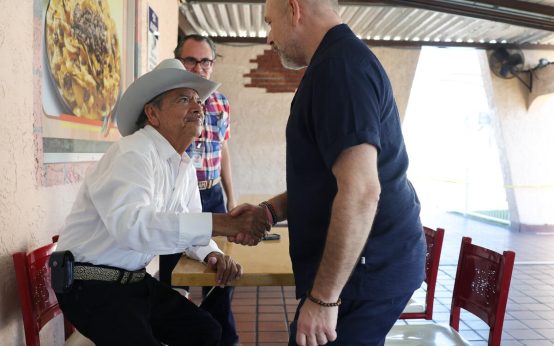 Steve Hilton’s California Dream: Wooing Latino Voters
 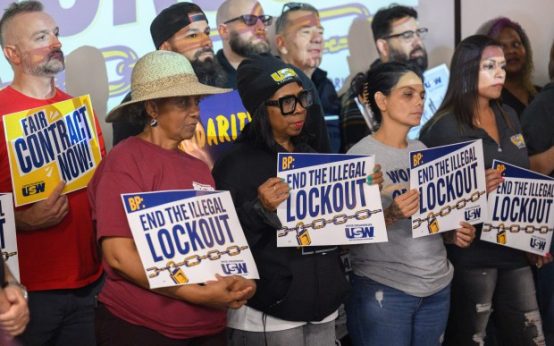 Indiana Legislators Advocate for Unemployment Benefits for Locked-Out Workers
 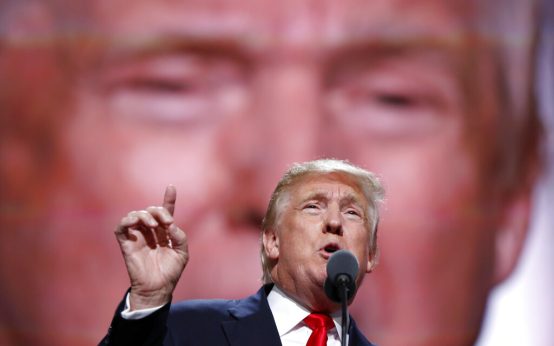 Analysis of Urgent Reforms in the U.S. Presidential Nomination Process
  Trump Pressures Lawmakers to Support Permanent Daylight Saving Time
  Tucker Carlson’s Remarks on Britain and WWII Spark Backlash
  President Trump Advances New White House Ballroom Construction