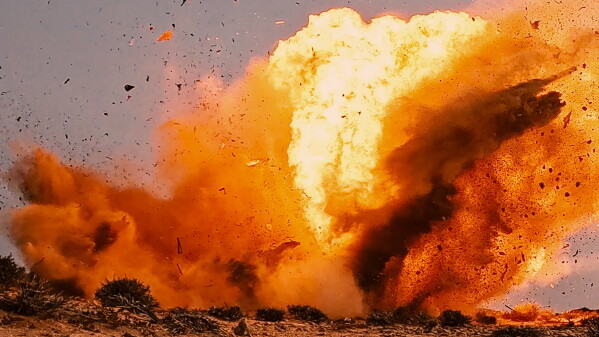
The Strait of Hormuz may derive its name from a deity in Zoroastrian beliefs, prophesized to triumph after a long standoff. Iran’s leaders believe their victory is near, without such patience. They are confident that military pressure will force the United States to recognize their control over this vital route for global energy. They consider time an ally.
Iran understands the diminishing stockpiles of key U.S. weapons like missile interceptors. The war is unpopular in the U.S., and closed strait keeps gasoline and goods prices high before U.S. elections. Attempting to open it could require costly ground troops. Allies in Yemen might widen the conflict. This logic suggests U.S. President Donald Trump might have to act.
Risks in Iran’s Strategy
Iran’s approach also involves risks. Trump references strikes against Iran’s leadership and military. He varies between threats and claiming productive talks. Iran’s economy suffers too, partly due to a U.S. blockade. Iranians recently protested, indicating public unrest remains possible.
A potential deal with Oman to manage the strait could give Iran significant leverage if linked to lifting the U.S. blockade. Such an agreement might consolidate Iran’s control over what was an open international waterway.
Impact on Global Trade
The implications for global trade could be severe, potentially challenging norms on freedom of navigation. Iran views the strait as crucial for maintaining regional power and reshaping security rules in the Persian Gulf, a major barrier to resolving broader conflicts, such as its nuclear program.
Economic effects of the war are profound, with U.S. and Israeli strikes targeting Iran’s industrial infrastructure. The country’s oil exports remain limited due to the blockade. Triple-digit food inflation has led to internal strife and major protests, met with harsh crackdowns.
Challenges of Economic Resilience
Despite challenges, Iran’s resilience could falter. Concerns persist that an economic crash could cause further unrest. A significant factor remains the ability to reach an agreement with the U.S.
For now, Iran withstands economic and political pressure. However, sustaining this position indefinitely might not be feasible.
 Trump Seeks Diplomatic Success at the U.N. Amid Challenges
  North Carolina Senate Race Influenced by Abortion Policy Messaging
  Trump Pressures Republicans on Filibuster Threat
  Rep. Golden Endorses Rep. Lawler for Re-election
  Public Perception and Political Impact of Data Centers
  Jewish Democrats in Michigan Shift Support to GOP Candidate in Senate Race