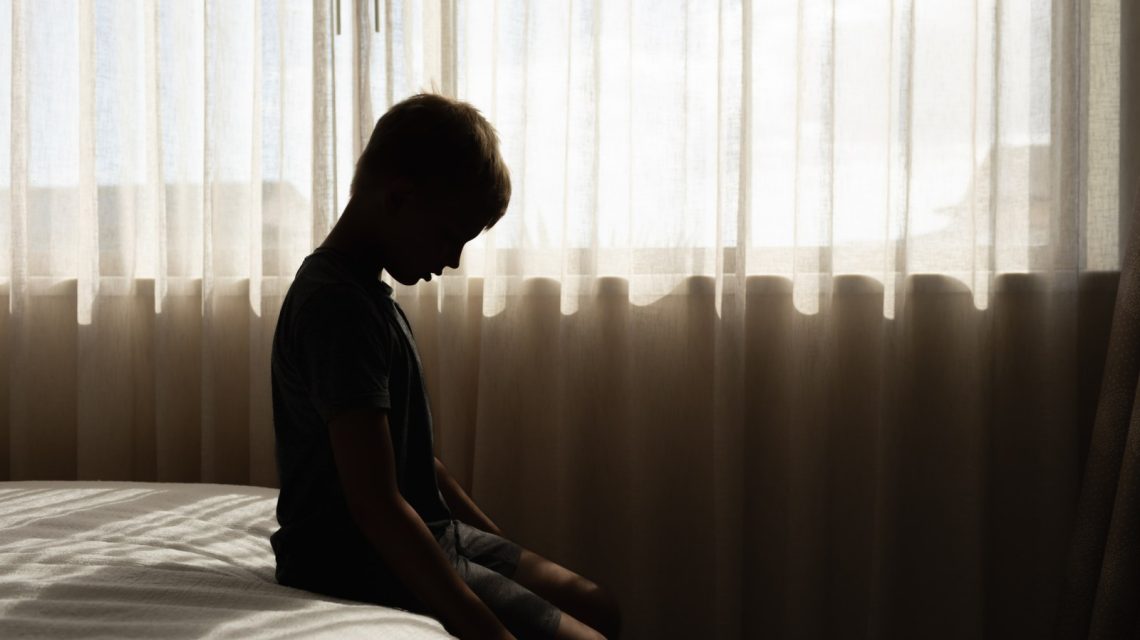
Many parents may believe they would easily spot if their child was depressed, expecting sadness to be the most apparent sign. However, according to Dr. Carolyn Spiro, a clinical psychologist with expertise in child and adolescent mental health, depression can manifest quite differently in children and teens than it does in adults.
Dr. Spiro told Newsweek that depression in young people doesn’t always exhibit as sadness. Instead, changes in mood or behavior are critical indicators. Parents might notice their usually easy-going child becoming more irritable, oppositional, or tearful. Reactions that seem disproportionate to everyday situations could be significant.
Statistics from the Centers for Disease Control and Prevention (CDC) indicate that nearly 1 in 5 children ages 3 to 17 (21 percent) had been diagnosed with a mental, emotional, or behavioral condition in 2021.
Irritability as a Warning Sign
Dr. Spiro, based in New York and a former clinical assistant professor at the NYU Child Study Center, emphasizes mood changes as a warning sign of depression in young people. She owns a private practice and shares signs parents should monitor for potential depression.
Signs Parents Should Look Out For
- Withdrawal from friends or isolation.
- Loss of interest in previously enjoyed activities.
- Slower movement or speech.
- Fatigue or lacking energy.
- Changes in sleep patterns, either too much or too little.
- Significant changes in eating habits.
- Difficulty concentrating.
- Decreased motivation at school.
- Decline in academic performance.
- Turning to alcohol or drugs for older children and teens.
When Parents Should Seek Help
While all children and teenagers experience occasional bad moods, persistent symptoms require attention. Dr. Spiro advises that while a depression diagnosis typically needs symptoms to last at least two weeks, parents should not delay seeking professional guidance if concerned.
Help should be sought if symptoms cause distress, interfere with school, friendships, family life, daily activities, or if the child expresses feelings of hopelessness or suicidal thoughts.
Early intervention is crucial for effective treatment of depression in children, significantly impacting outcomes.
For further details or inquiries, contact Newsweek editors Charlotte Nisbet and Emma Lee-Sang.
 Gene Editing and Ethical Debates at Origin Genomics
  Supporting Child Mental Health: The Role of Home Environments
  Abdul El-Sayed Aims to Attract ‘Make America Healthy Again’ Supporters in Michigan Senate Campaign
  Infections Linked to Global Cancer Cases
  G. L. Mezzetta Inc. Recalls Peperoncini Due to Pest Concerns
  Leila’s Kidney Transplant Journey: Setbacks and New Beginnings