
Recent developments illustrate a changing political landscape in the United States concerning support for Israel. Abdul El-Sayed’s win in Michigan’s Democratic Senate primary serves as a prominent example of this evolving sentiment.
In Herzliya, Israel, observers view this shift with growing concern. The erosion of traditional U.S. support for Israel appears to be gaining momentum, signaling potential impacts on future diplomatic relations.
Flags of both nations were seen flying outside a Jerusalem hotel, symbolizing the longstanding ties that are now under scrutiny. The results of this primary align with a broader pattern of political upsets suggesting an increasing critique of Israel’s policies.
The changes in political alignment reflect a broader debate within the U.S. about foreign relations and national priorities. As these discussions continue, the implications for future U.S.-Israel relations remain a focal point for both countries.
 The War on Poverty: A Lesson on Intentions and Outcomes
 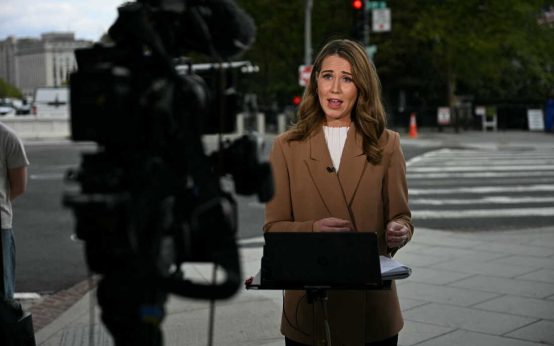 Reporters Blocked from White House by Trump Administration
  Universities Should Reject Political Influence on Research Funding
  Trump’s Approach to China: Trade Dynamics and Challenges
  Media Outlets Sue After White House Ban
  American Public Opinion on Press Freedom