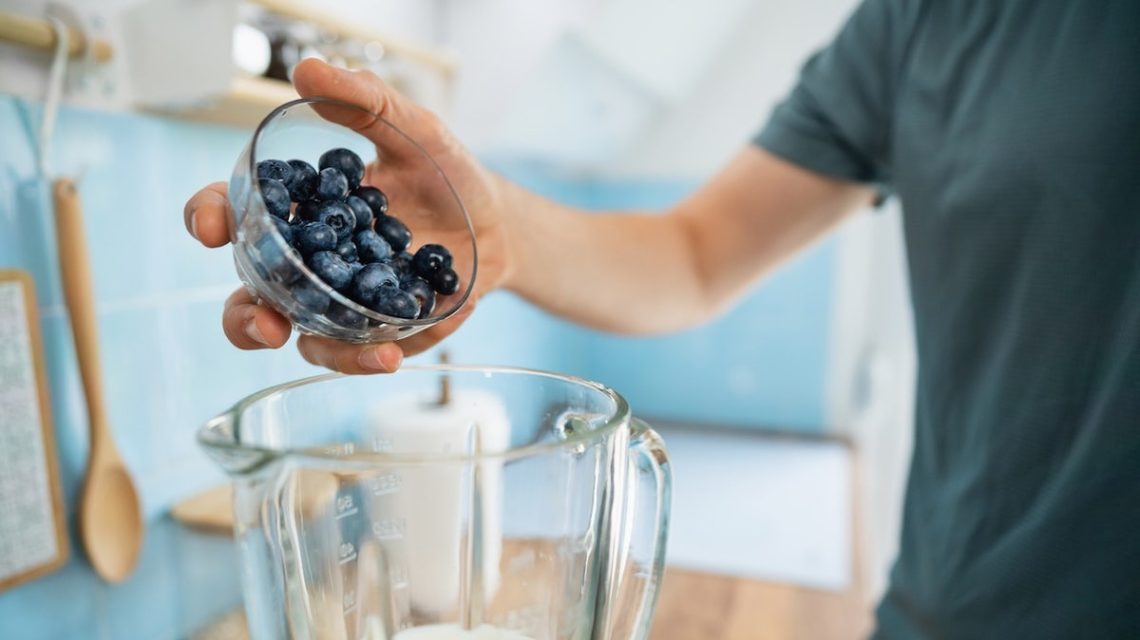
Bananas feature prominently in many smoothie recipes. Yet, a viral video has stirred concerns about their impact on the nutritional value of smoothies. Particularly, how bananas might interfere with the health benefits of other ingredients like blueberries.
In a recent episode of the “Mel Robbins Podcast,” Dr. Rhonda Patrick, a biomedical scientist and founder of FoundMyFitness, shared her smoothie-making preference, notably excluding bananas. According to Patrick, bananas contain polyphenol oxidase (PPO), an enzyme capable of breaking down polyphenols, which are compounds beneficial for gut, heart, and brain health. This enzyme is also responsible for the browning of cut fruits.
“Bananas are nutritious, and I eat them. However, if your aim is to preserve berry polyphenols, the chemistry is important.” – Dr. Rhonda Patrick
Recent research suggests that adding a banana to a blueberry smoothie might reduce the absorption of beneficial polyphenols from the berries. On the podcast, Patrick explained her alternative of using avocado to achieve the desired creamy texture. Avocado not only contains less sugar but also enhances vitamin intake and absorption of carotenoids.
The discussion ignited a debate among nutritionists, with differing opinions on the implications of the study Patrick mentioned. Published in 2023 in the journal Food & Function, the study involved eight participants who consumed either a banana smoothie, a mixed berry smoothie, or flavan-3-ol capsules with milk on separate occasions. Results indicated that the banana smoothie resulted in a significantly lower peak concentration of polyphenols compared to the other methods.
Registered dietitian nutritionist Ilana Muhlstein responded to the study’s findings, recognizing their intrigue but cautioning against overgeneralization. Muhlstein emphasized that the study’s limitations include a small sample size and the use of a flavanol supplement rather than whole fruits.
Nutritionist Robin DeCicco echoed this sentiment, asserting that the guidance regarding bananas is complex and not universally applicable. She advised that nutrition should be tailored individually, taking into account a person’s unique dietary needs and health goals.
For those aiming to enhance polyphenol intake, alternative ingredients such as avocado, frozen zucchini, or Greek yogurt can be used in smoothies to retain a creamy texture without compromising nutritional absorption.
Muhlstein provided a couple of smoothie recipes to align with various dietary preferences:
Low-Sugar High-Protein Smoothie (Without Banana)
- Unsweetened organic almond or soy milk
- 1/2-1 cup organic frozen berries
- 1 serving vanilla unsweetened plant protein powder
- 2 tablespoons ground flaxseed
- 1-2 tablespoons of all-natural organic nut/seed butter
- A few handfuls of organic mixed greens or chopped zucchini
- Cinnamon, vanilla/almond/coconut/hazelnut extract to taste
Low-Sugar High-Protein Smoothie (With Banana)
- Unsweetened organic almond or soy milk
- 1 ripe banana
- 1 serving of unsweetened, plain Greek or Icelandic yogurt
- 1/2 ripe pear or apple with skin
- 2 tablespoons ground flaxseed or chia seed
- A few handfuls of organic mixed leafy greens
- 1 serving of collagen for more protein (optional)
- Organic cinnamon, vanilla extract to taste
Ultimately, the conversation underscores the importance of individualized nutrition plans, emphasizing the need for professional consultation over generalized internet advice.
 Lawsuit Filed Over Preeclampsia Death in Texas Amid Abortion Ban Controversy
  Illinois American Water Faces Opposition Over Proposed Rate Increase
  Porsha Williams Opens Up About Emergency Surgery and Health Challenges
  Discussing Weight-Loss Medication with Children: A Parent’s Approach
  Conjoined Twins Separated in Complex Surgery
  Genetic Mutation Linked to Elevated Lung Cancer Risk