
Recent discussions between Iran and Oman are evolving, aiming to reshape control over the Strait of Hormuz. This strategic passage is crucial for global shipping, with 20% of the world’s oil and gas flowing through it. The potential deal may grant joint control over the strait’s traffic, allowing Tehran significant influence over ships entering the Gulf.
The specifics of who will manage outbound traffic remain undecided. However, the agreement might mark a crucial shift in regional power dynamics, challenging U.S. and Israeli positions on limiting Iran’s influence.
Iran and Oman reportedly reached a consensus on a new transit route through the strait, which could counter previous U.S. assertions that Iran should not control the passage. President Trump seems eager to leverage this negotiation to progress toward a broader nuclear deal with Iran, amidst a prolonged conflict in the region.
Mona Yacoubian from the Center for Strategic and International Studies suggests that any agreement favoring Iran in managing the strait could activate further U.S.-Iran peace talks. These discussions had previously stalled after a memorandum of understanding between Washington and Tehran collapsed.
This week, the details of the Iran-Oman talks have been changing rapidly. A deal might emerge by Friday, although the immediate reopening of the strait is unlikely.
The straits’ blockage has significantly impacted global economics by inflating fuel prices, highlighting its critical role in international trade.
“If there is an agreement, it will likely permit Iran to control strait traffic,” said Yacoubian.
Meanwhile, the Trump administration is navigating additional defense and security challenges. The proposed construction of a new fleet for the U.S. Navy is expected to demand substantial investment, with the first ship costing billions.
Additionally, recent cyberattacks targeting American water systems have raised alarms. The FBI has attributed these attacks to Iranian-linked hackers, underscoring heightened cybersecurity threats.
A new poll indicates American skepticism regarding the costs and achievements of the U.S. conflict with Iran. Most Americans believe the war has failed to meet its goals, questioning its overall value.
In related defense developments, appointments within the U.S. Army face opposition in political circles, hinting at challenges in military leadership confirmations.
The ongoing situation in the Strait of Hormuz remains a focal point of geopolitical interest, with potential consequences for international relations and regional stability.
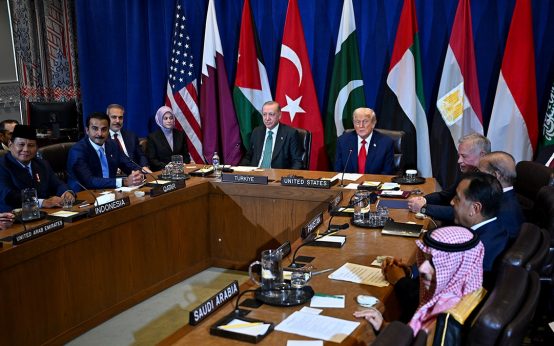 UN General Assembly and Middle East Diplomacy Amid Rising Tensions
 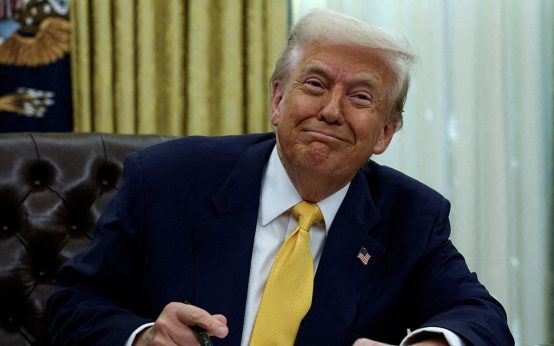 U.S. Secures New Greenland Security Agreement
 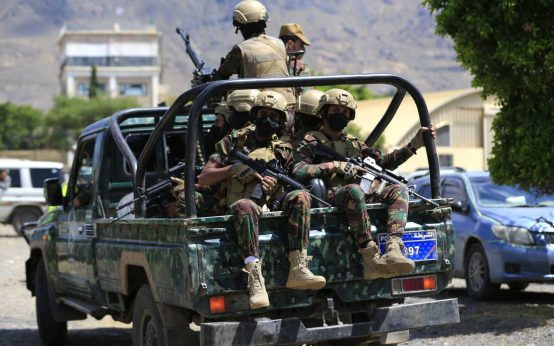 Crisis in Yemen Amid Renewed Conflict
  Fishing Expedition Uncovers US Military Drone in Gulf Waters
  Hurricane Polo Threatens Catastrophic Impact on Mexico’s Coast
 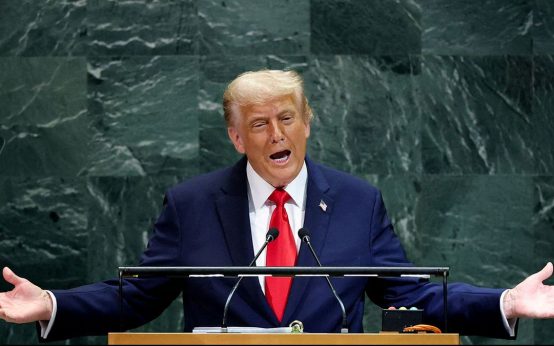 Trump’s Diplomatic Agenda: UN Speech and Global Issues