
Proposition 40 represents a significant political and economic issue that is causing widespread discontent among different sectors in California. This proposal targets the elite, aiming to levy a one-time 5% tax on billionaires, ostensibly to counteract the fallout from President Trump’s reductions to Medicaid.
Impact of Medicaid Reductions
The cuts to Medicaid pose a threat to the healthcare infrastructure of California. Millions could see their access to essential medical services compromised, potentially leading to a significant loss of medical jobs statewide. The rationale behind Proposition 40 stems from these Medicaid cuts, with Trump citing budget deficits as justification. However, critics argue this reflects an attempt to marginalize vulnerable communities.
Concerns About Proposition 40
Proposition 40’s one-time nature raises concerns about its effectiveness. Critics argue that it won’t reverse the harmful Medicaid reductions or address broader, systemic issues within California’s healthcare system and economic framework. There’s skepticism regarding the permanence of taxes labeled as ‘one-time,’ drawing parallels with Proposition 30, which extended far beyond its intended timeframe.
Criticism of Billionaires and Political Dynamics
The sentiment against billionaires has been a focal point in the discussion surrounding Proposition 40. The perceived apathy of this affluent class toward societal welfare has become a driving force in the narrative, contrasting with historical figures who contributed more actively to public welfare. The staunch opposition from some billionaires has fueled political activism among their adversaries.
California’s leftists have relied excessively on wealthy taxation, creating fiscal dependency. Data from the state budget summary reveals that the top 1% contribute approximately 45% of state personal income taxes. This financial model enforces the notion that continually taxing this minority could provoke adverse reactions.
Proposition 40’s Political Struggles
Advocacy groups both supporting and opposing the measure are causing division. While some propose alternative ballot initiatives to counter Proposition 40, the argument based on potential economic attrition from taxing billionaires doesn’t resonate strongly in the current populist climate.
Union Influence and Political Leadership
Dave Regan, the architect behind Proposition 40, faces criticism for utilizing initiatives as leverage in union negotiations, raising ethical concerns. Governor Gavin Newsom’s opposition is based on the potential deterrent effect on billionaires residing in California, even as he advocates for a national approach.
Party Division and Political Fallout
The proposal has sparked internal conflict within political circles. Despite the endorsement from the California Democratic Party’s executive board, prominent figures and organizations oppose the measure, threatening unity during a crucial election year. Conversely, the California Republican Party’s alignment with Trump’s policies undermines its moral standing, particularly its support for Medicaid cuts that disproportionately affect rural areas.
Proposition 40 remains a divisive issue, with Californians bracing for an election overshadowed by polarized debates and mounting frustration. The broader implications of this proposition assure its place as a controversial focal point in the political landscape.
 President Trump Warns of Escalating War with Iran at UN Assembly
  Tariffs and Their Impact on Everyday Products
 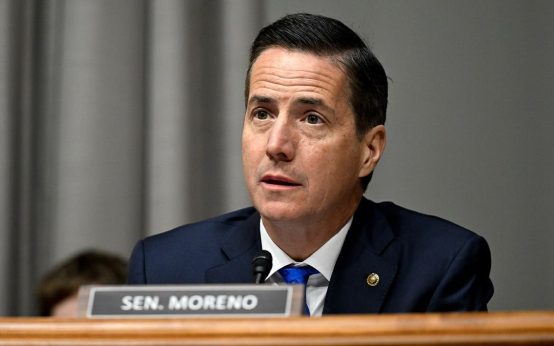 Senator Criticizes Drug Policy After Ohio Tragedy
  Israeli Leader’s Upcoming U.N. Assembly Speech Marked by Controversy
  Republicans Call for Quick Resolution to Iran Conflict
  United States Secures Arctic Defense Pact