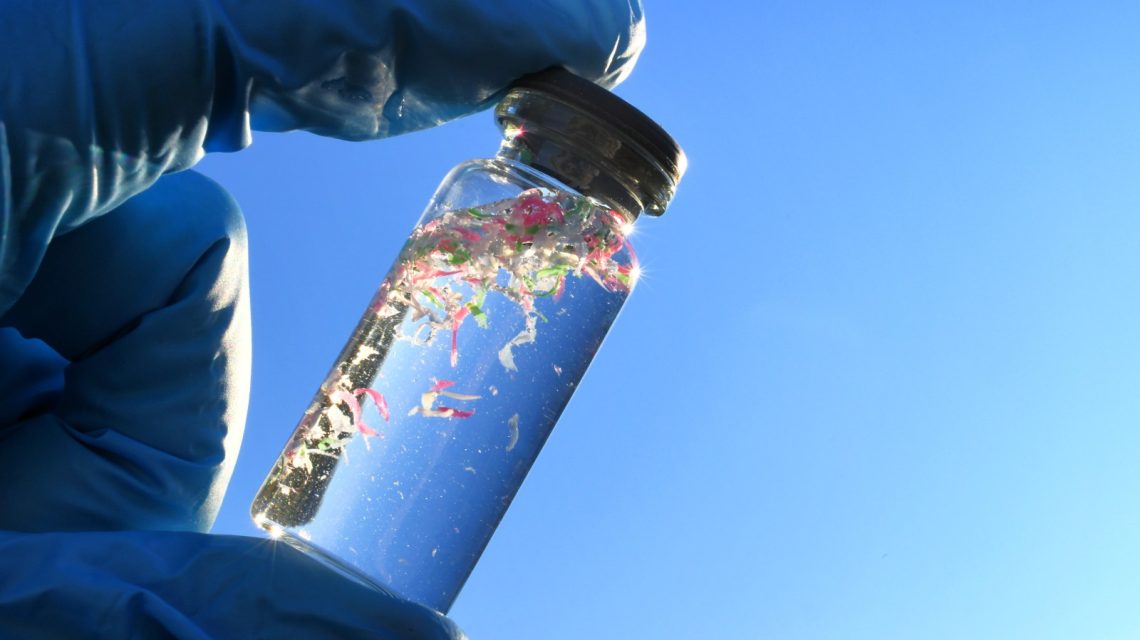
Recent research suggests that a type of plastic commonly used in food packaging may contribute to fatty liver disease and exacerbate the condition when combined with an unhealthy diet. Scientists from Texas A&M University discovered that polyethylene, among the most widely used plastics globally, increases markers of fatty liver disease. The condition worsened when accompanied by a high-fat, fructose, and cholesterol-rich diet.
Microplastics, including polyethylene particles, have been detected in the environment and within the human body. Despite accounting for about one-third of global plastic production, polyethylene’s effects on health have received limited attention. Dr. Adi Joshi, from Texas A&M’s Department of Veterinary Physiology and Pharmacology, highlighted the absence of studies examining polyethylene’s impact on liver health, despite its widespread use.
Polyethylene and Fatty Liver Disease
The research aimed to determine if polyethylene contributes to fatty liver disease, where excess fat accumulates in liver cells. Findings showed increased disease markers with polyethylene exposure, with intensified effects when combined with a Western diet. “Those with Western-style diets, including burgers and sodas, might face a higher risk of developing fatty liver disease if exposed to polyethylene,” Joshi noted.
To explore the liver’s response, researchers collaborated with scientists from the University of Oklahoma, using spatial transcriptomics to study gene activity within tissue cells. The study identified PPAR-alpha, a protein regulating fat production, and ANXA2, a gene linked to tissue repair, as key contributors to the disease process.
Dr. Nhan Nguyen remarked on the study’s significance, noting that while no direct causal link in humans exists, polyethylene has been found in human liver tissue. He emphasized the need for caution in drawing conclusions about human health from this research alone, particularly regarding realistic human intake levels.
Future Directions
The researchers plan further investigations into polyethylene’s role in advanced liver disease stages and potential molecular pathways implicated in microplastic exposure. They also aim to explore whether modifying the PPAR-alpha pathway could mitigate polyethylene’s harmful effects on the liver.
Nguyen suggested that studies like this could enhance public awareness of microplastics and environmental chemicals. He expressed hope that rising awareness, as microplastics and PFAS increasingly appear in headlines, could highlight the chemicals’ dangers present in everyday products, heightening societal consciousness.
Reference: Joshi et al. Spatial transcriptome mapping identifies Ppara-Anxa2 cross-talk in microplastic-induced hepatotoxicity. Science Advances. DOI: 10.1126/sciadv.aec868
For further inquiries, contact Newsweek editors Kara Dolman and Gray R. Thomas on this story.
 Understanding Addiction Risks After Presley Gerber’s Death
  Managing Distress: Insights and Techniques
  Best Practices for Safe Consumption of Fresh Produce
  The Complexity and Prevention of Suicide
  A Journey Through Cancer: Reflections on Diagnosis and Metaphor
  Impact of Sleep Types on Disease Risk