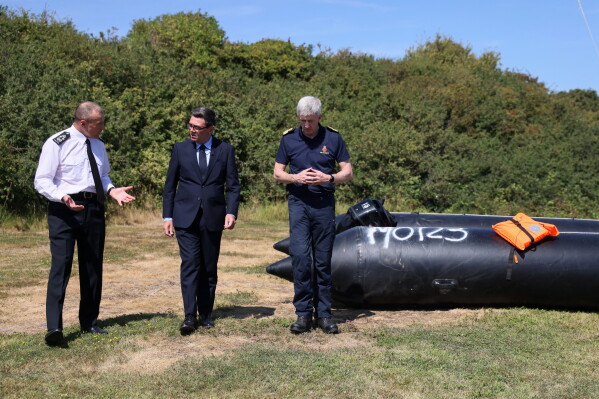
A teenage girl from Tangier reached Spanish territory, but her younger brother drowned in the Mediterranean. Their mother went missing in a chaotic surge of people trying to leave Morocco. This heartbreaking tale reflects the situation of many of the over 800 minors who, four days after a mass migration into Ceuta, face a troubling present and uncertain future.
The Associated Press spoke with the 17-year-old, who described how she and her family attempted to swim around a border fence into Spanish territory. They joined many others seeking better opportunities. The AP withheld her name because she is a vulnerable minor.
She saw Spanish authorities retrieve her 8-year-old brother’s body from the water. She reached the shore but lost contact with her mother. Alone for four days, some locals provided her with food and clothes, and one woman offered her a place to bathe. She sought help at a government-run youth center, but it was full.
“I saw people stepping on the dead,”she said through a translator, as she doesn’t speak Spanish.“Now we are children begging on the street.”
On Monday, approximately 860 minors remained in Ceuta, according to local officials. AP journalists observed minors asking for food. Migrants who crossed from Morocco were seen sleeping on a beach in Ceuta.
The minors form a significant part of the 3,000-5,000 migrants who avoided expulsion, out of the original 60,000 who entered. Spanish authorities confirmed 72 deaths occurred during the crossing, mostly in the water, while Morocco reported 11 additional deaths.
Spanish law requires that minors must be cared for. An unaccompanied Moroccan boy, escorted by Spanish soldiers to the border, was stopped from deportation by a high-ranking official after residents and journalists intervened, affirming he was a minor. The boy was then transferred to the Spanish Civil Guard.
While most Moroccan adults have chosen to return home or were sent back by police, many remain in Ceuta. These include Sudanese fleeing conflict, Palestinians from Gaza, Afghans, and others from African nations. Migrants gather around bonfires on beaches, their sights set on mainland Europe across the sea.
The local migrant center, with a capacity of 600, is at full capacity. Forced hunger and exhaustion aim to encourage these individuals to return to Morocco voluntarily, according to Ramsés Mohamed Azumik of Asociación Elín, a local migration activist group. Meanwhile, many sleep on beaches or hills, with Europe visible across the water.
 U.S. Strategic Goals Remain Unmet Amid Prolonged Conflict
  New Photos Reveal Damage from Iranian Strikes in the Middle East
  Assassin of Chilean Diplomat Orlando Letelier Faces Deportation 50 Years After Assassination
  Gorillaz and Macklemore Respond to Controversy Over Israel-Palestine Statements
 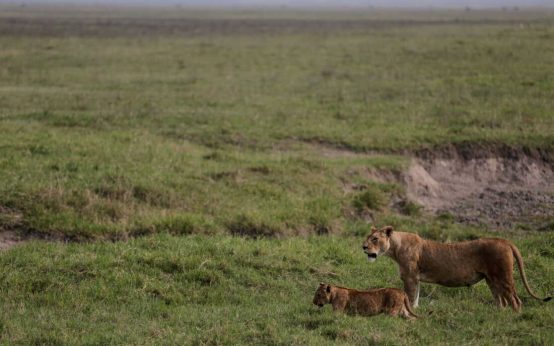 Investigation into Lion Deaths in Tanzania
 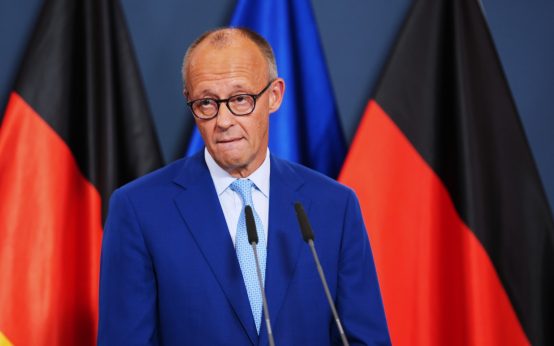 Merz Stays Resolute Amid Electoral Shifts in Germany