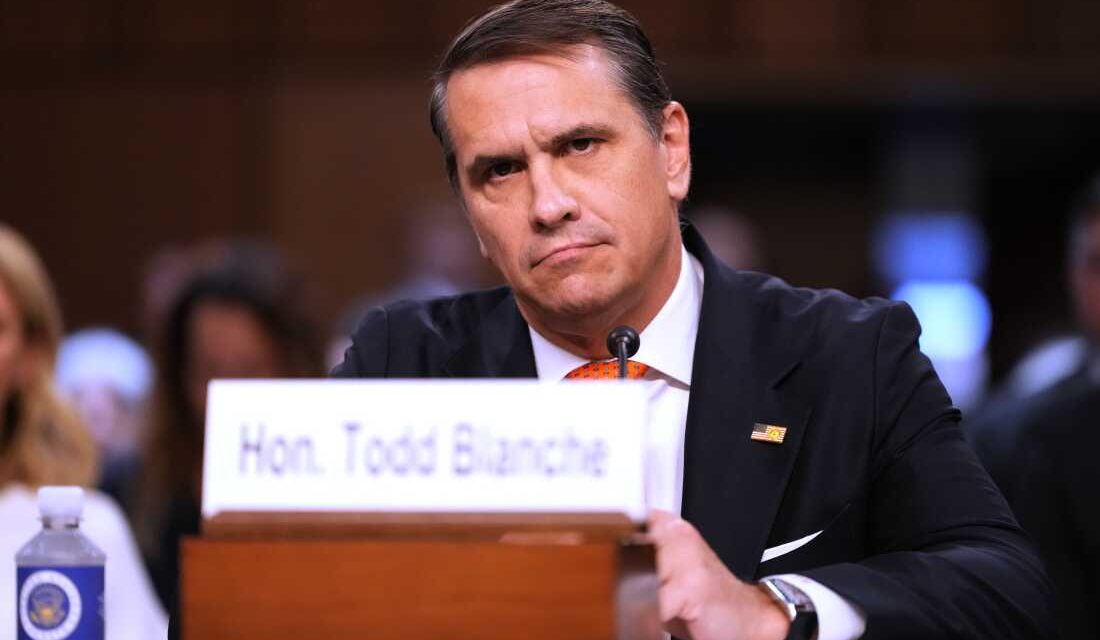
Acting Attorney General Todd Blanche appeared before the Senate Judiciary Committee on Capitol Hill in Washington on July 15, 2026. This appearance follows his formal order to terminate President Donald Trump’s $1.8 billion “anti-weaponization fund”. The fund aimed to compensate Trump’s political allies, but Blanche’s decision emerged after negotiations with two Republican senators blocking his nomination as attorney general.
A spokeswoman for Texas Sen. John Cornyn confirmed the deal, which precedes a Tuesday confirmation vote for Blanche’s nomination in the Senate Judiciary Committee. North Carolina Sen. Thom Tillis, the other GOP senator involved, did not immediately comment. During a June hearing, Blanche indicated opposition to the fund due to concerns that potential payouts might include those who attacked the U.S. Capitol on January 6, 2021.
Cornyn and Tillis, both Judiciary panel members, wanted written assurances before supporting Blanche’s nomination, especially since Trump continued to endorse the fund. Blanche stated the order followed “good faith discussions” with committee members and senators over the past weeks.
“My team and I have met with committee members and Senators over the past several weeks to address any concerns or outstanding questions,”Blanche said.
Justice Department Affirms Termination of Fund
The Justice Department issued a statement to clarify the termination of the fund. It noted that Blanche had advised Congress multiple times that the fund would not proceed and had expressly communicated this to district courts. The Department rescinded the May 18, 2026 order, confirming no members were appointed, no funds were transferred, and no claims were paid.
The document further limits another settlement provision that granted broad tax audit immunity for Trump and his family. It clarifies that the immunity applies only retroactively to open claims at the settlement time, not future tax filings.
Cornyn and Tillis Block Blanche’s Nomination
Cornyn, who lost re-election this year after Trump endorsed his opponent, and Tillis, who will retire in January, have impeded Blanche’s nomination. They seek more commitments from the administration, despite earlier indications of Justice Department willingness to negotiate. The White House showed reluctance to aid Blanche’s confirmation, given his ties to Trump.
Cornyn voiced that he and Blanche were aligned, but Trump’s awareness created complications. Blanche joined the Justice Department last year and became acting attorney general after Pam Bondi’s firing in April due to Trump’s dissatisfaction with her performance.
Trump’s Continued Support and Legal Battles
Despite opposition, Trump supports the fund’s potential benefits for those charged from the Capitol attack. He suggested the fund could offer reimbursement for their hardships. Trump’s social media intimations threatened to withdraw Blanche’s nomination and reconsider it post-Cornyn and Tillis’s tenure next year.
Trump’s attorneys have announced plans to appeal a ruling criticizing the settlement with the IRS. The judge’s remarks included a potential disciplinary action for one of Trump’s lawyers and doubts about Blanche’s involvement. Blanche disagreed with the judge’s inferences.
Previously, Justice Department lawyers assured the court that the fund was inactive. However, they refused a judge’s request to file a perjury-penal declaration prohibiting further fund-related actions, considering the court’s demands unnecessary.
 A Mother’s Tragic Journey Under Abortion Ban
  U.S. Strategic Goals Remain Unmet Amid Prolonged Conflict
  The Impact of Arts and Closure on Democracy
 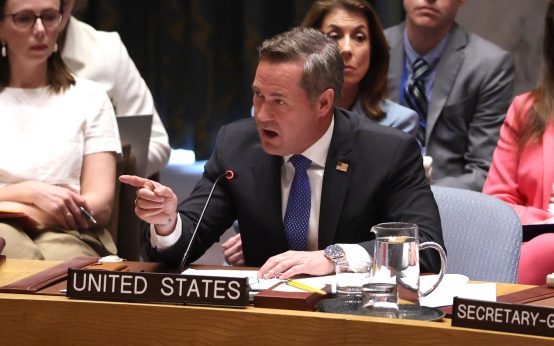 U.S. Ambassador Comments on Iran War Duration Amid Political Concerns
 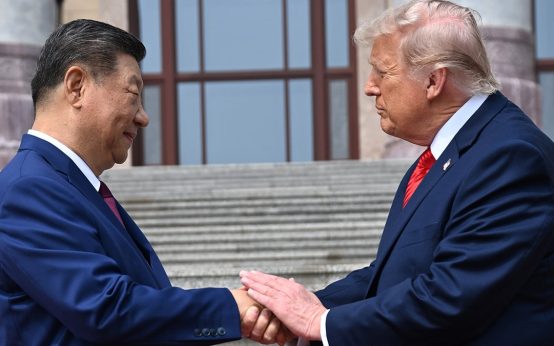 US-China Relations Under Scrutiny: Expert Warns of Escalating Tensions
  No Timeline for End of Iran Conflict