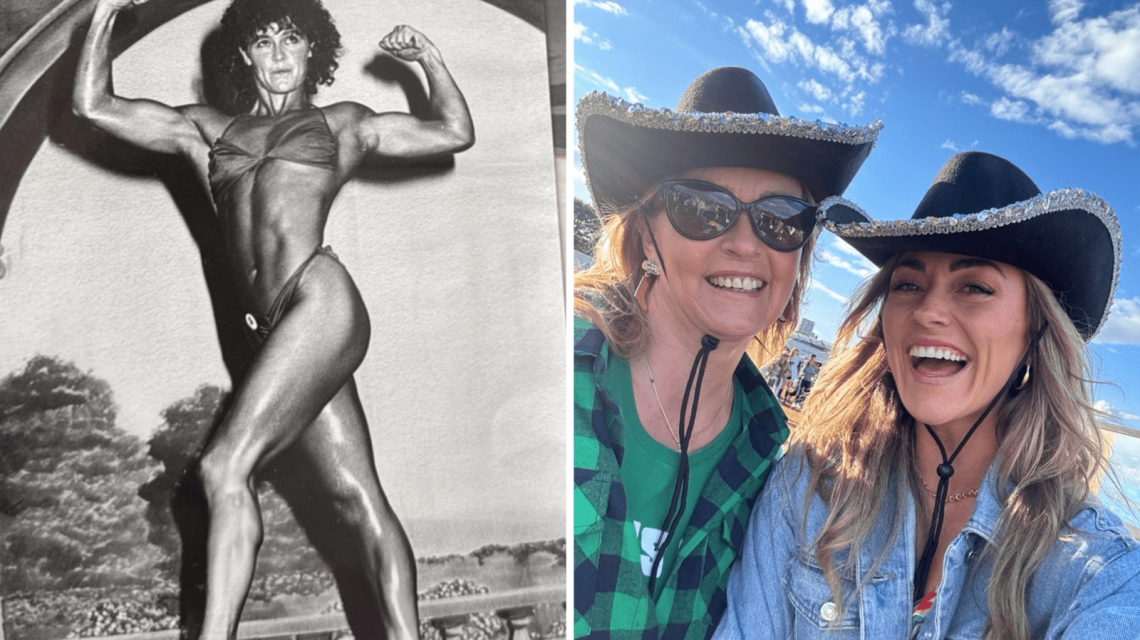
Growing up, my mother was the fittest and strongest person in my life. Competing as a gymnast at a national level and representing Great Britain, she later turned to bodybuilding and worked in gyms. Fitness, family, and adventure defined her life. When my brother and I were just five and seven, our parents took us out of school for two years to travel the world, with mom homeschooling us. She was always energetic, filled with life, and taught us to embrace every moment.
This vibrant spirit is why we grew concerned when she began withdrawing from us in her early 50s. Changes in her personality became clear, with unexpected mood swings, depression, and isolation. It was uncharacteristic for someone so family-oriented.
At that time, doctors suggested it might be a midlife crisis or menopause. She was too young for anyone to suspect a neurological condition. The uncertainty created turmoil for our family. Reflecting back, I wish we could have done more to support her, but we didn’t understand what was happening.
At 57, language difficulties started to show. After several tests, she was diagnosed with early-onset Alzheimer’s, affecting approximately 7.75 million people globally aged 40 to 64. The diagnosis was both relieving, as it provided answers, and heartbreaking. Dementia is often associated with old age, making it difficult to accept due to her relatively young age. We pursued additional tests, hoping for a different explanation.
She understood her diagnosis, which heavily impacted her mental health. My brother and I, both in our 20s then, took over power of attorney. It was a major shock as her independence dwindled without the ability to drive. With no cure available, the only option was medication to potentially slow the disease’s progress.
We learned grief isn’t limited to death. We began mourning our mom while she was still with us, witnessing the gradual changes in her. It’s the most challenging experience our family has faced.
Seven years following her diagnosis, mom continues to live at home, supported by dedicated full-time carers. She needs help with cooking, receiving medication, and daily tasks. Life doesn’t end with a diagnosis; this is a vital lesson we have learned. Initially, we overprotected her, wrapping her in figurative cotton wool. This approach was not ideal.
Movement, music, and shared experiences gained importance. Dancing and music now serve as our shared language. Without words, we dance and walk together, enjoying activities that bring her happiness. It’s crucial to help those with Alzheimer’s maintain their identity and confidence.
Mom remains proud of her bodybuilding years. I initially hesitated to share our journey publicly. Many families endure similar experiences quietly. Today, we remain committed to mom. I regularly share our adventures on Instagram @talillahenchoz, including a poignant visit for wedding dress shopping.
Such a day was something I dreamed of sharing with her. I feared she might not understand, given her condition. Despite my concerns, I knew I couldn’t allow Alzheimer’s to steal this experience. It became one of our most cherished days. We both cried when I donned the first dress. Her tear-filled eyes and smile spoke volumes. It was a moment I wasn’t sure was still possible.
This day demonstrated the importance of never giving up on loved ones with Alzheimer’s. Even now, mom recalls that trip vividly, proving that experiences can still trigger memories and emotions.
Sharing our story might help another family recognize that dementia affects younger people. It encourages others to continue sharing meaningful moments. Alzheimer’s altered our lives permanently, yet it hasn’t stripped mom of her ability to experience joy, love, and connection. These moments are precious, and we cherish each one.
Talilla Henchoz, 32, is an online fitness coach from Surrey. She shared her story to raise awareness of early-onset Alzheimer’s, following her mother, Debbie Henchoz, a 64-year-old marketing manager for gyms, navigating the condition.
 Understanding Addiction Risks After Presley Gerber’s Death
  Navigating Relationships with Inconsistent Communication
  Historical Highlights of September 22 in Chicago
  Austin Protests Erupt After ICE Agent Shoots Venezuelan Man
  Cindy Crawford’s Son Presley Gerber Dies
  Democrats Navigate Transgender Athlete Debate Amid Midterm Elections