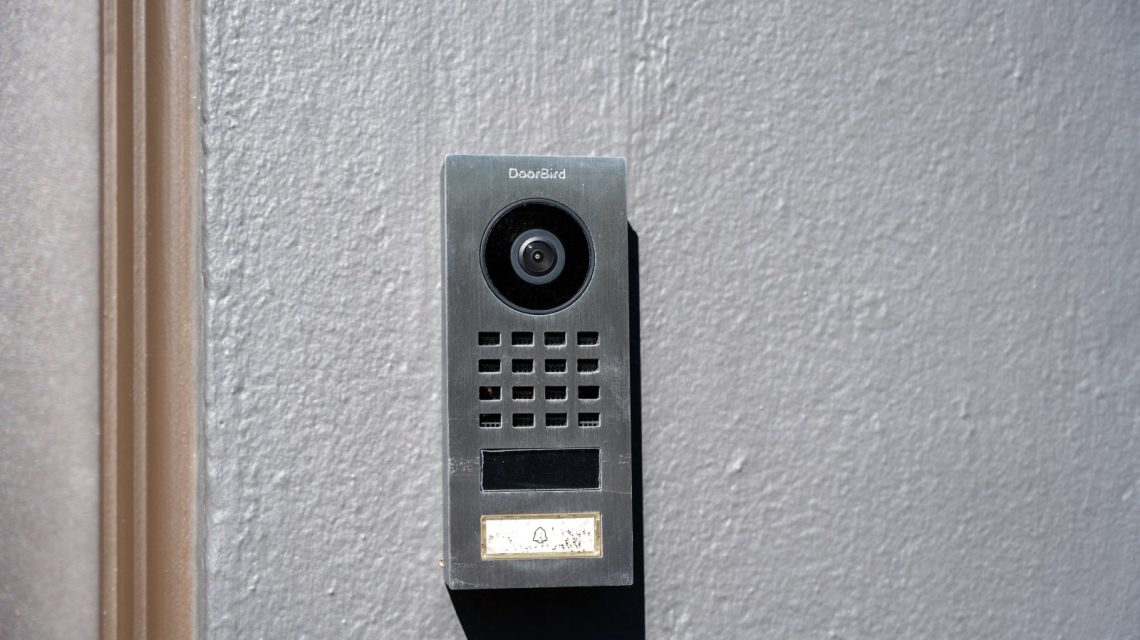
With the growing presence of smart-home technology, many home sellers now use cameras and recording devices during property tours. This gives them access to potential buyers’ private conversations and reactions. An inquiry by LendingTree in June 2026 with 2,000 participants revealed that 56% of sellers used hidden cameras during home viewings, and 72% of buyers felt they were monitored.
This trend reveals a growing issue in the real estate market. Sellers now have tools to protect their properties and gather information, whereas buyers worry about their private discussions being recorded. These discussions often include first impressions and negotiation tactics.
According to Greg Field, a Solar Home Realtor® in Tempe, AZ, “Modern smart doorbells capture clear audio 50 feet away.” This suggests to buyers that the moment they arrive at a property, they are effectively in a reality show.
Why Sellers Use Surveillance
The primary reason sellers use cameras is for security, with 61% acknowledging surveillance to monitor potential buyers. Some sellers (19%) also aim to understand what buyers like or dislike. A fraction (18%) listens for agents’ comments and glean insights into buyers’ interests.
Cara Ameer from Coldwell Banker advises, “Homebuyers should assume everything they say or do is recorded and plan accordingly.” LendingTree’s Matt Schulz agrees, urging caution about when to discuss matters you wish to keep private.
Buyers’ Reactions to Being Secretly Recorded
The potential for being watched can affect buyers’ behavior during showings. Real estate agents often caution clients to be careful about discussing properties inside a home. Buyers who previously expressed opinions freely might now reserve these discussions for outside.
Surveys found that 19% of buyers left showings due to surveillance concerns, and 18% chose not to make offers. Furthermore, 64% worry about being monitored during tours. In response, over 20% avoided discussing finances or expressing excitement.
Additionally, 34% of people said the presence of recording devices would make them less likely to submit an offer.
Legal and Ethical Considerations
Whether sellers can legally record home tours depends on the property location and what’s recorded. Video inside a home is common, but audio recording is legally complex. If buyers aren’t informed audio is being recorded, it could violate real estate ethics and laws on wiretapping.
Video surveillance and audio recording generally follow different regulations, with many states having stricter rules about recording private conversations without consent.
Professionals often suggest sellers disclose recording devices and advise buyers to assume conversations might be overheard. Thus, saving discussions about strategy or property opinions for after leaving a property is wise.
In today’s connected housing market, open houses serve not only for buyers to evaluate a property but also as an opportunity for sellers to evaluate the buyers.
 Los Angeles Multifamily Housing Market Challenges and Decline
  Former Chicago Federal Prosecutor Sells Lincoln Park Mansion
  Jevon Carter Sells Chicago Townhome in West Town Neighborhood
  Luxury Home in River Forest with Elegant Features
  Disclosing Neighborhood Rumors: A Decision to Consider
  Historic Church Transformed Into Los Angeles Boutique Hotel