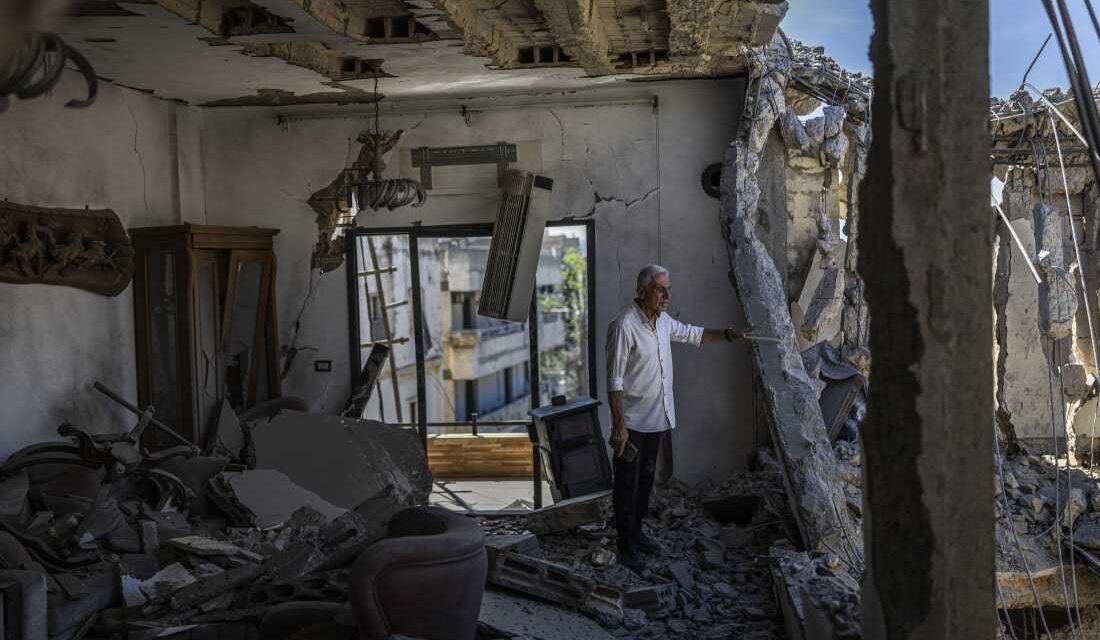
Najib Ayyad stands in his damaged apartment in Nabatiyeh, Lebanon, knowing it may soon be demolished. From here, he can see Beaufort Castle, a medieval fortress occupied by Israeli forces, a site of personal and historical significance. He points out, ‘You see the castle?’ noting its strategic position.
In May, Israeli troops took control of Beaufort Castle, extending beyond what Israel describes as a security zone in southern Lebanon. Ayyad explains, ‘They can see us clearly from there.’ Living in the apartment, even if undamaged, is unthinkable.
On a June visit, smoke drifts from an Israeli artillery strike near Nabatiyeh, a key southern city. The noise of Israeli drones fills the air. Despite the devastation, residents make tentative steps toward rebuilding their lives.
Nabatiyeh is a hub for Hezbollah, which is now under Israeli attack. Though Hezbollah is both a political force and social service provider, much of the damage is suffered by civilians. Health officials report over 4,200 people killed since the conflict’s onset in March, with a significant number being women and children. Israel has suffered losses too, with 37 soldiers, one contractor, and two civilians killed by Hezbollah.
Nabatiyeh’s historical old market, once a bustling trade center, lies in ruins. The city has a history of conflict; Israeli forces occupied it in 1982, leaving three years later. Mayor Abbas Fakhreddin urges residents to delay returning due to the security situation and lack of basic necessities. Extensive repair work is required for recovery.
We are telling people to wait to come back, not only because of the security situation but also because we don’t have the necessities of life. There is a huge amount of work to be done here.
Hanan Hamadi’s small convenience store, though less grand than the market, symbolizes persistence against war’s destruction. Upon returning with her mother from Beirut, they cleared debris and reopened. Small comforts, like selling candy to children affected by attacks, mark their determination.
Despite the devastation, some families have not returned. The Basma family, victims of a March airstrike, remain under rubble. Amnesty International condemns the attack as a potential war crime, noting no military targets in the vicinity. Interviews with neighbors reveal the family’s warmth and community ties, now tragically severed.
Hamadi expresses resilience but acknowledges fatigue: ‘We are very resilient, but at the same time we have reached a stage where we are tired.’
First responders in Nabatiyeh face immense challenges. More than 130 volunteers have died, including those responding to injured civilians. Among them was Jude Sleiman, a 16-year-old paramedic killed while delivering food. His father, Mohammad Sleiman, recounts the toll on their volunteer unit. ‘This is creating a lot of psychological pressure,’ he states.
Despite safety risks, the team remains committed to their mission. Mohamad Sleiman recalls the city’s once lively streets, now emptied by war and uncertainty. He and his team await airstrikes but stay focused on their humanitarian duties.
Ali Rida, a Nabatiyeh paramedic, dreams of seeing New York at Christmas, a wish inspired by movies. While uncertainty looms over travel, his dedication to volunteer work in Lebanon remains steadfast. ‘This is our duty,’ he insists, embodying the unyielding spirit of Nabatiyeh’s residents.
 The Cost of Challenging Beijing
 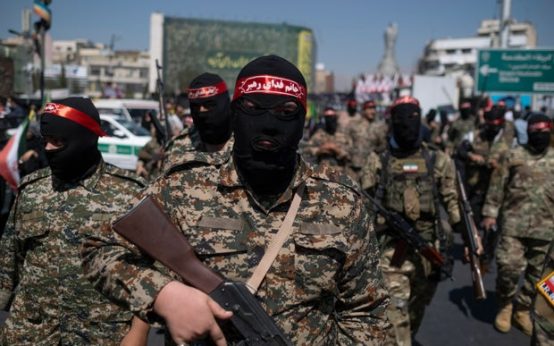 Tensions Escalate in Iran Conflict as Global Leaders Weigh Options
  White House Approves F-35 Sales to Saudi Arabia Amidst Regional Tensions
  Inside the Secret Deals Powering the President’s Push to Deport Migrants to Countries Not Their Own
  Navigating the Challenges of Third-Country Deportations
 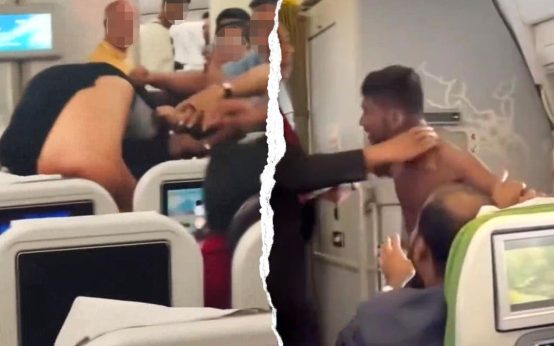 Midair Altercation on Bangladesh to London Flight