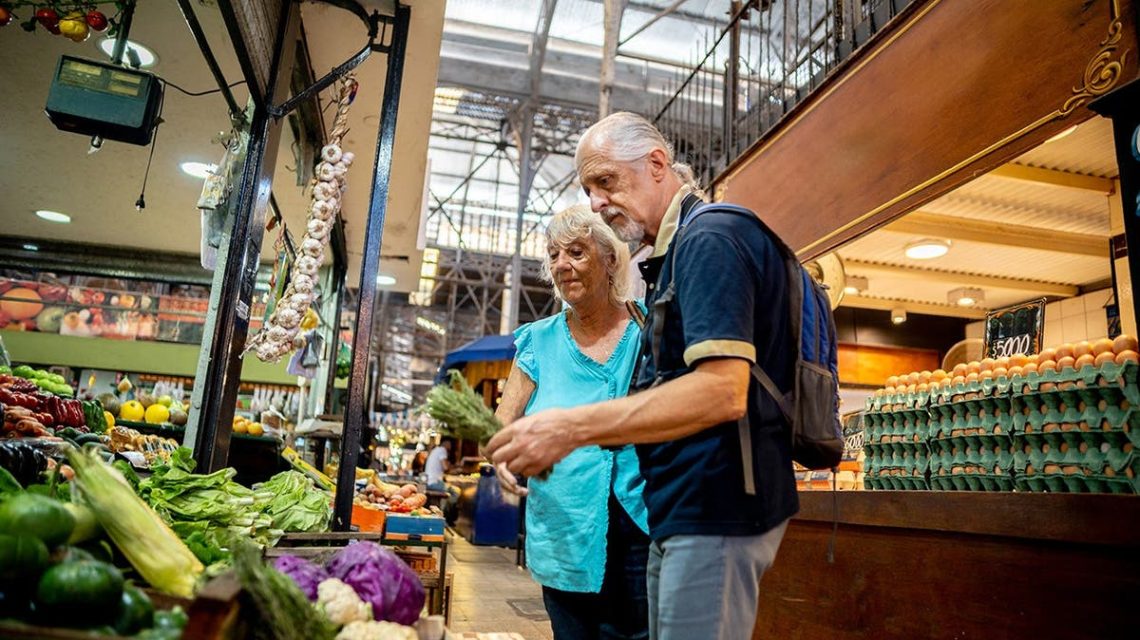
Grocery shopping has transformed significantly over the last 50 years. This evolution has generated dissatisfaction among many, particularly baby boomers. Born between 1946 and 1964, this generation finds several modern grocery store features challenging, according to The Takeout.
Self-Checkout Systems
A YouGov survey highlights baby boomers’ preference for cashier-assisted checkouts. Among respondents aged 65 and over, 62% favored cashier aid compared to 34% who opted for self-checkout. For those aged 45-64, 50% preferred cashier assistance. Younger shoppers, aged 18-29, showed a 52% preference for self-checkout. Challenges with self-checkout include weighing produce, reduced human interaction, and feeling they are performing labor for free.
Preference for Traditional Grocery Stores
Baby boomers emphasize cleanliness and organization in grocery stores, as per a 2024 Feedback Group survey. Supermarkets are preferred by 32% of boomers, with Walmart following at 28%. In contrast, Gen X favors Walmart (28%), while Gen Z prefers Walmart (23%), Aldi (20%), dollar stores (17%), and club stores (15%). Traditional supermarkets rank low among Gen Z shoppers, at only 11% preference.
Product Search Challenges
Grocers strategically place products to extend shopping time, which frustrates some shoppers, especially when products are frequently relocated, as noted in social-media responses highlighted by The Takeout.
Digital Coupon Concerns
Pew Research Center finds an increase in tech use among those 65 and older. Despite this rise, baby boomers feel digital-only coupons disadvantage shoppers without smartphones. Trader Joe’s, however, stands out by not offering discounts or sales.
Importance of Shopping Carts
Shopping carts serve more than a utilitarian role for some older adults. They provide mobility, stability, and rest aid. Several baby boomers express the need for carts that are easy to maneuver and push, according to responses on social media.
Brand Loyalty and Generic Products
Younger shoppers often purchase budget or off-brand products. However, many baby boomers remain loyal to name brands, with 26% rarely switching from their preferred options, based on a Numerator survey. This preference remains evident despite discussions on platforms like Reddit.
Frustration with Sold-Out Products
The COVID-19 pandemic accustomed Americans to encountering out-of-stock items. Nevertheless, baby boomers, often living on fixed incomes, find sale-priced product unavailability especially challenging. Sale items help stretch their grocery budgets, emphasizing the importance of stock availability.
Impact of Understaffing
Recent recruitment challenges in food retail have led to understaffing, affecting the shopping experience for baby boomers. Many associate staff shortages with longer checkout lines, slower service, and fewer chances for personal interaction with employees, as noted on social media.
Lack of Dedicated Grocery Baggers
The removal of dedicated grocery baggers aligns with other frustrations, like self-checkout and understaffing. Many baby boomers express irritation at having to bag their groceries, considering it an unnecessary chore.
Preference Against Convenience Foods
Millennials frequently purchase prepared grocery meals, based on a U.S. Department of Agriculture survey. These meals come at a higher cost due to convenience. Research from FMI reveals that 29% of those aged 65 and over buy prepared foods to save time, compared with 45% of those aged 15-24.
Article by Teresa Mull, Lifestyle team, Fox News Digital.
 Early Halloween at Triton College with ‘Trunk-or-Treat in Space’
  Identifying Ultra-Processed Peanut Butter
  Tribune Holiday Cookie Contest Celebrates 40 Years
  Restaurants Introduce Phone-Free Dining to Enhance Guest Experience
  Navigating Complex Adult Friendships
  Toddler Finds Comfort in Toy Leaf Blower for Sleep