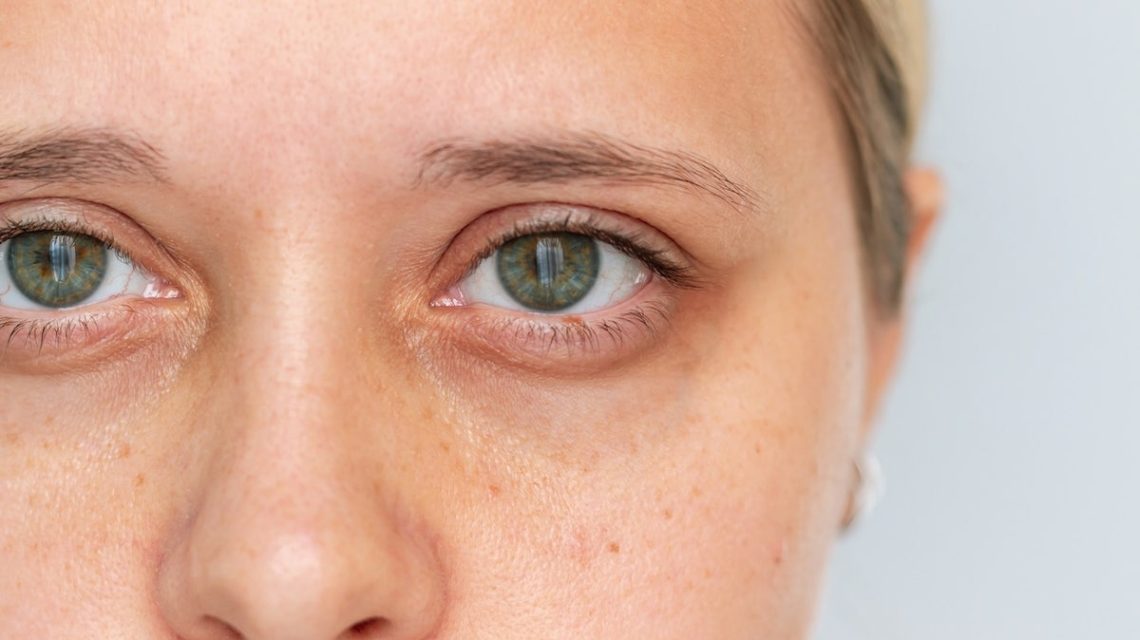
Doctors suggest that dark under-eye circles might not only be a cosmetic issue. They could sometimes indicate low iron stores, a condition gaining attention on social media as ‘ferritin face.’
What is Ferritin?
Dr. Josef Hadeed, a double board-certified plastic surgeon, describes ferritin as the body’s ‘iron storage vault.’ It is a protein that stores iron in the body’s cells, releasing it when necessary. When ferritin levels drop, the body struggles to produce hemoglobin, an iron-rich protein in red blood cells that carries oxygen to tissues.
Low iron levels affect skin elasticity, making tissues appear thinner and less resilient. Consequently, the naturally darker tissue under the eyes becomes more noticeable. Low hemoglobin can lead to pale skin and more pronounced under-eye circles.
Symptoms and Recognition
Beyond pale skin and dark circles, other symptoms may suggest low iron.
- Fatigue and low energy
- Dizziness and lightheadedness
- Headaches and fainting
- Brittle nails and hair loss
- Cravings for chewing ice
- Restless legs syndrome
Some individuals may experience reduced exercise tolerance, concentration difficulties, or shortness of breath during exertion. Other signs include rapid heartbeat, a pounding sensation in the ears, a sore tongue, and intolerance to cold.
Identifying the Causes
Beyond cosmetics, ferritin face may indicate underlying medical issues, such as chronic bleeding, gastrointestinal disorders, or cancers. With an increase in bariatric surgery, more patients are experiencing iron deficiency due to impaired absorption. Certain medications, like proton pump inhibitors and H2-receptor blockers, may also contribute to low iron levels.
Pregnancy, heavy menstrual bleeding, and frequent blood donation can lower iron levels. Vegetarians and vegans might be at risk as well. Addressing low iron involves determining its cause to prevent recurrence.
Diagnosis and Treatment
If you suspect low ferritin, consult a physician. Self-treatment is not advisable. Excess iron can harm the liver and heart, as the body does not easily excrete it. A healthcare professional can conduct a simple blood test to check iron levels. Further tests may include stool and urine analyses to check for blood and endoscopies to examine the esophagus, stomach, and colon. Women might also need a gynecological evaluation.
Treatment options include oral supplements or, in severe anemia cases, intravenous iron or blood transfusions. Oral iron may cause gastrointestinal side effects, which can often be minimized by adjusting dosages.
Incorporating iron-rich foods into the diet can help. Foods like beef, lamb, and organ meats, as well as leafy greens, legumes, and iron-enriched grains, can be beneficial. Ferritin face is reversible. Once iron levels are restored, the skin’s healthy color returns, fading dark circles over time.
 Concerns Over Food Safety and Its Impact on Families
  A Mother’s Tragic Journey Under Abortion Ban
  Medical Diagnosis Errors: Understanding the Crisis
  Lymphatic Drainage and Ice Sculpting: Emerging Wellness Trends
  The Rising Trend of GLP-1 Medications Among College Students
  The Challenges and Opportunities of Testosterone Therapy for Menopausal Women