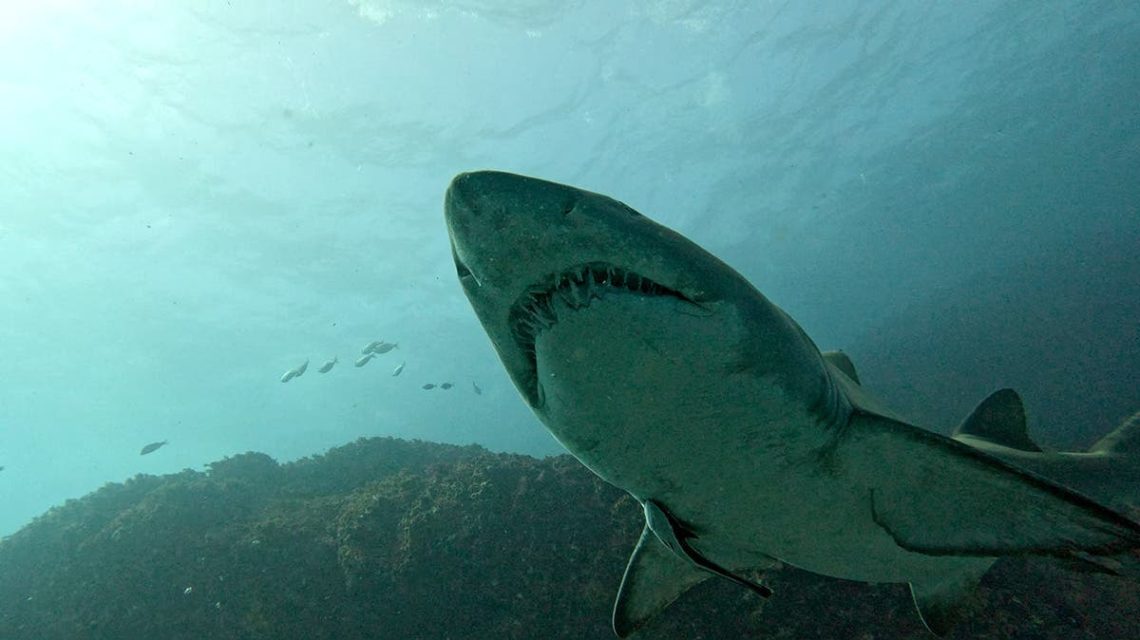
OCEARCH founder Chris Fischer suggests swimming in ‘quiet areas’ of the ocean can minimize the risk of shark attacks as shark sightings rise. Recent shark incidents involved New York beach closures, a swimmer bitten in Queens, and a child attacked in knee-deep Florida water. Fischer credits a rebound in shark populations, similar to 1960s levels, and recommends avoiding swimming near active bait fish.
In preparation for the 2028 Los Angeles Olympics, California State University Long Beach scientists are creating a solar-powered shark-surveillance robot. This robot aims to safeguard athletes and beachgoers by patrolling coastal waters, detecting tagged sharks, collecting water samples, and launching aerial drones to provide real-time data to lifeguards.
If shark attacks are reported nearby, individuals are less likely to be bitten, experts emphasize.
The craft, about the dimensions of a paddleboard, will patrol beaches up to a week. Equipped with drones, it will detect acoustically tagged sharks and analyze water samples for shark DNA. Hosted Olympic events, including open-water swimming in Long Beach and surfing in Orange County, require these enhanced safety measures.
Chris Lowe, Shark Lab Director, states the objective isn’t to alarm whenever sharks approach. Sharks often visit Southern California beaches without incidents. The technology aims to provide lifeguards with vital data for informed safety decisions and public advisories. The Shark Lab has tagged numerous juvenile white sharks along the California coast using aerial drones and underwater listening stations.
The new surveillance vessel centralizes these tools. Research and development continue before deploying robotic shark spotters. Despite challenges, including the looming expiration of state funding initially supporting the vessel’s development, efforts persist. Continued shark tagging remains essential for the robot’s functionality.
While the Olympics serve as a deadline, Lowe emphasizes the program’s continuity beyond 2028, ensuring long-term beach safety enhancements.
 Travis Kelce Sparks Excitement at Arrowhead Stadium
  Dallas Cowboys Defeat Washington Commanders Amid Player Injury
 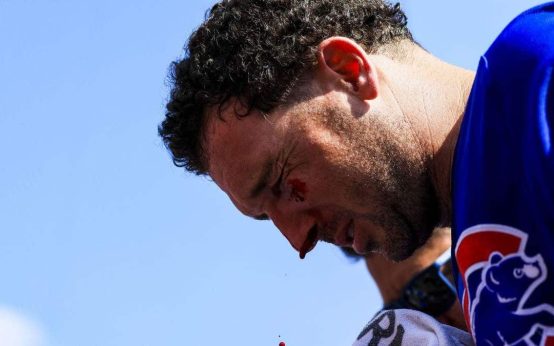 Chicago Cubs’ Alex Bregman Suffers Facial Injury from Foul Ball
 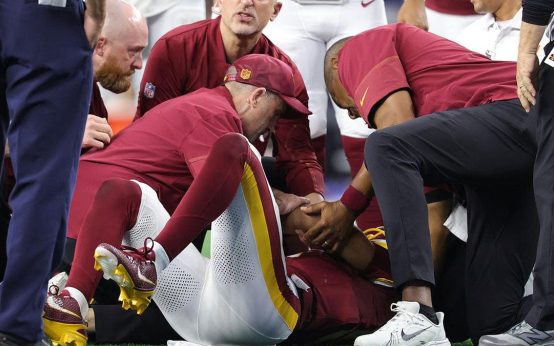 Washington Commanders Face Major Setback as QB Jayden Daniels Suffers Elbow Injury
 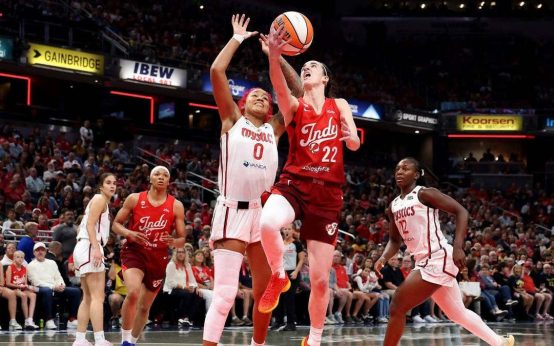 Indiana Fever’s Struggles Against Washington Mystics
 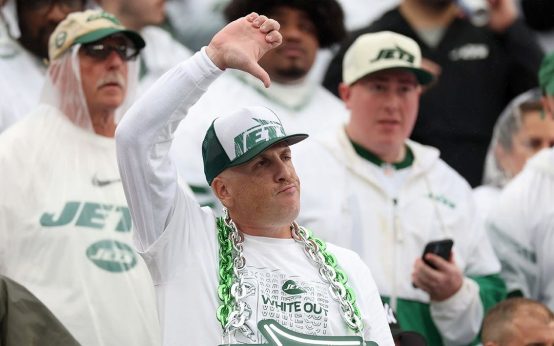 New York Jets Fall to Green Bay Packers After Fourth-Quarter Collapse